Beijing Birding:
One Day Excursion
Beijing Birding Tour: Individualized short excursion for Birdlife Around Beijing
With over 520 bird species recorded, Beijing is one of the world’s most rewarding major cities for birdwatching. Within a two-hour drive of the city center, you can explore an extraordinary diversity of habitats, including forested mountains, high alpines, wetlands, coastal marshes, intertidal mudflats, grasslands, and urban parks. These varied landscapes offer exceptional opportunities to discover the rich birdlife and wildlife of northern China.
Whether you are hoping to encounter regional endemic species, search for elusive target birds or rare vagrants, explore renowned birding hotspots, or capture unforgettable wildlife photographs, we are here to help make your birding experience truly memorable! As a professional birdwatching guiding team based in Beijing, we are excited to offer what this amazing city can offer in seeing the unique combination of rich natural history and historical cultural resources.
We offer a variety of guided day tours and short excursions departing from and returning to Beijing, tailored to different interests and birding goals. Multiple tours can also be combined into a customized itinerary to suit your schedule, target species, and photography preferences.
Day Trip Options:
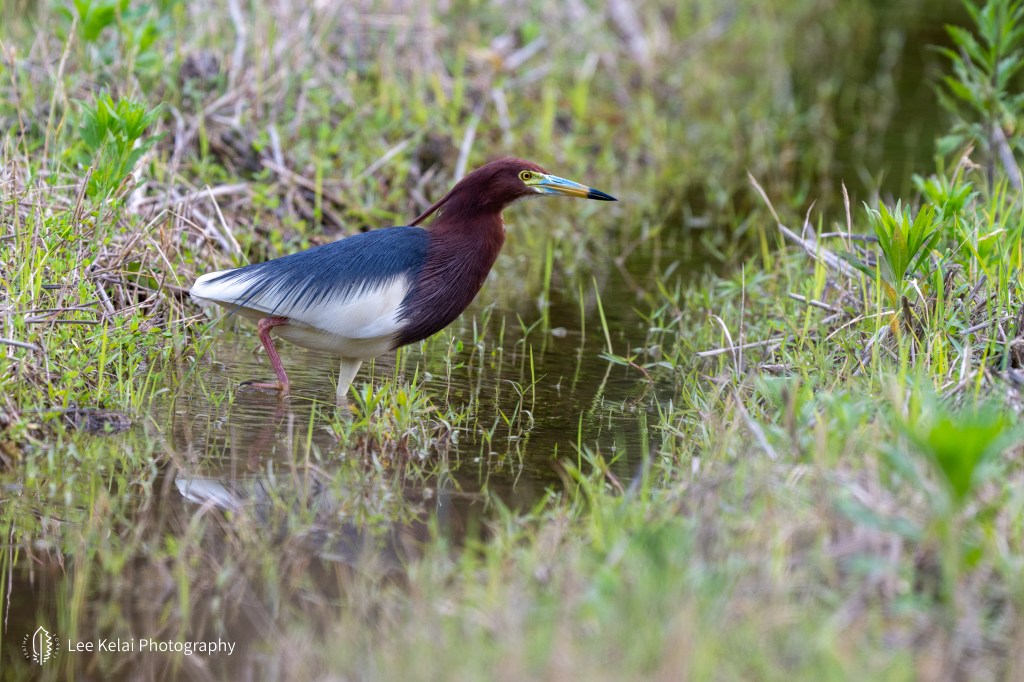
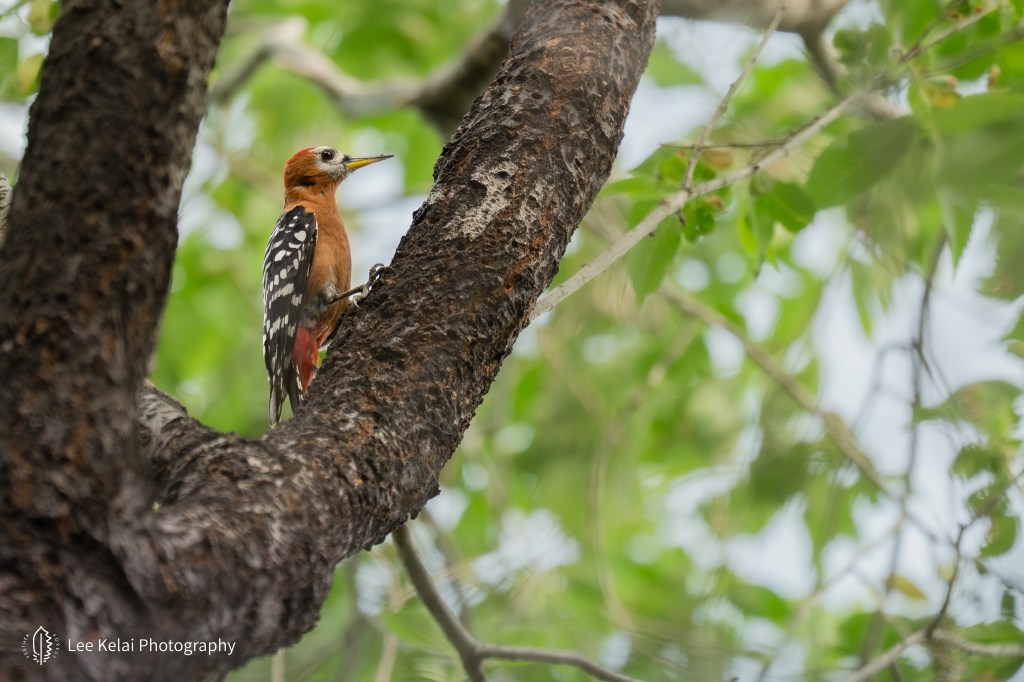
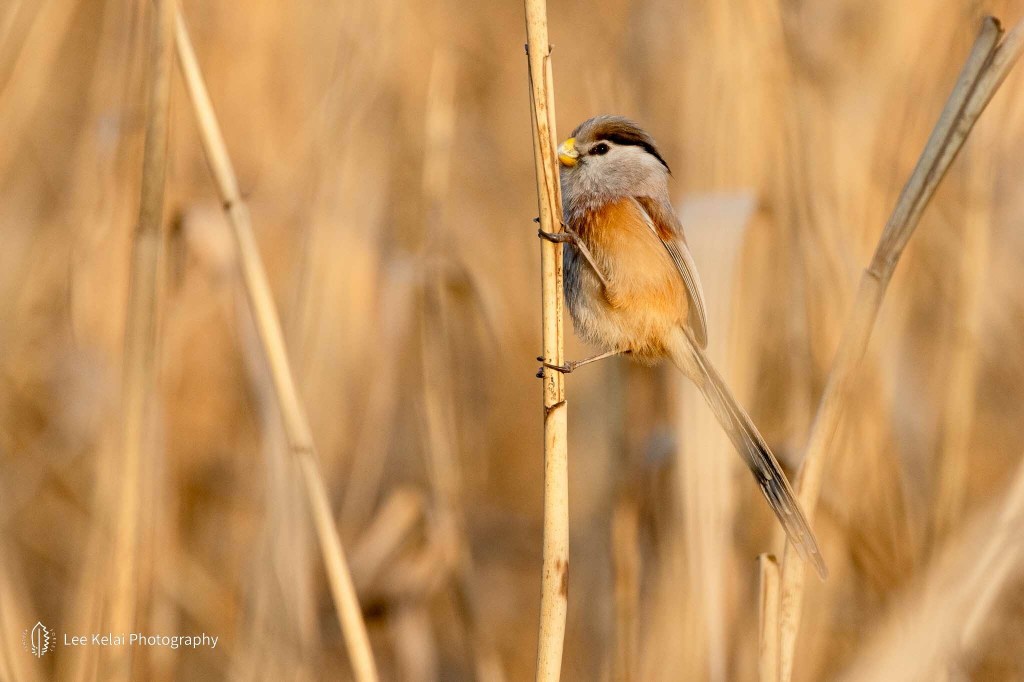
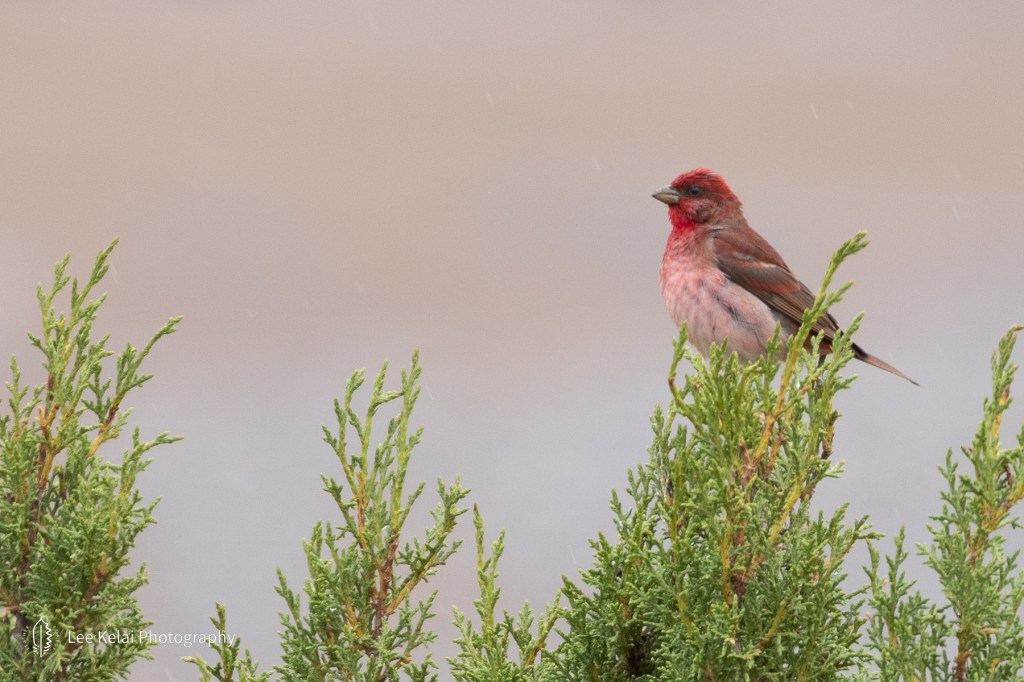
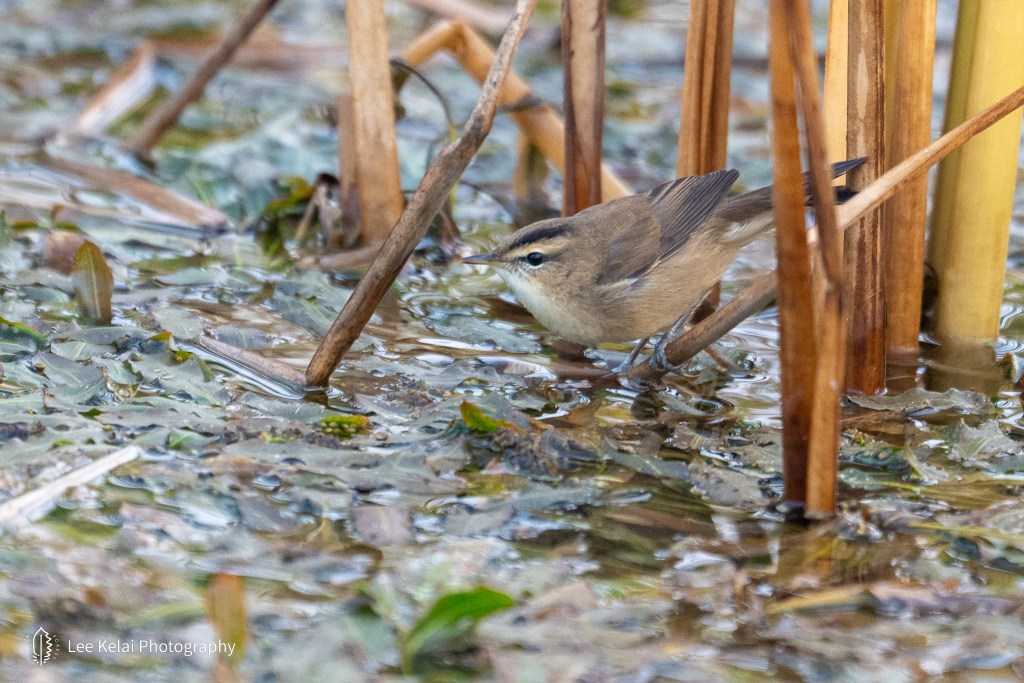
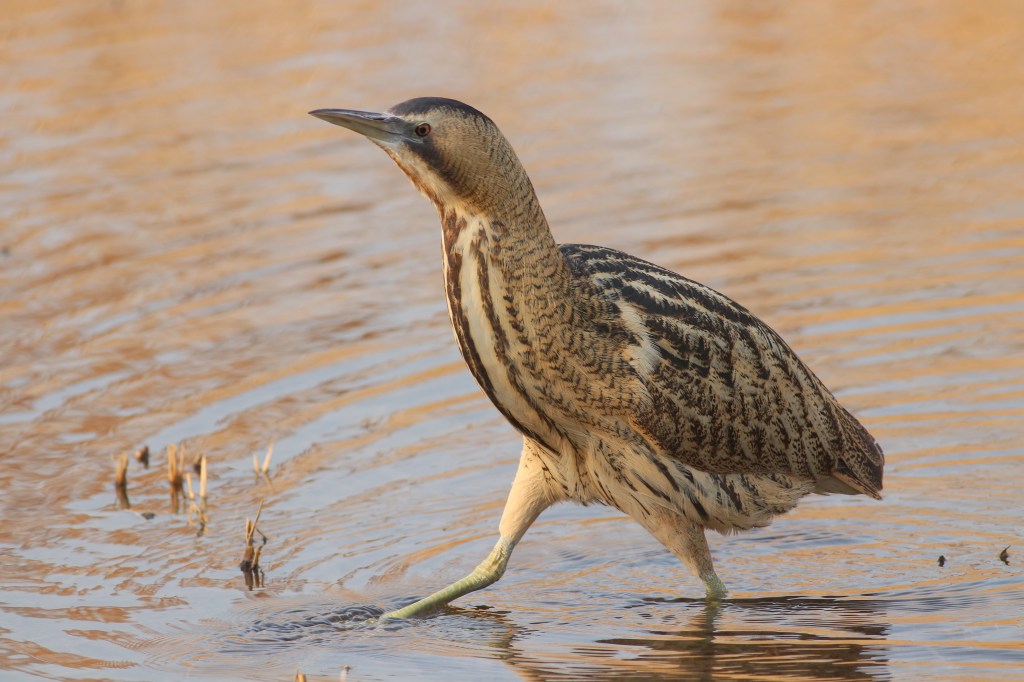
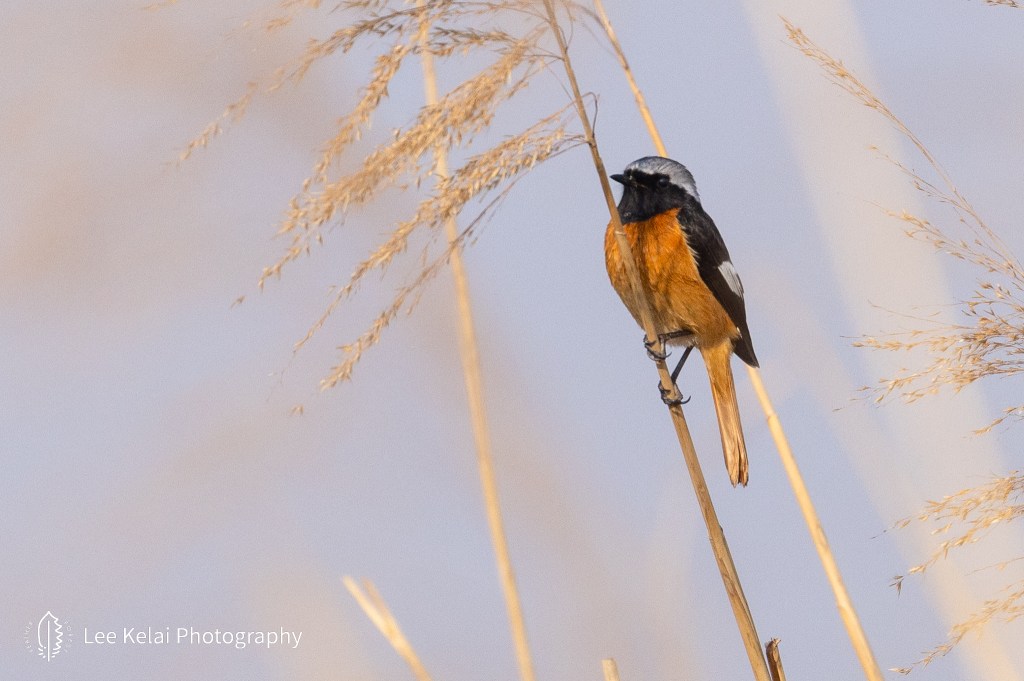
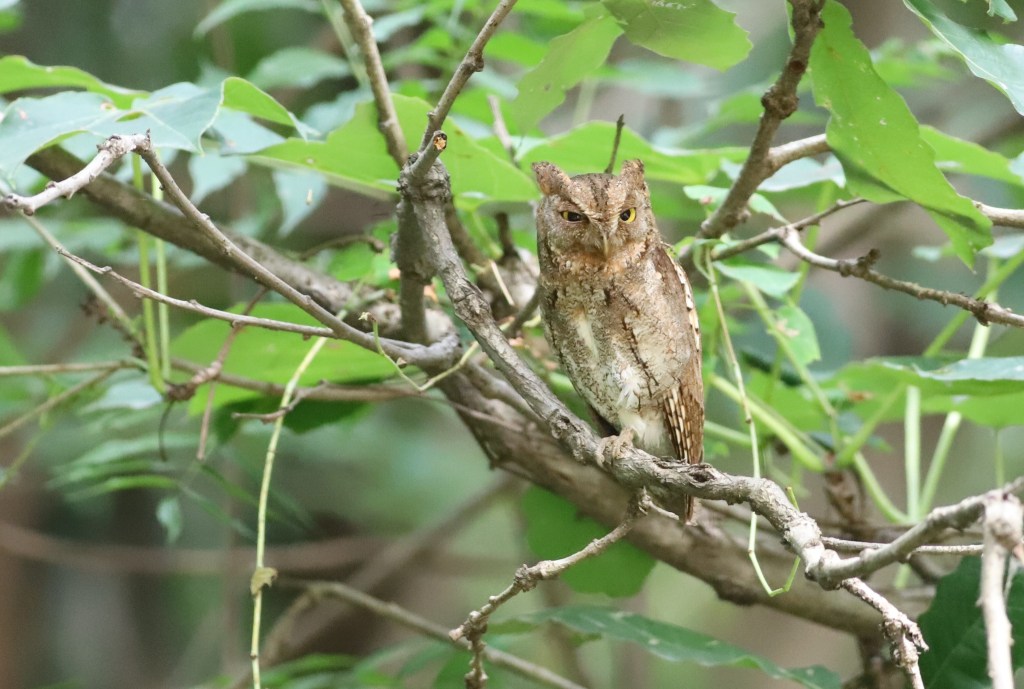
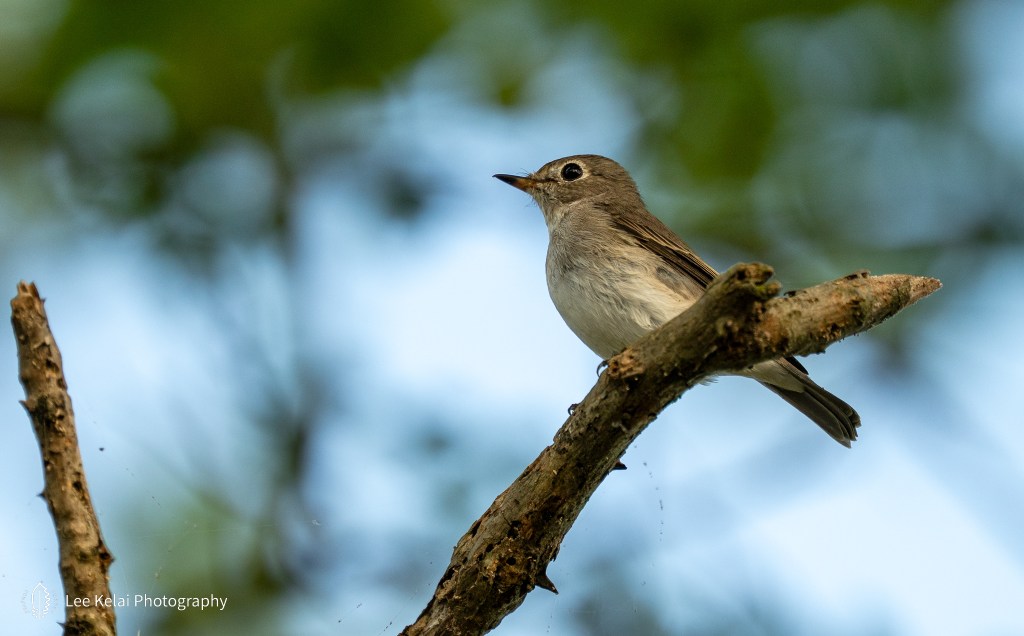
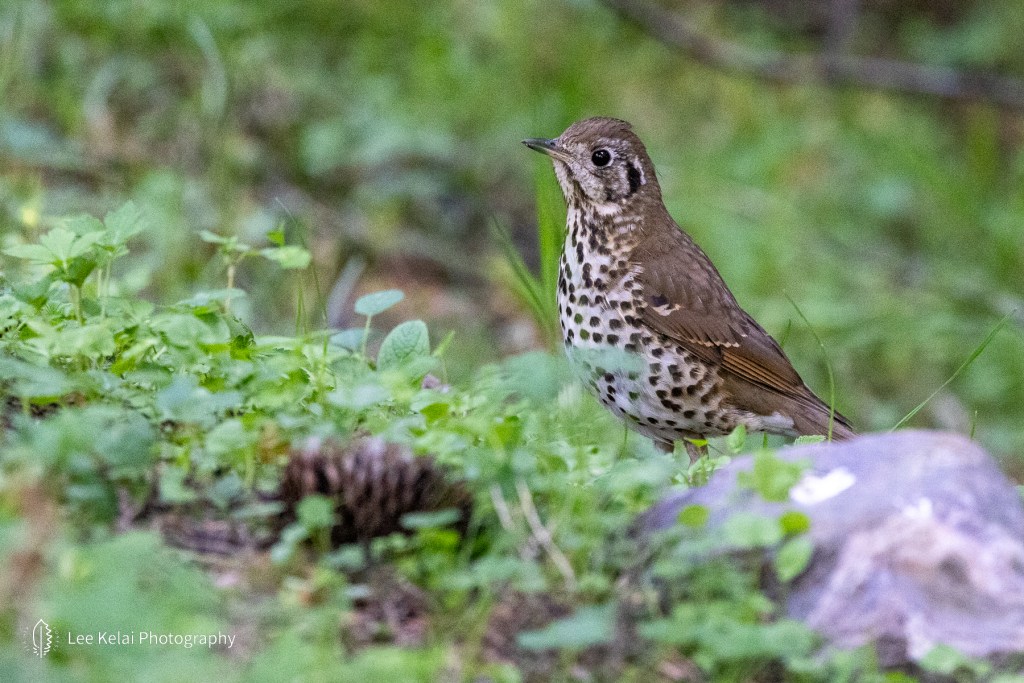
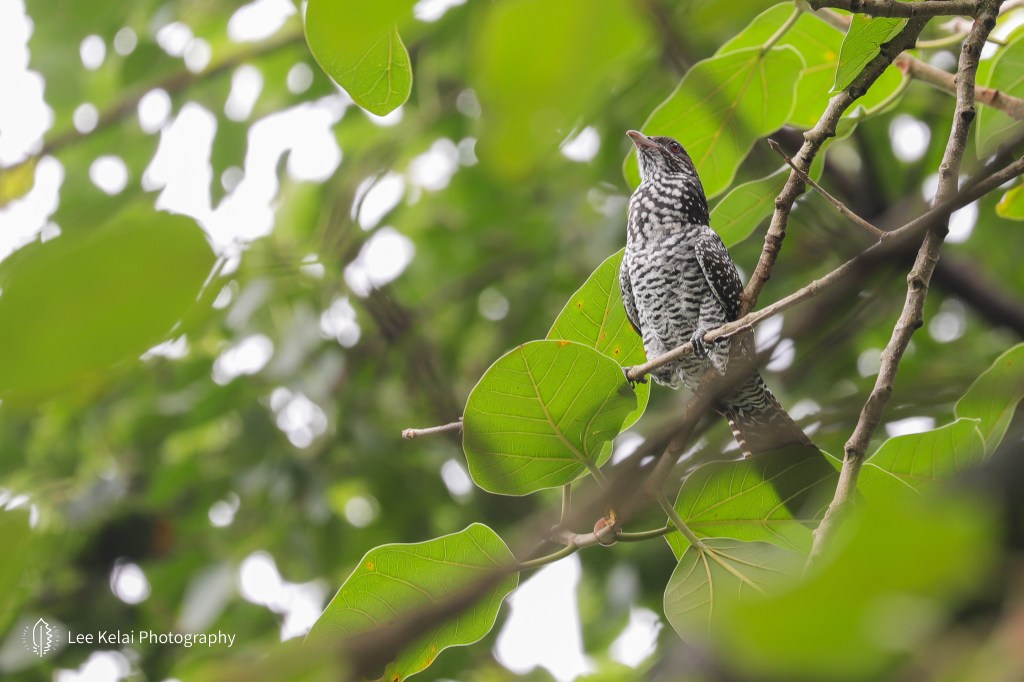
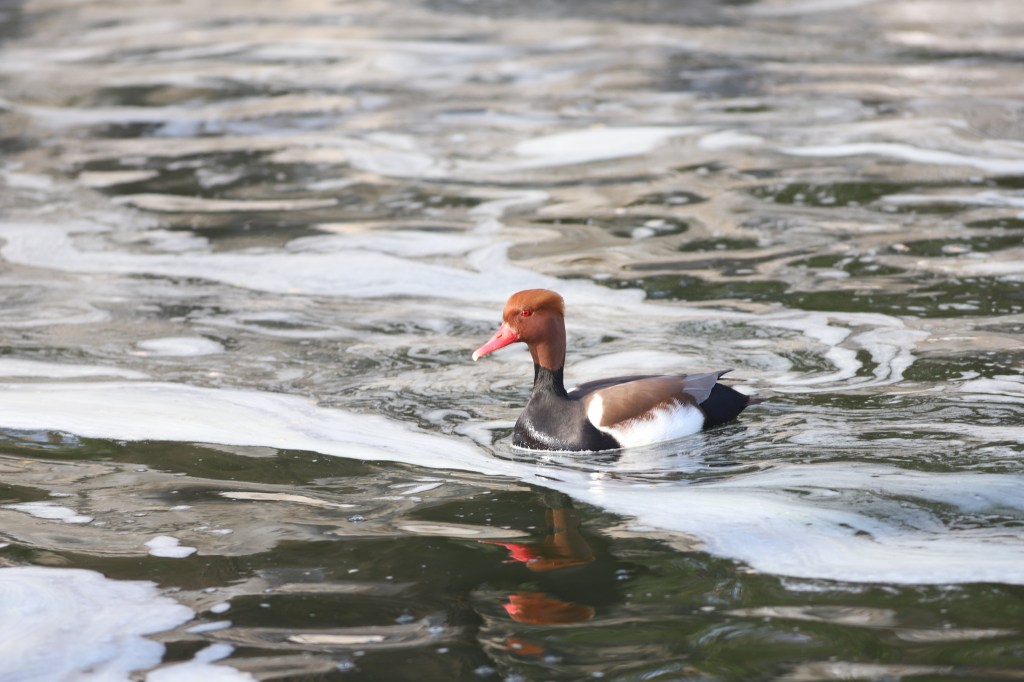
Option 1: City Center Sanctuaries – Discovering Beijing’s Urban Birds (Click for itinerary)
Day Tour | Best Seasons: Mar-May and Sep-Nov (migrants), Nov-Feb (wintering waterfowl and songbirds)
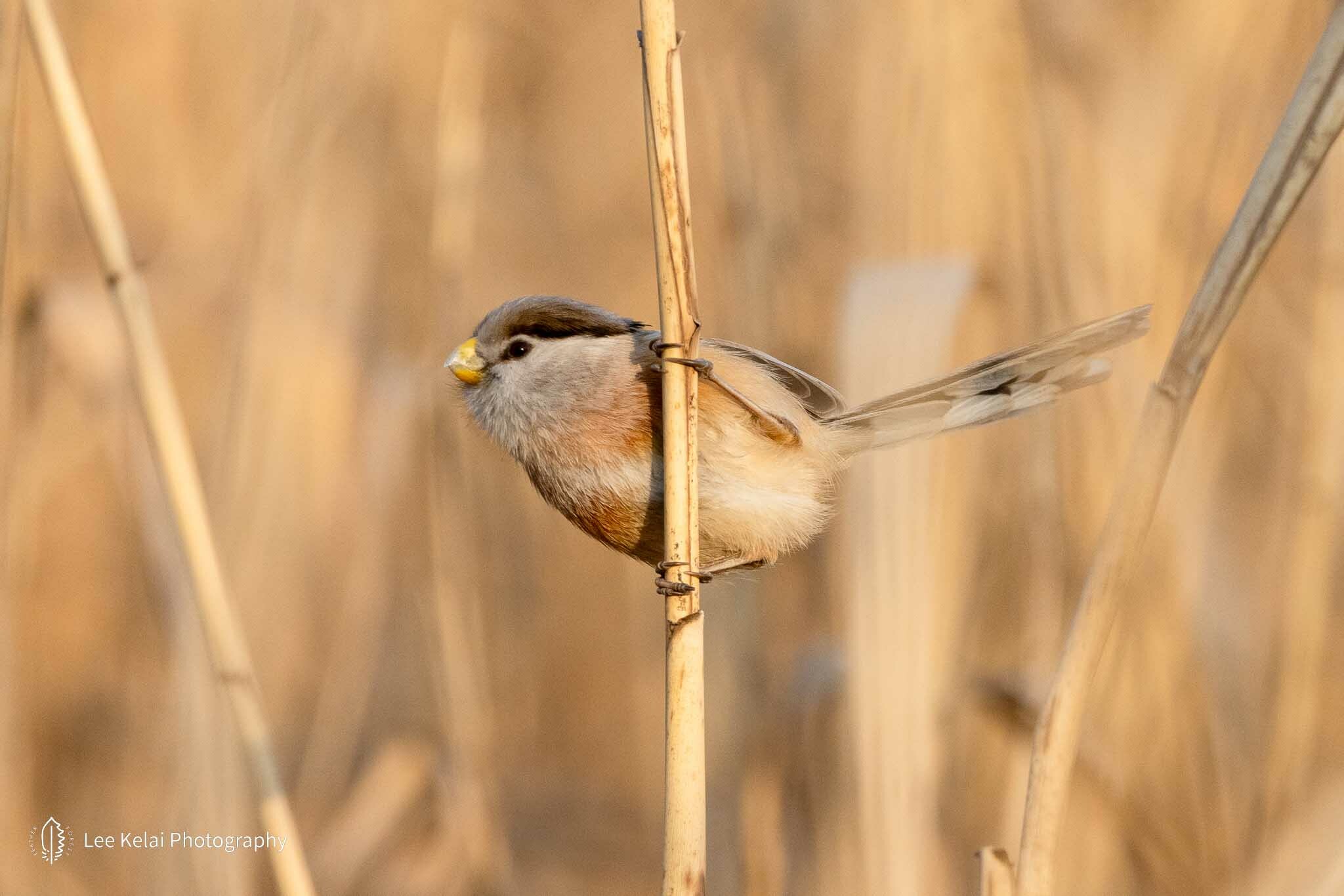
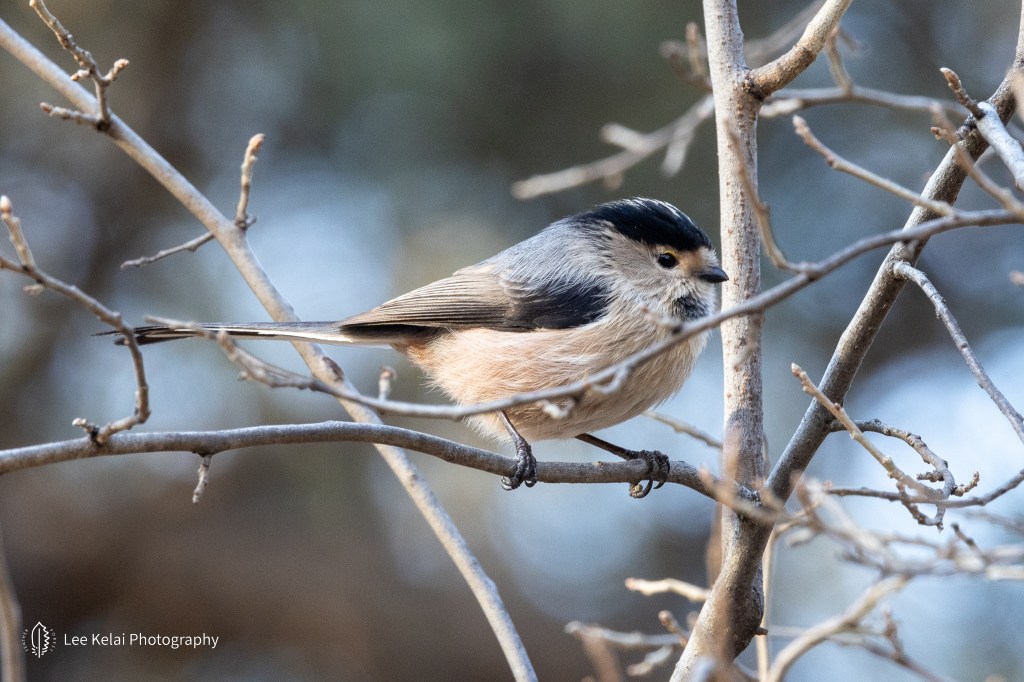
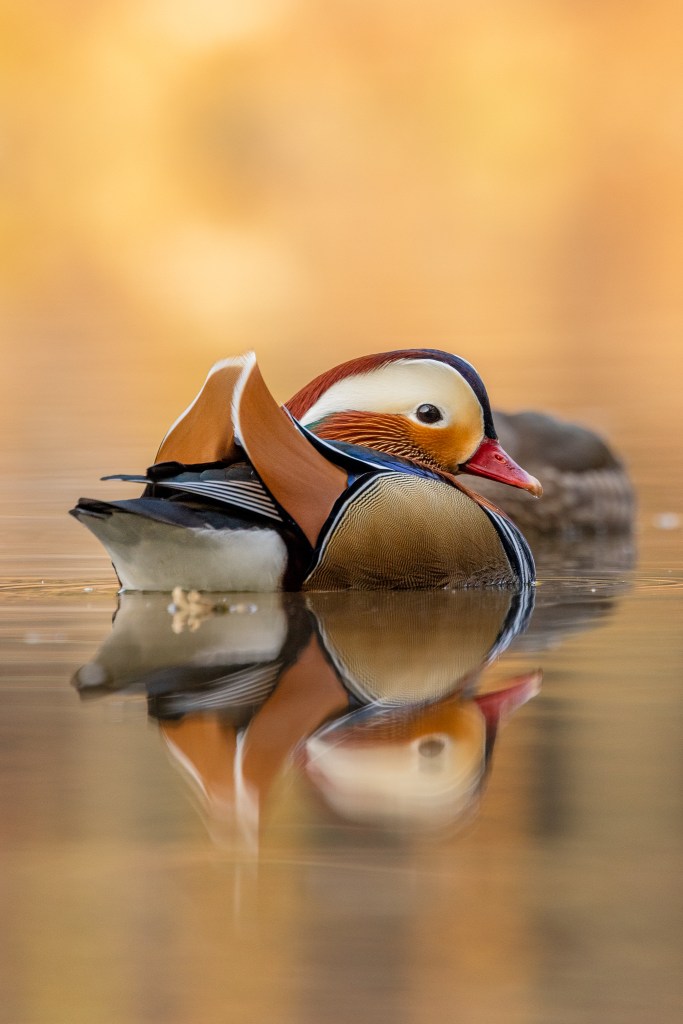
Target species: Reed Parrotbill, Silver-throated Tit, Mandarin Duck, Naumann’s Thrush, Eurasian Bittern, and diverse spring and autumn migrants.
Amid the bustling metropolis of Beijing, an impressive network of urban parks, reservoirs, and protected green spaces provides valuable habitats for a remarkable diversity of birds. These easily accessible birding hotspots offer excellent opportunities to observe resident species, seasonal migrants, and winter visitors without venturing far from the city center.
Shahe Reservoir and Surrounding Wetlands
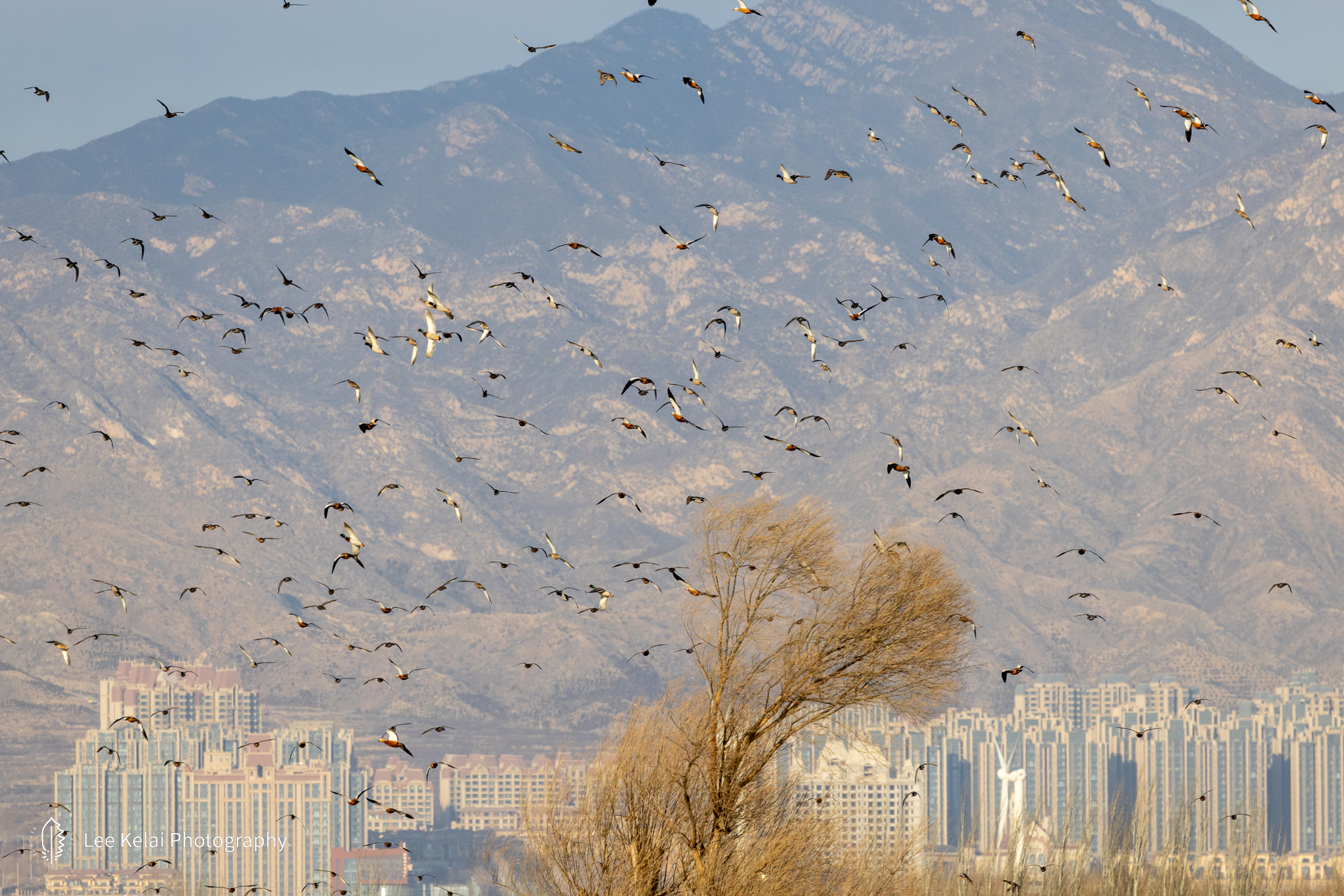
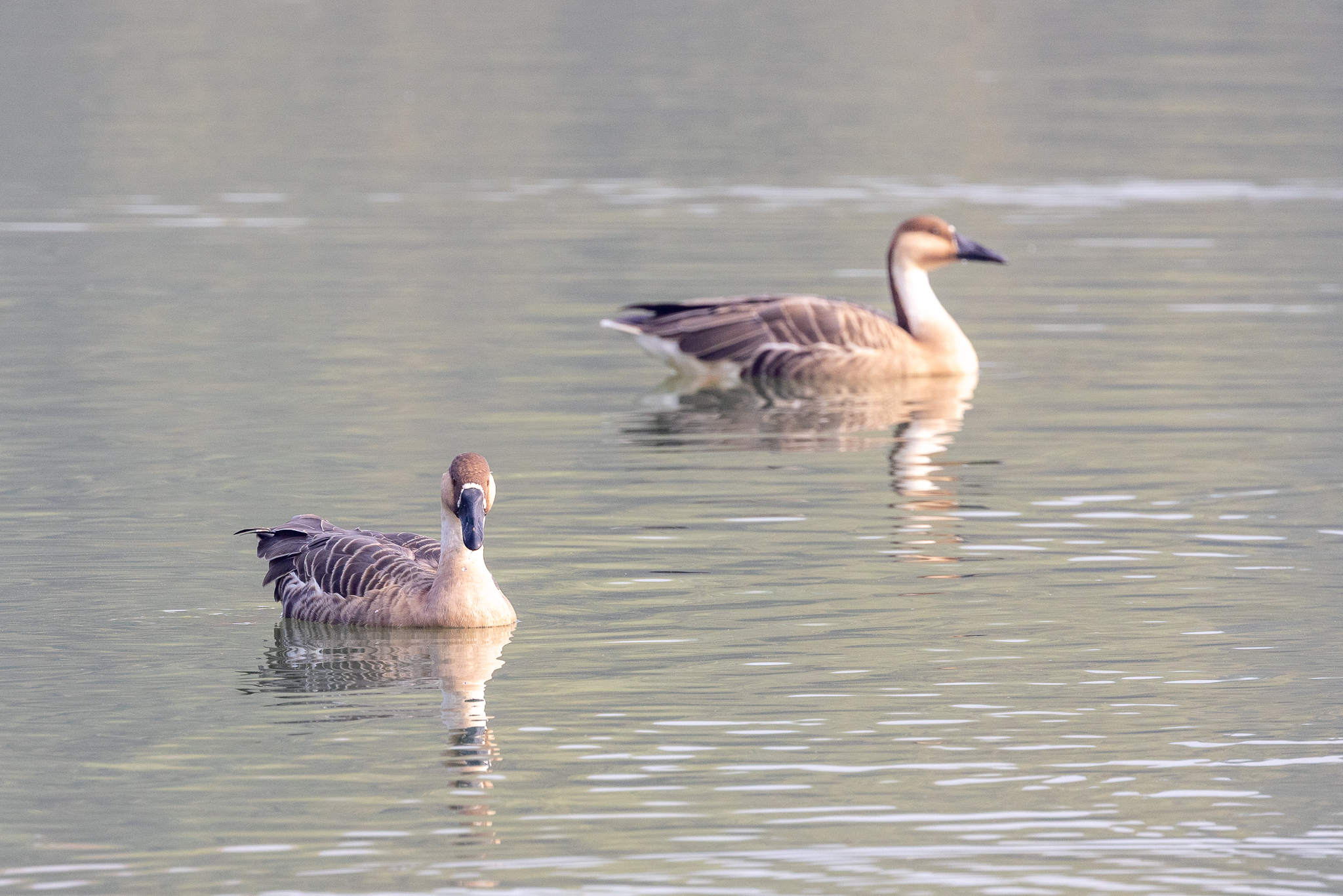
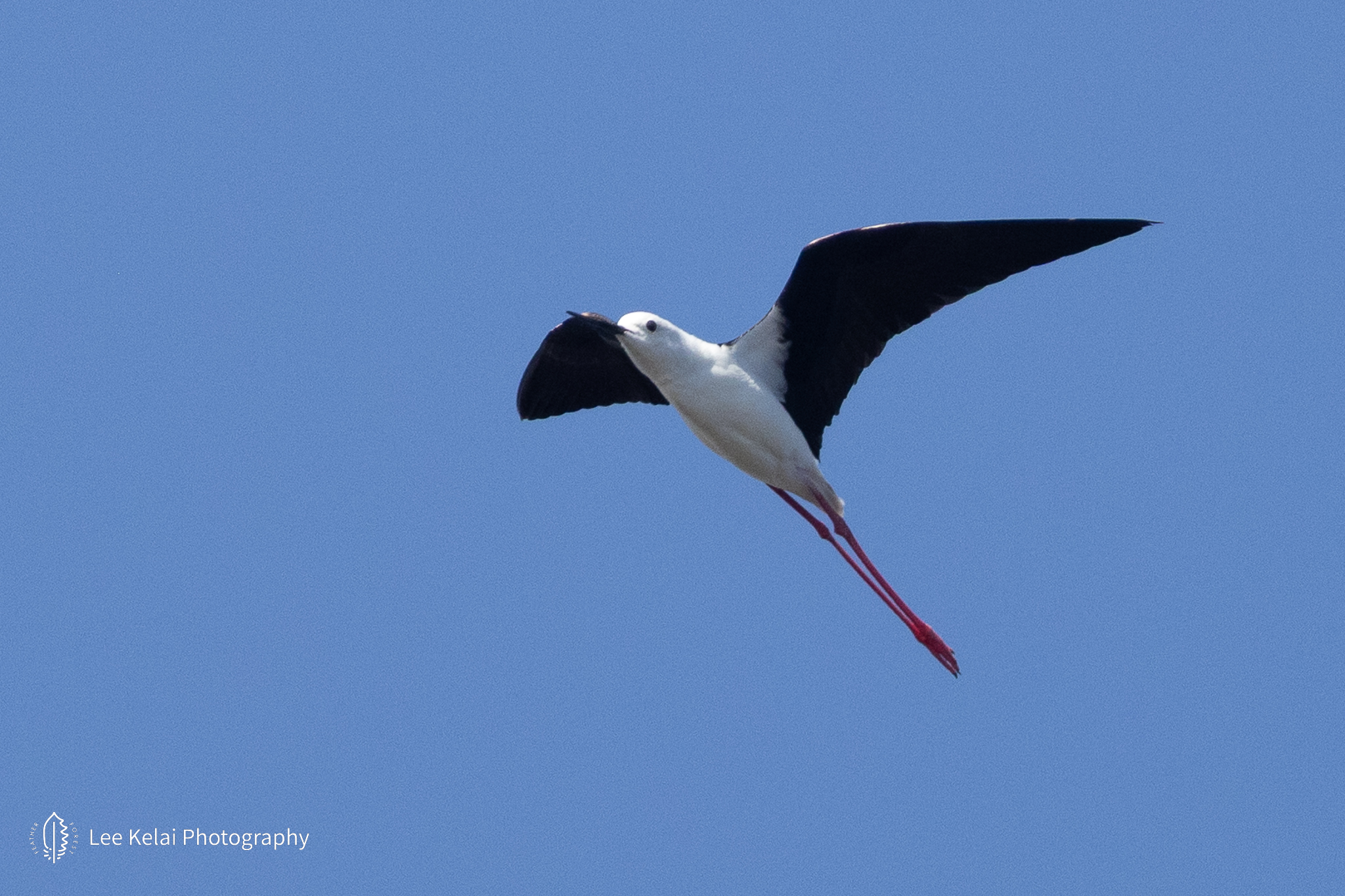
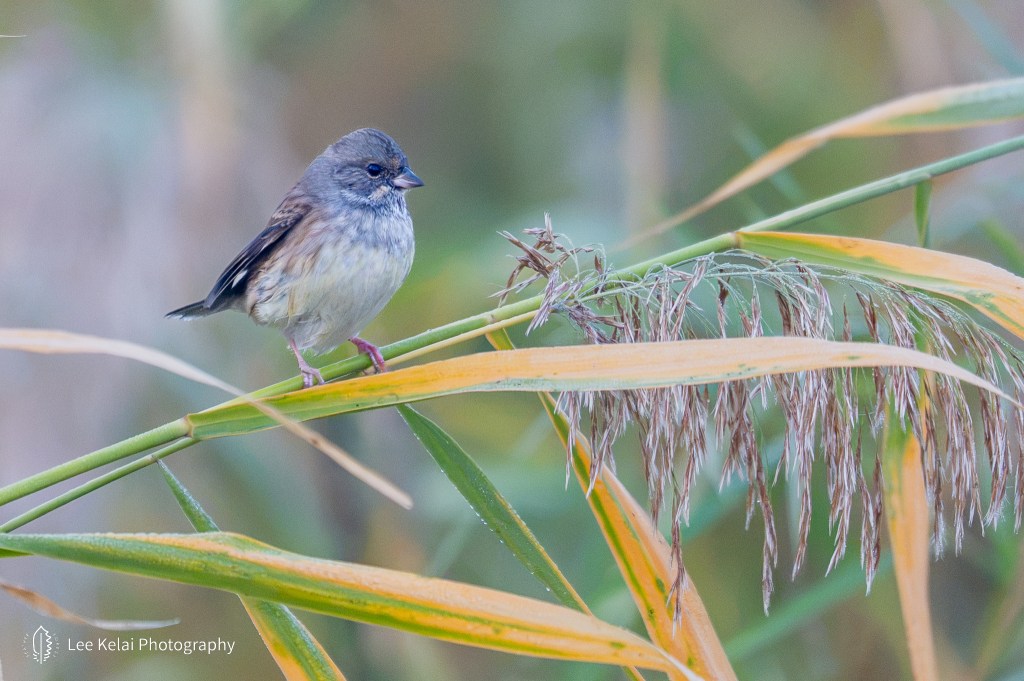
Shahe Reservoir is one of Beijing’s premier birding hotspots, featuring extensive reedbeds, open water, and surrounding woodlands that attract an exceptional variety of waterbirds and passerines. Here, we will search for waterfowl such as Smew, Swan Goose, Whooper Swan, Falcated Duck, and Ruddy Shelduck. The surrounding marshes and vegetation also provide excellent opportunities to encounter Pallas’s Reed Bunting, Buff-bellied Pipit, Oriental Reed Warbler, Chestnut Bunting, and Thick-billed Warbler. Along the shoreline and shallow wetlands, we may find shorebirds such as Black-winged Stilt, Pied Avocet, Common Snipe, and Red-necked Stint. During winter, the reservoir becomes an important gathering place for large flocks of ducks, including Eastern Spot-billed Duck and Eurasian Teal.
Temple of Heaven
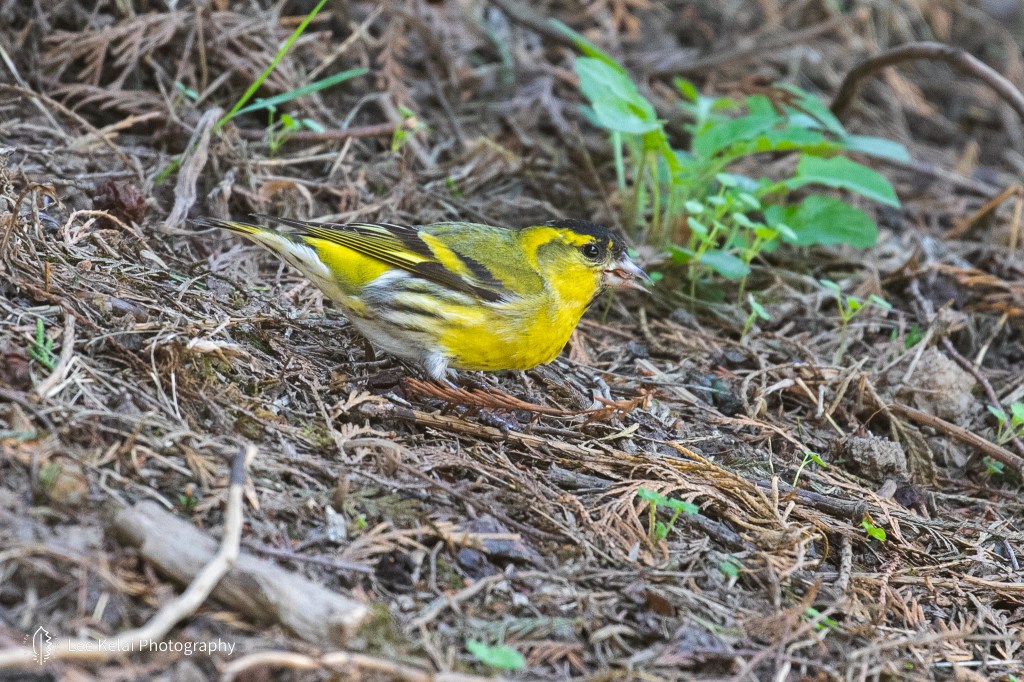
Located in southern Beijing, the historic Temple of Heaven is surrounded by approximately 445 acres of mature woodland, creating an unexpected haven for birds in the heart of the city. During spring and autumn migration, its ancient trees and sheltered habitats attract a variety of sought-after species, including Rufous-bellied Woodpecker, Chestnut-flanked White-eye, Siberian Thrush, and Tristram’s Bunting. In winter, the park offers excellent opportunities to observe Brambling, Naumann’s Thrush, Eurasian Siskin, and Hawfinch against the beautiful backdrop of one of Beijing’s most iconic historical landmarks.
Olympic Forest Park
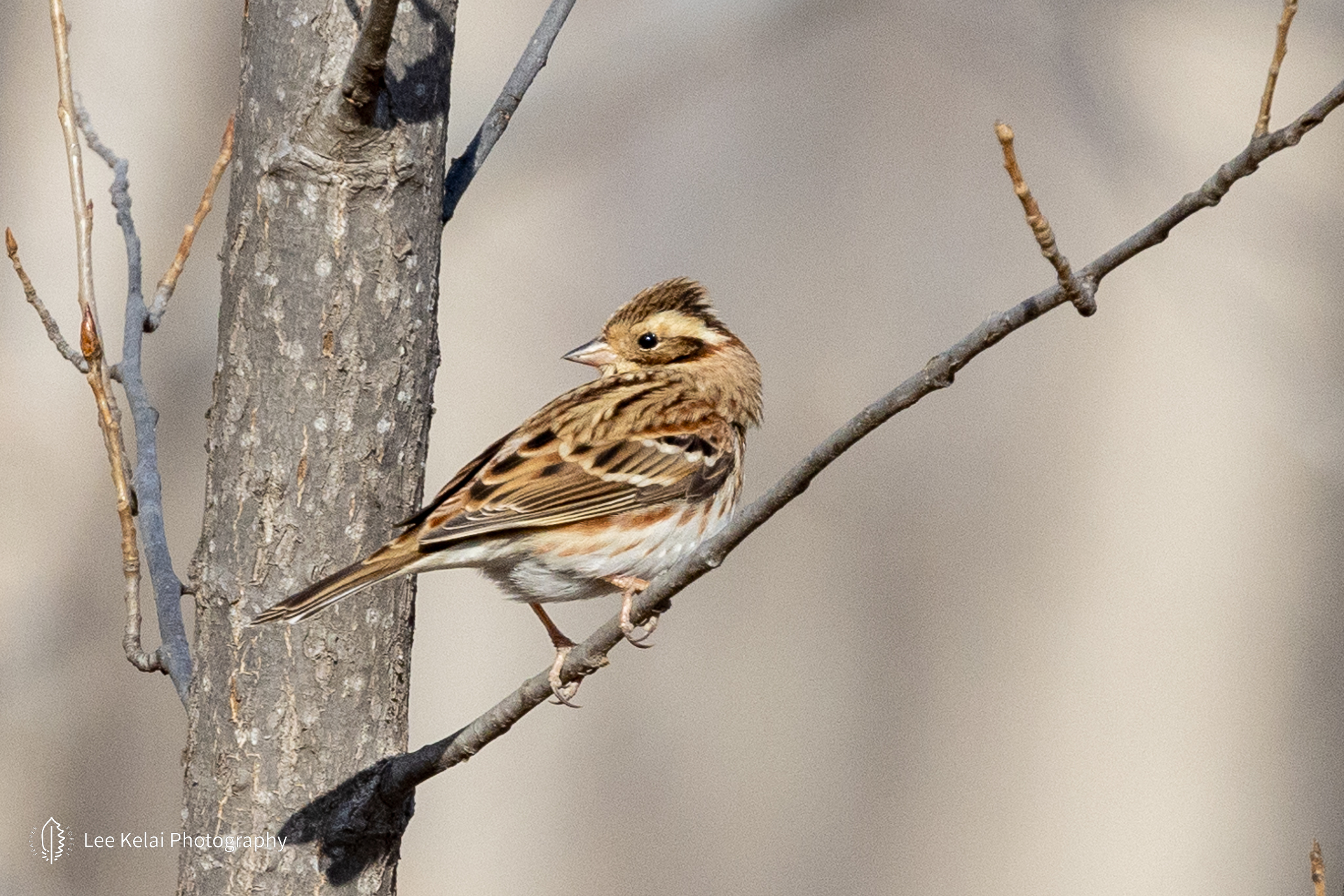
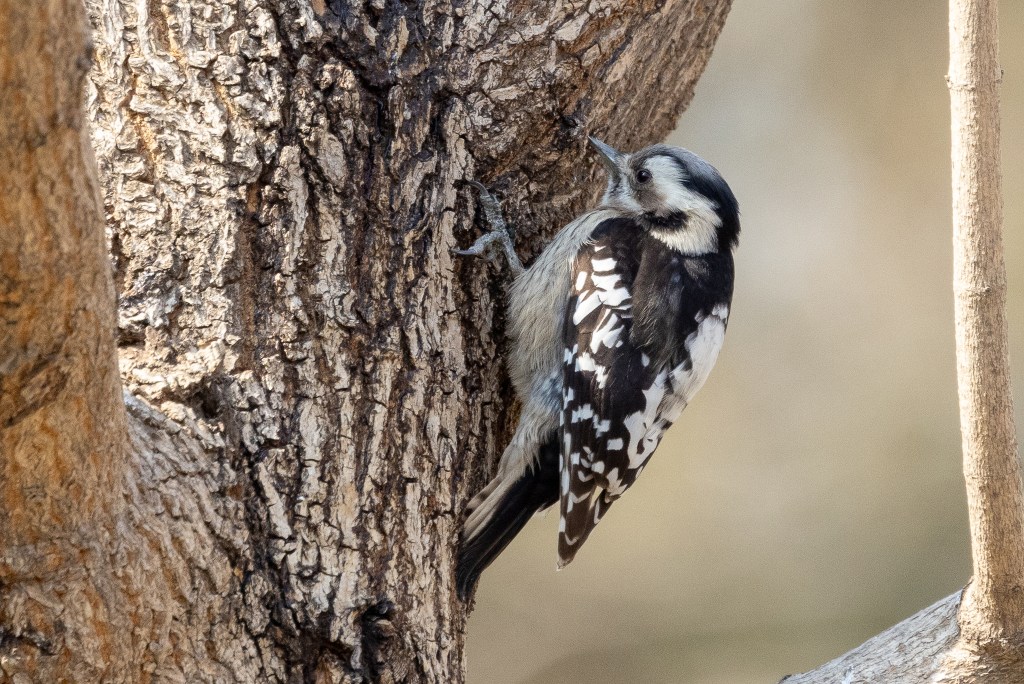
Situated in northern Beijing, Olympic Forest Park combines woodlands, lakes, grasslands, and reed-fringed wetlands, making it another outstanding destination for urban birdwatching. During spring and autumn migration, the park attracts a fascinating variety of passage migrants, while its sheltered habitats also support resident and wintering specialties. Among our target species are Reed Parrotbill, Eurasian Bittern, Yellow Bittern, Water Pipit, Mandarin Duck, Grey-capped Pygmy Woodpecker, Chinese Blackbird, Black-faced Bunting, Rustic Bunting, Yellow-bellied Tit, and Blunt-winged Warbler.
Other Urban Birding Hotspots
Beyond these major destinations, Beijing offers numerous smaller parks that can be especially rewarding for birders seeking particular species. Yuyuantan Park, Beihai Park, and Chaoyang Park are excellent options for shorter excursions, with each offering distinct habitats and seasonal opportunities to encounter birds that may be difficult to find elsewhere in the city. These locations can be incorporated into a customized half-day or full-day itinerary depending on your target species and interests.
Suitable Season: Year-round. Spring migration (March–May) and autumn migration (late August–October) offer the greatest diversity of migratory species, while the winter months provide excellent opportunities to observe wintering waterfowl, thrushes, finches, and other cold-season visitors. A typical full-day tour allows us to explore two of the urban birding hotspots listed above.
Option 2: Birding Yanqing Wetlands – Lakes, Steppes & Skies (Click for itinerary)
Day Tour (1.5 hours to city) | Best Seasons: Mar-May and Sep-Nov (Migrants), Nov-Feb (wintering cranes, bustards, and waterfowl).
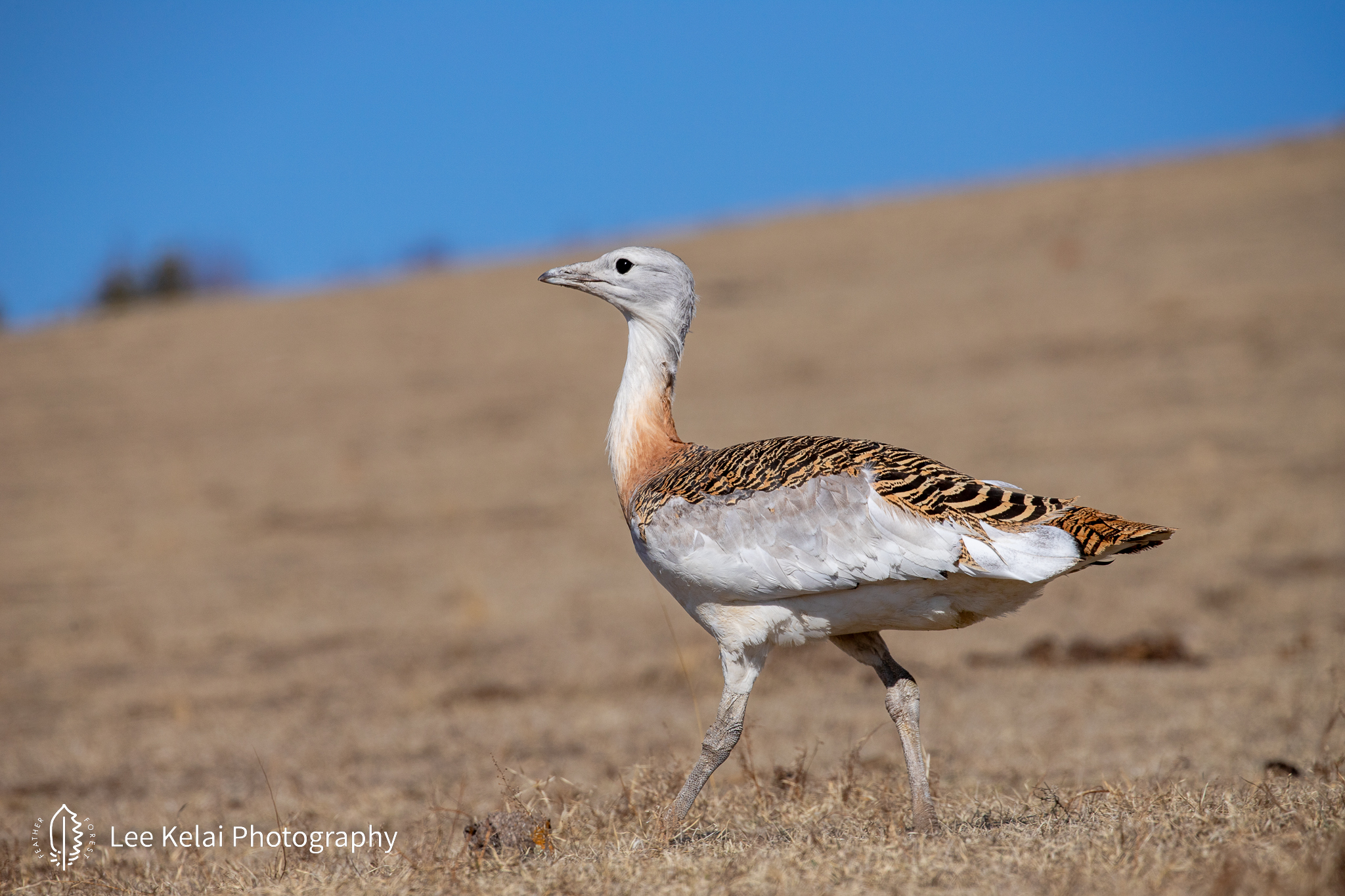
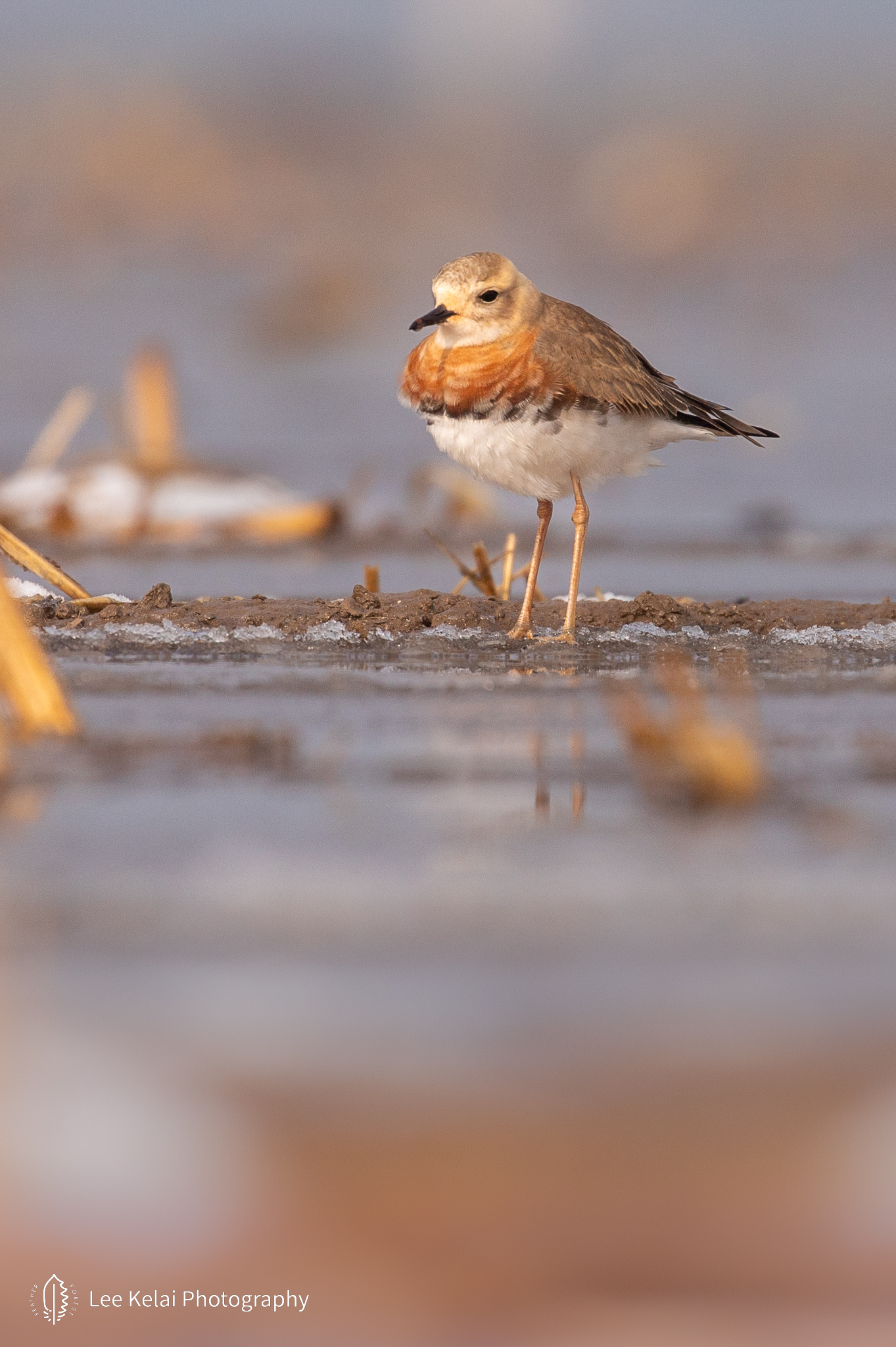
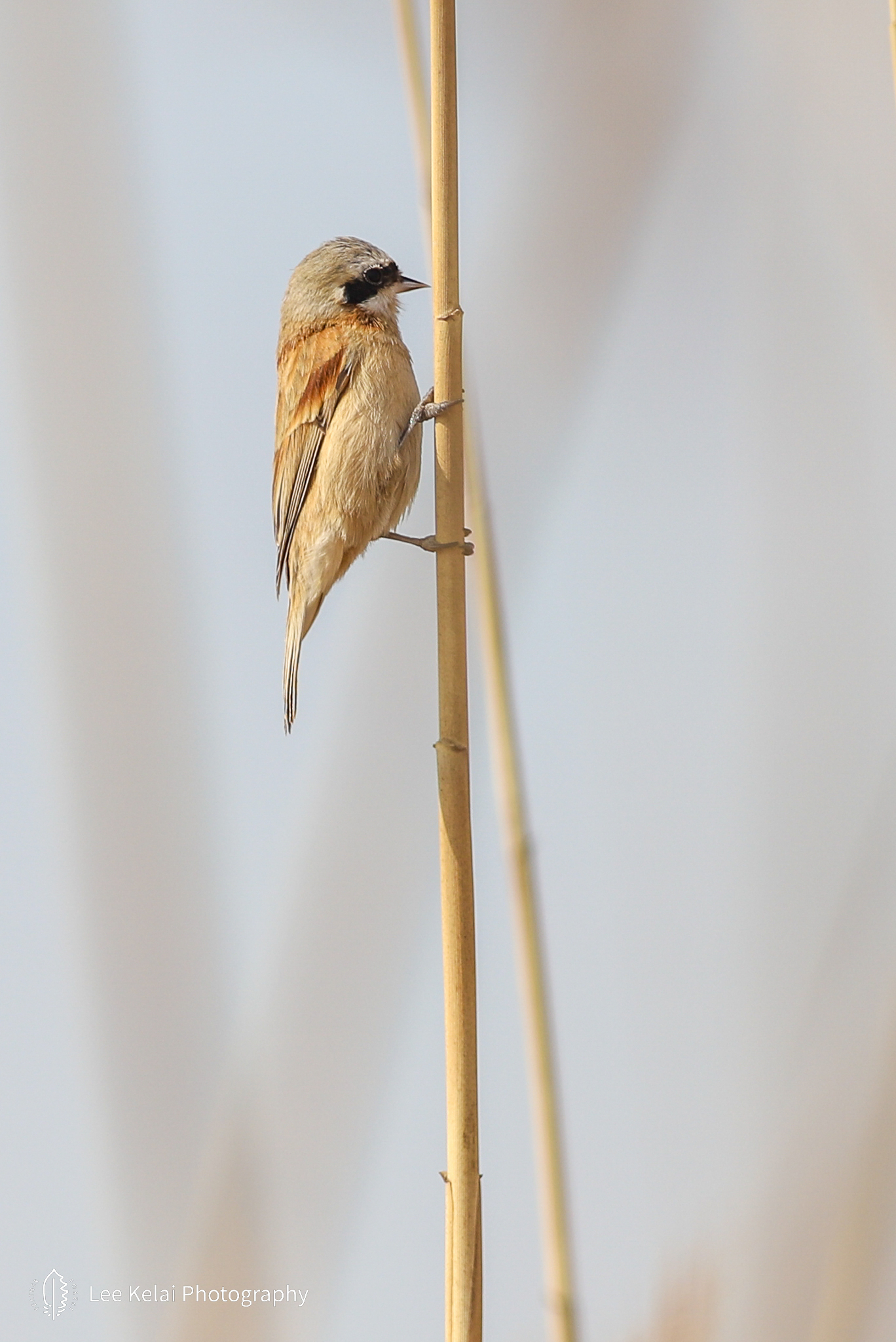
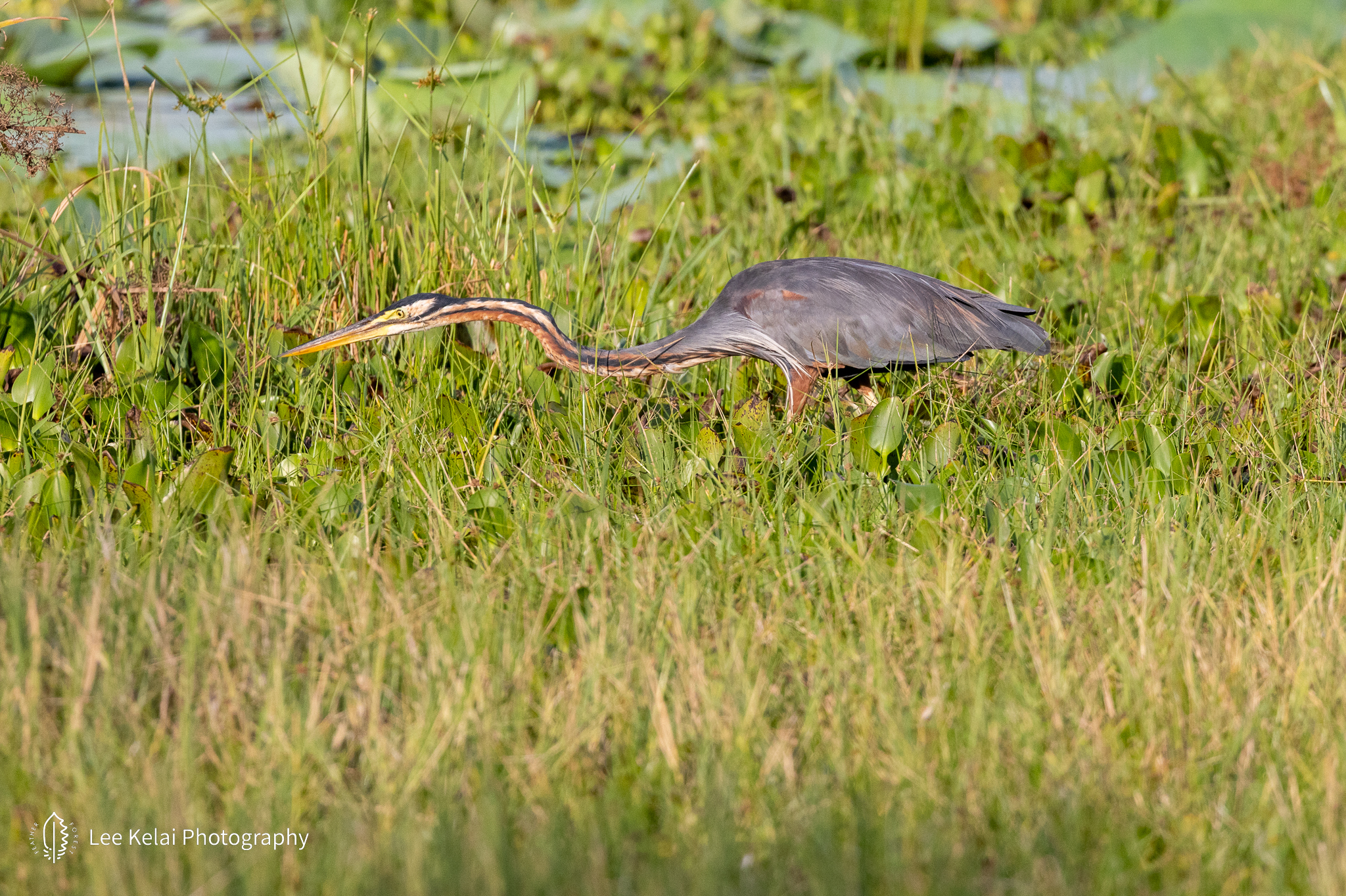
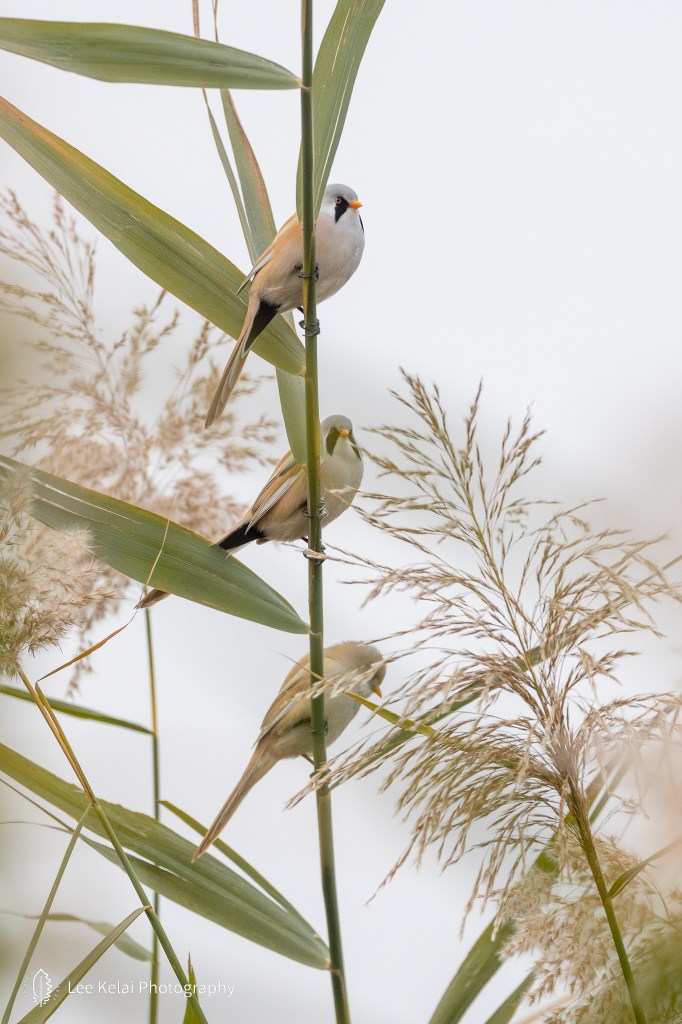
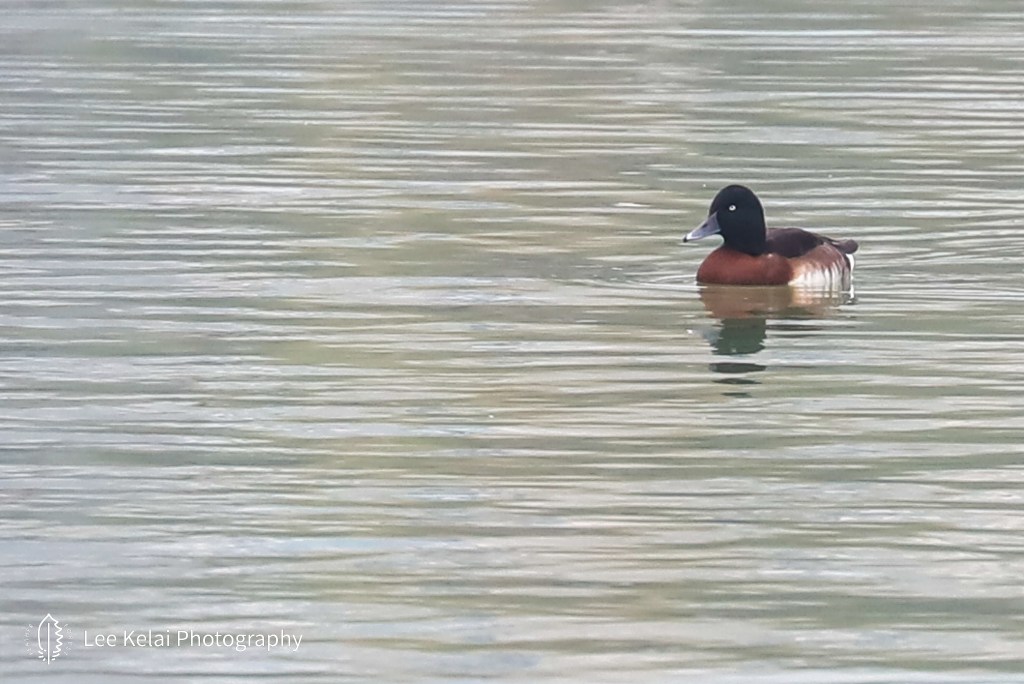
Target species: Cranes, Great Bustard, Baer’s Pochard, Bearded Reedling, Oriental Plover, Chinese Penduline Tit, Hen Harrier, Ruff, Relict Gull, Red-crested Pochard, Rosy Pipit, Asian Short-toed Lark, Daurian Jackdaw, Pine Bunting, Ochre-rumped Bunting.
Located approximately 90 minutes northwest of central Beijing, Yanqing District offers a remarkable combination of wetlands, grasslands, woodlands, and agricultural fields, supporting an exceptional diversity of resident and migratory birds. Our journey begins with a scenic drive through Badaling Canyon, ascending approximately 500 meters into the expansive landscapes of the Yanqing Basin.
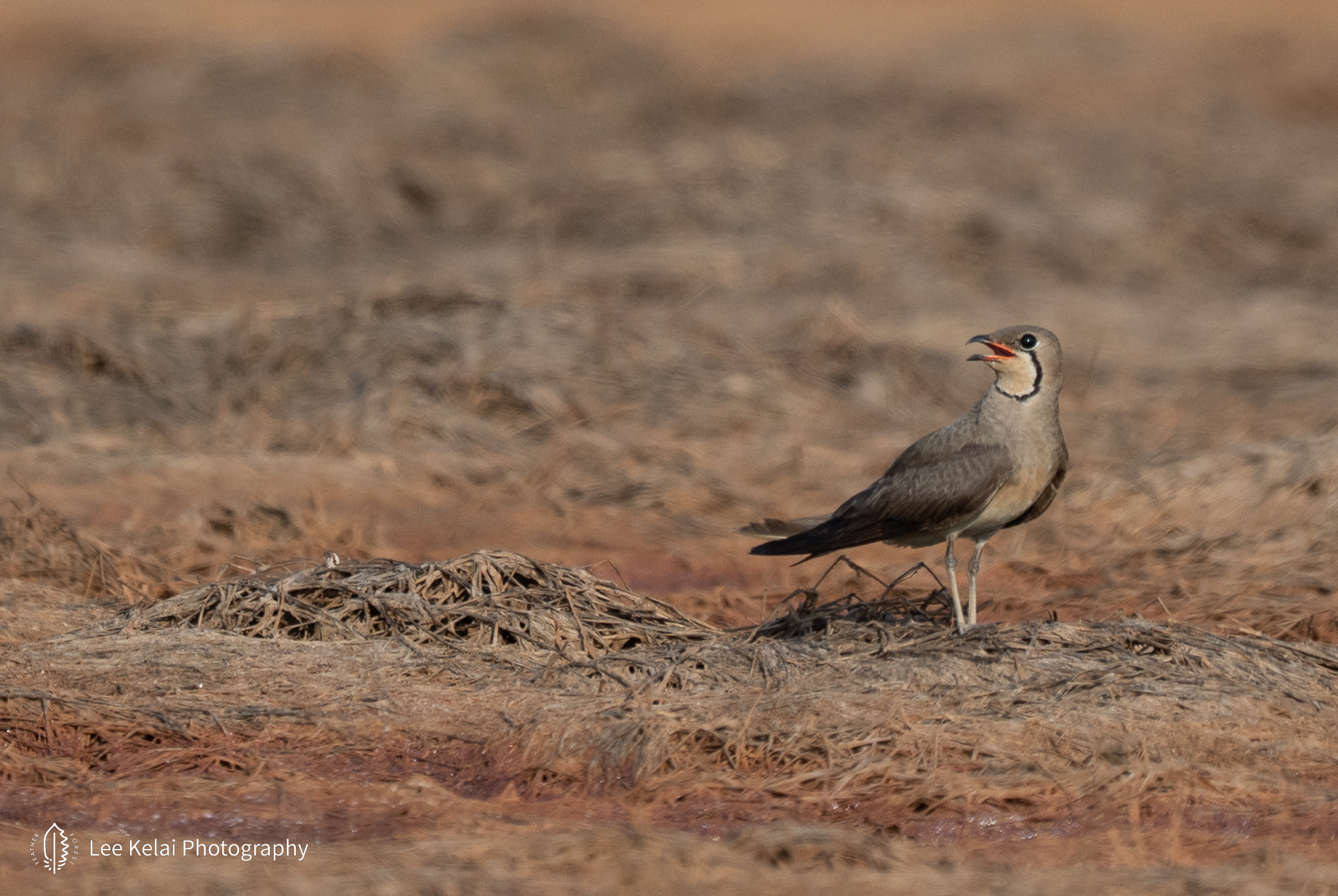
During spring and autumn, we will explore the marshes, grasslands, and shorelines surrounding Guanting Reservoir, one of the region’s most rewarding birding destinations. These habitats attract an impressive variety of migratory species, including many that are rarely encountered within Beijing’s urban areas. Among our target shorebirds and wetland species are Ruff, Siberian Sand-Plover, Relict Gull, Temminck’s Stint, Oriental Plover, Oriental Pratincole, and Curlew Sandpiper. The surrounding grasslands, reedbeds, and open countryside also offer opportunities to encounter Asian Short-toed Lark, Purple Heron, Hen Harrier, Chinese Penduline Tit, Bearded Reedling, Rosy Pipit, and Red-crested Pochard.
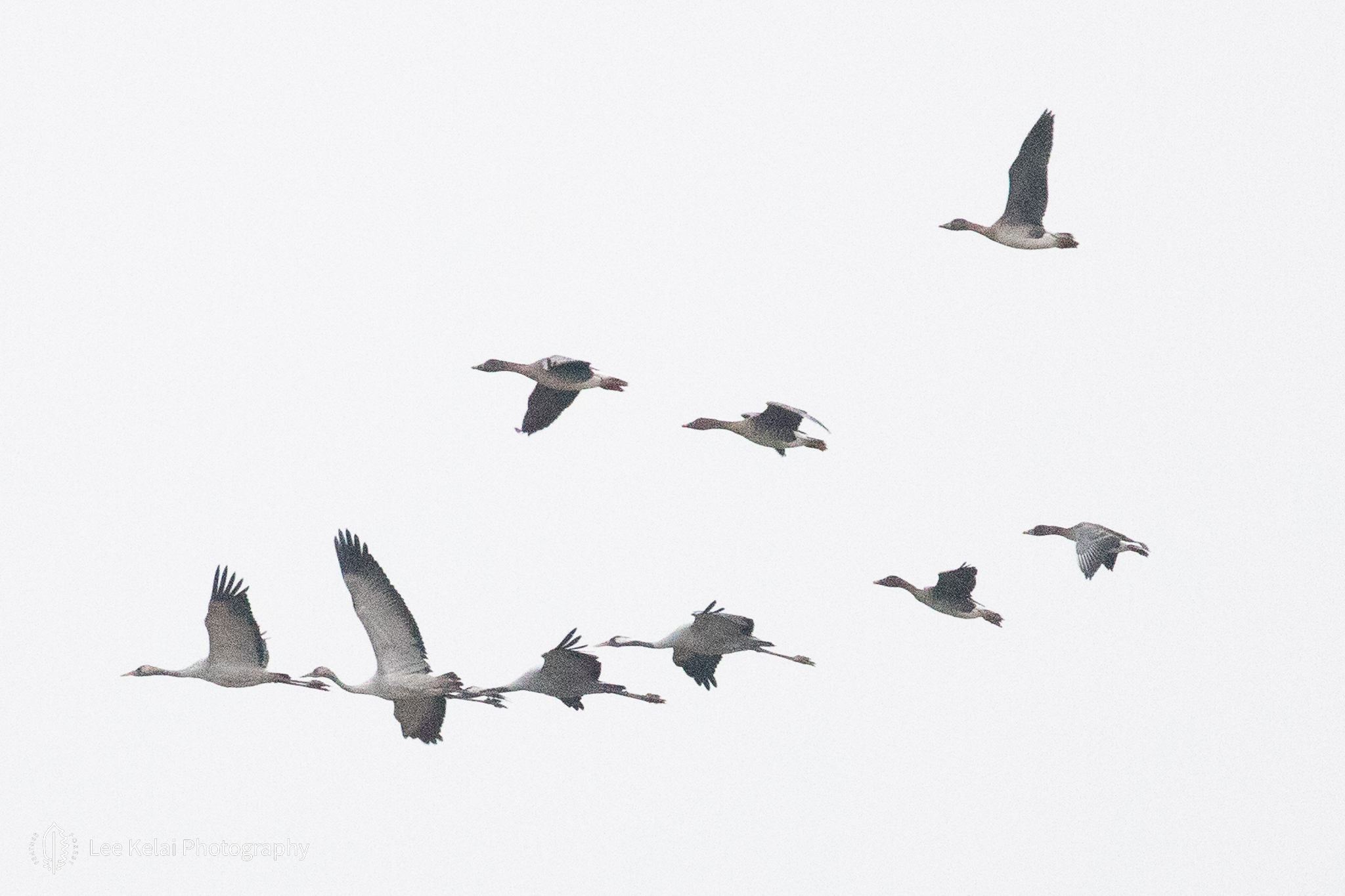
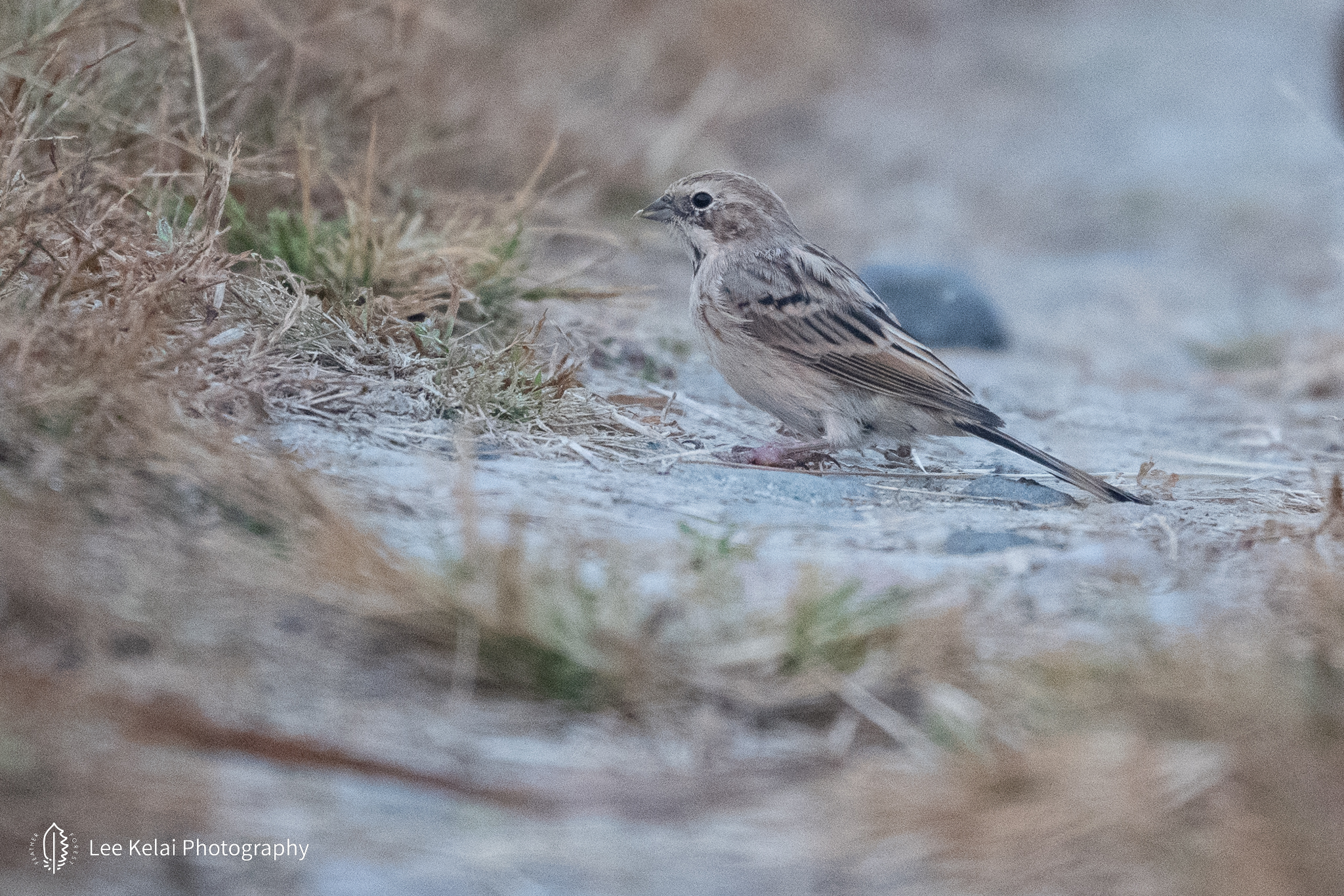
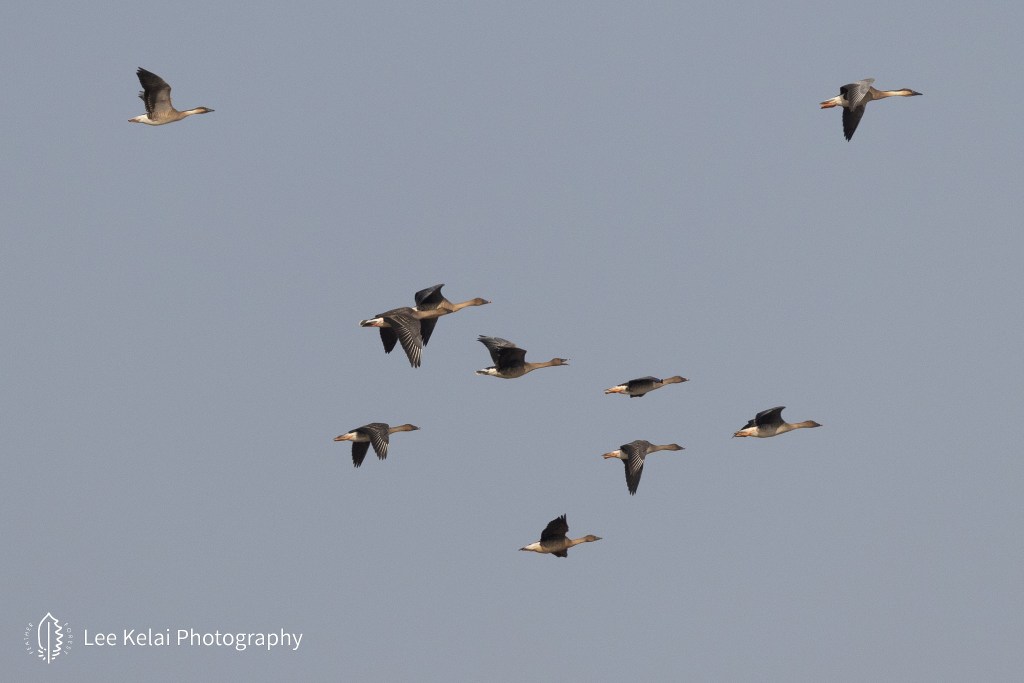
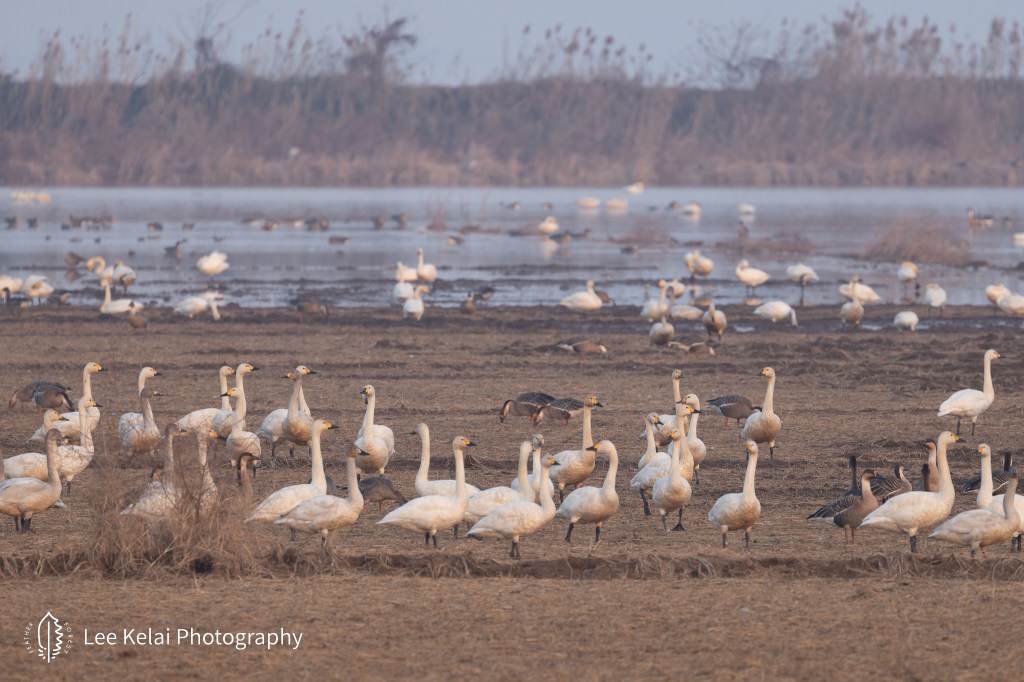
During winter, the grasslands and harvested agricultural fields surrounding Guanting Reservoir become important feeding grounds for large flocks of Common Cranes, creating spectacular opportunities to observe and photograph these magnificent birds. With some luck, we may also encounter rarer visitors such as Hooded Crane, White-naped Crane, or even Great Bustard. The reservoir and surrounding wetlands also attract wintering waterfowl, including Tundra Swan, Tundra Bean Goose, and Greater White-fronted Goose. Meanwhile, the nearby agricultural fields provide rich feeding grounds for large flocks of wintering passerines, including Lapland Longspur, Pine Bunting, Daurian Jackdaw, Pallas’s Bunting, and Ochre-rumped Bunting.
Whether searching for rare migrants during spring and autumn or watching impressive gatherings of cranes and wintering birds against the open landscapes, Yanqing offers a rewarding birding experience just beyond Beijing’s bustling urban center.
Suitable Season: Year-round. Spring (March–May) and autumn (August–October) are ideal for migratory shorebirds, waterfowl, raptors, and passerines. Winter (November–February) is particularly rewarding for observing cranes, geese, and wintering grassland specialties.
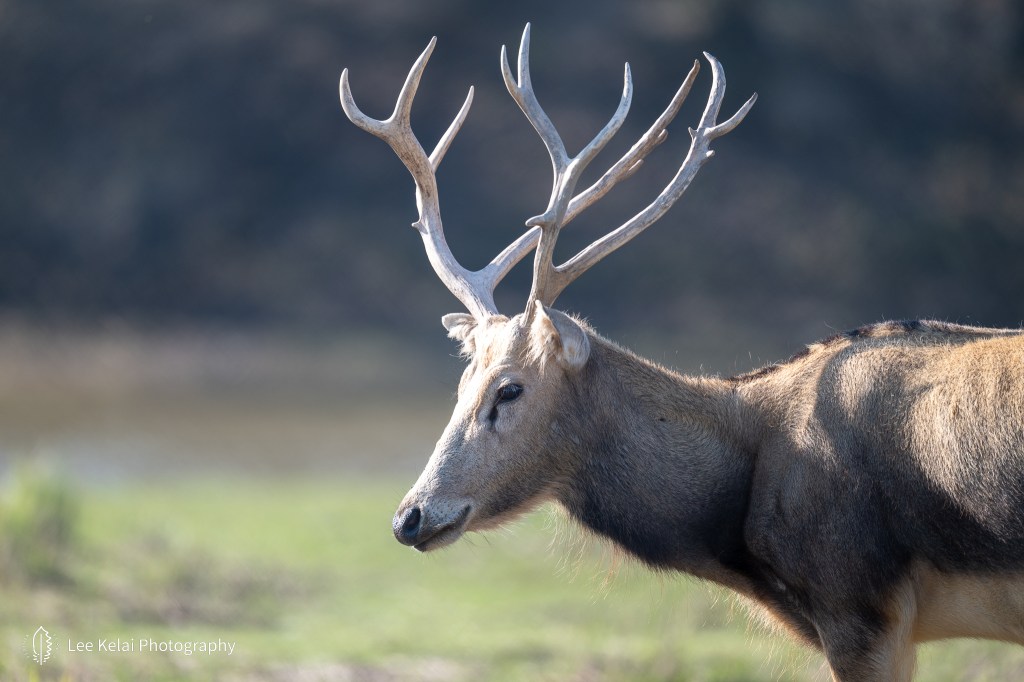
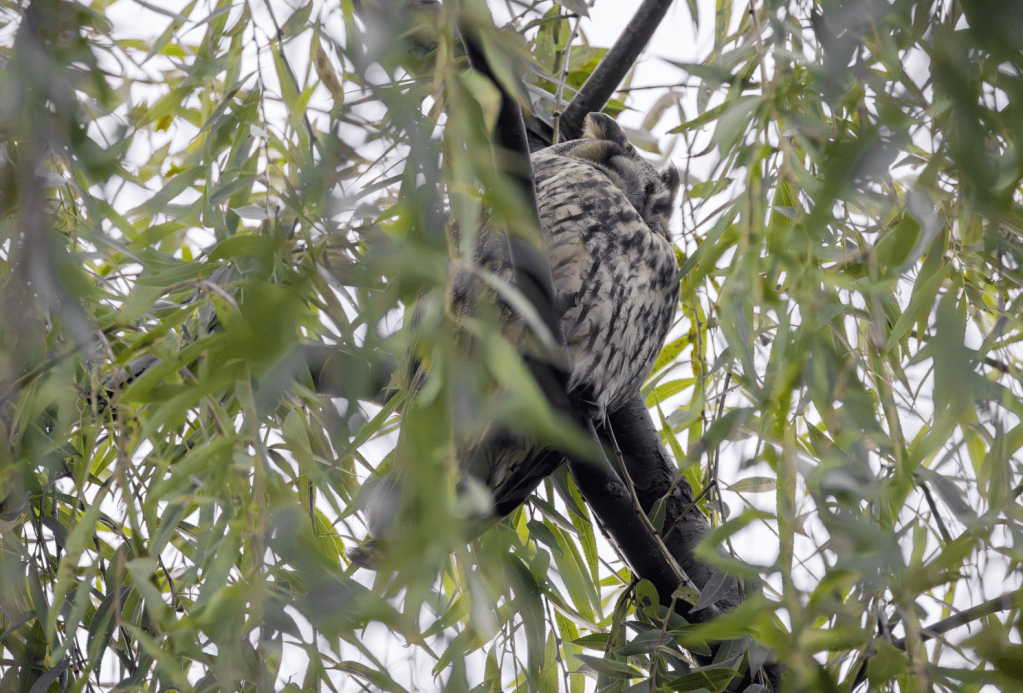
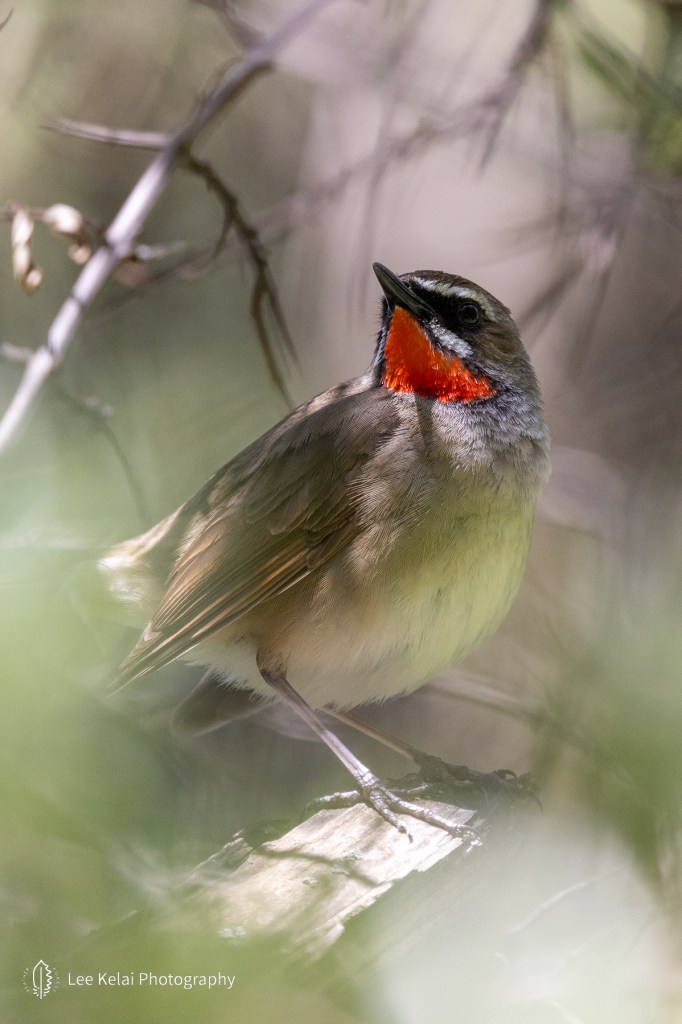
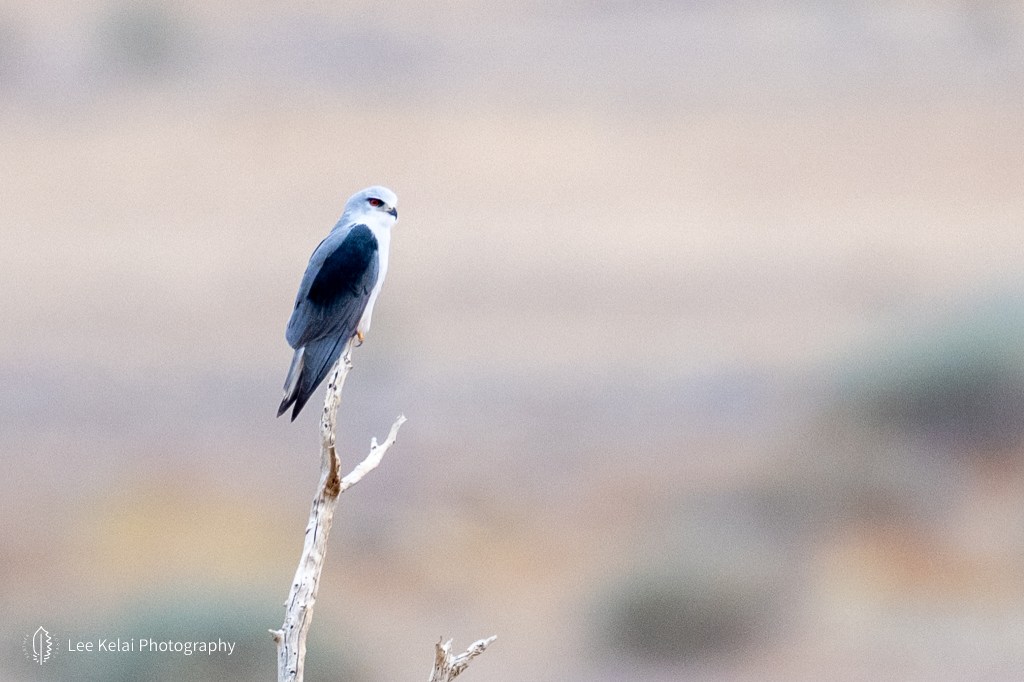
Option 3: Legends of Père David’s Deer – Historic Imperial Hunting Grounds & Southern Wetlands of Daxing and Fengtai (Click for itinerary)
Day Tour (0.5 hours to city) | Best Seasons: Mar-May and Aug-Nov (migrants), Nov-Feb (wintering raptors, owls, and waterfowl).
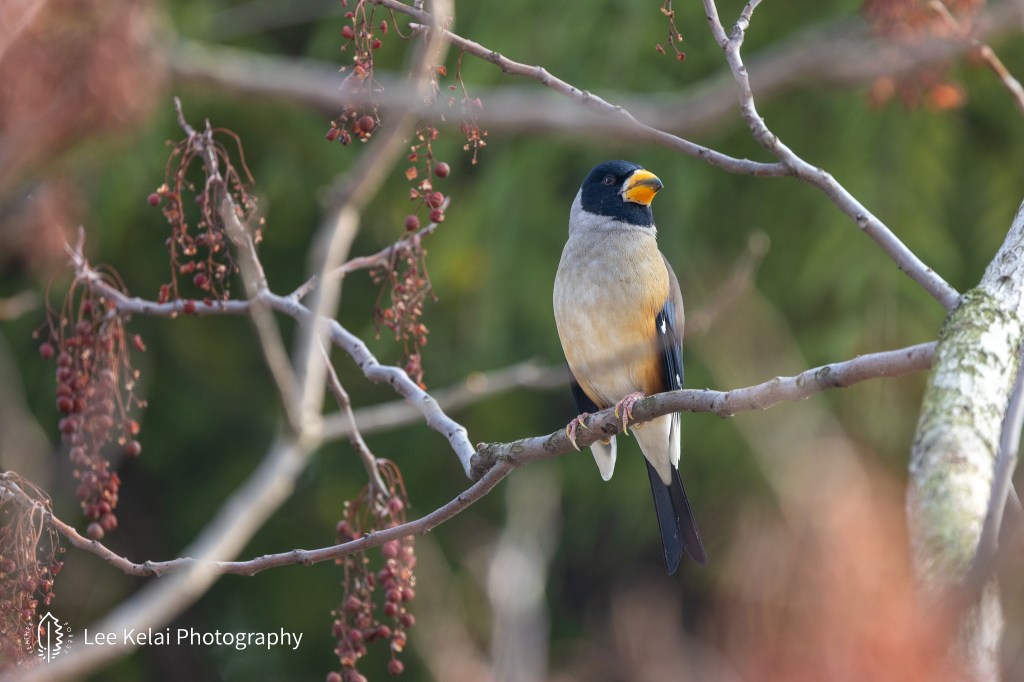
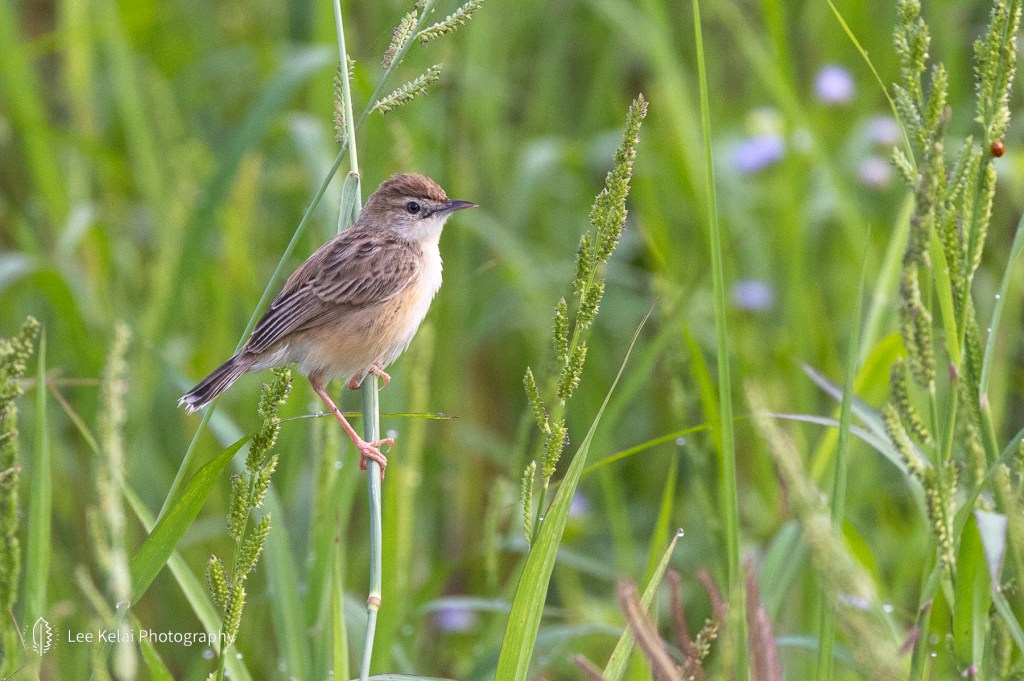
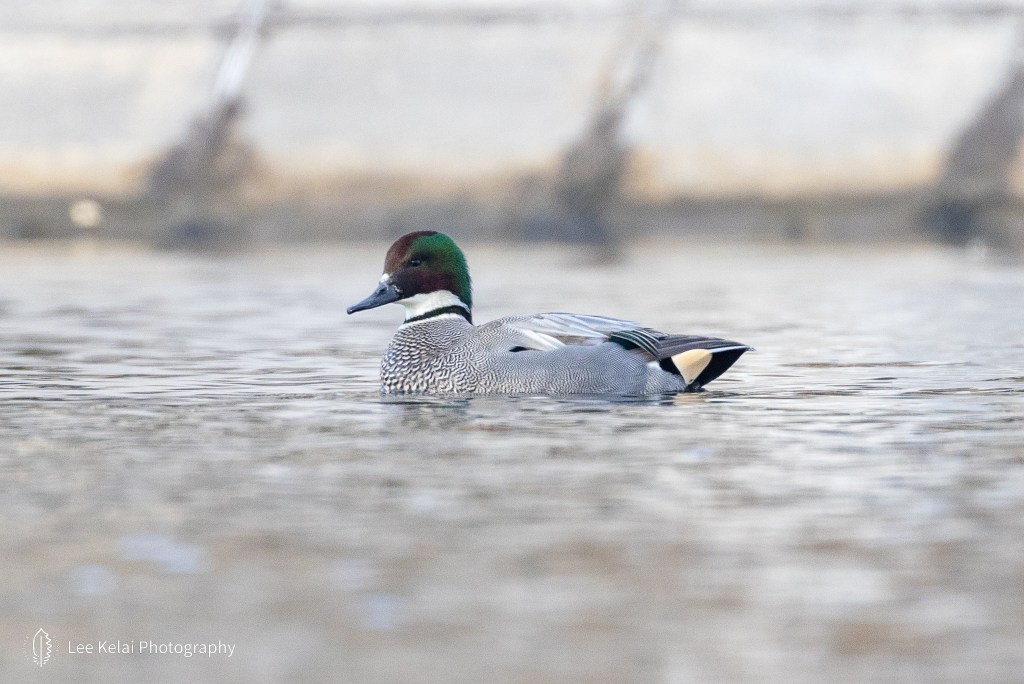
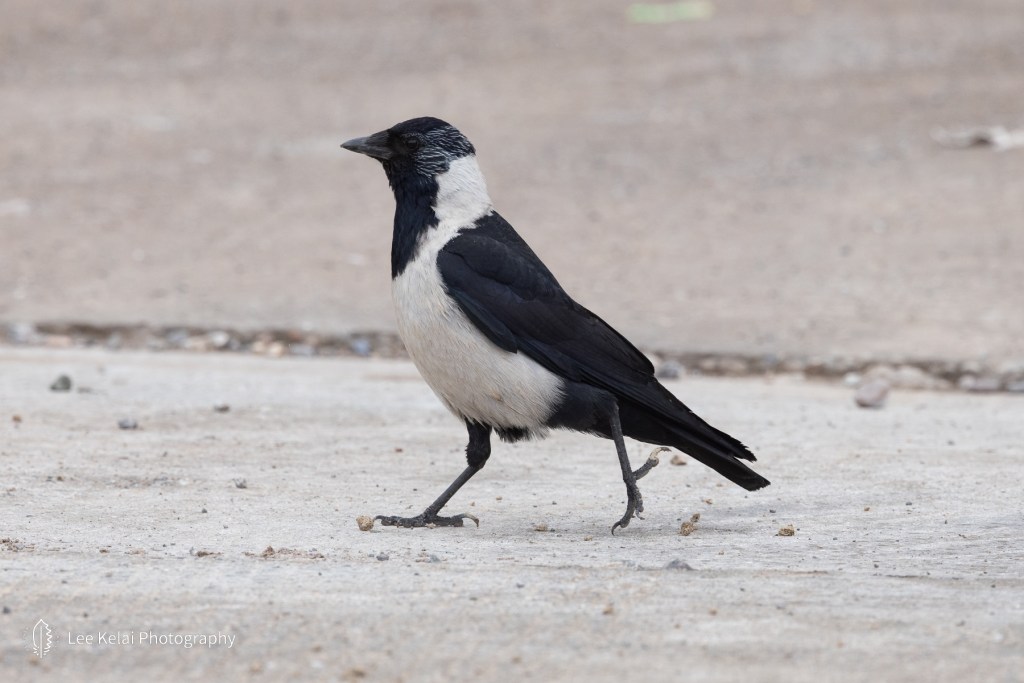
Target species: Long-eared Owl, Black-winged Kite, Zitting Cisticola, Eastern Marsh Harrier, Daurian Jackdaw, Rook, Chinese Grosbeak, Common Rosefinch, Falcated Duck, Eurasian Spoonbill, Green Sandpiper, Crested Kingfisher, Gray-capped Pygmy Woodpecker, Siberian Rubythroat.
The plains south of Beijing were once covered by vast marshes, woodlands, and grasslands rich in wildlife. Until the late 19th century, much of this region served as imperial hunting grounds for rare mammals and birds. Today, these areas support the conservation of Père David’s Deer, a species once extinct in the wild and later successfully reintroduced to China. The remaining wetlands and woodlands also provide important habitats for breeding, migratory, and wintering birds, offering excellent opportunities for birdwatching and wildlife photography.
In the morning, we will explore the protected woodlands and open habitats of Daxing, where the conservation of Père David’s Deer offers a unique connection between China’s imperial history and modern wildlife restoration. While enjoying opportunities to observe these extraordinary deer, we will also search for a variety of woodland and wintering specialties, including Long-eared Owl, Chinese Grosbeak, Brambling, Silver-throated Tit, and Daurian Jackdaw. These peaceful habitats provide excellent opportunities to experience Beijing’s lesser-known natural heritage away from the busy city center.
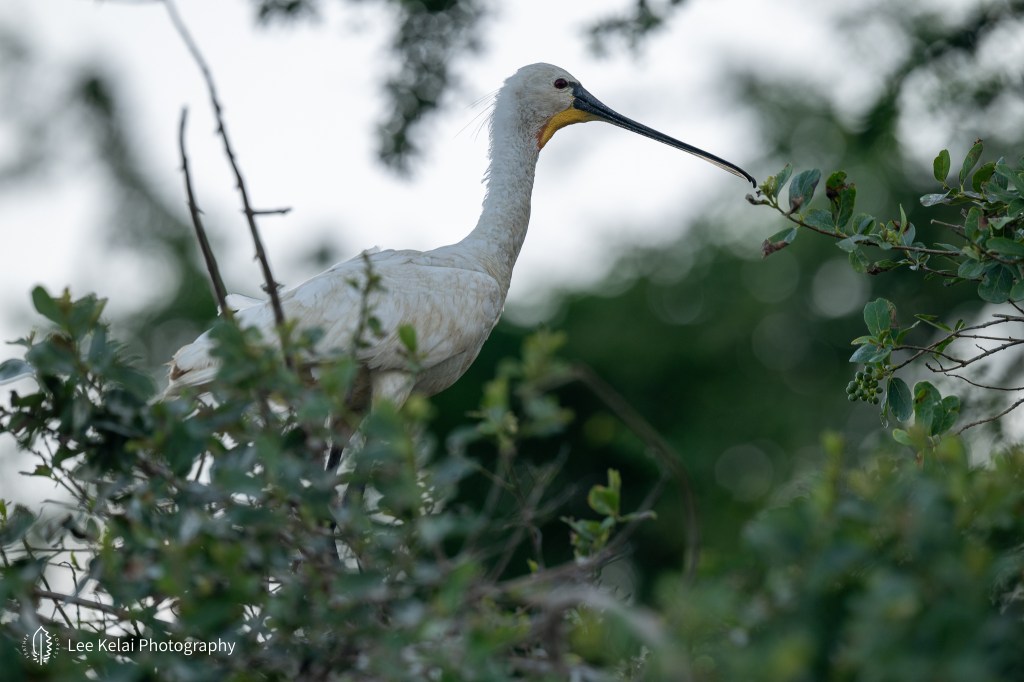
In the afternoon, we will head west toward the wetlands surrounding the historic Marco Polo Bridge in Fengtai District. The area’s extensive reedbeds, open marshes, and riverside habitats are particularly attractive to birds of prey, offering excellent opportunities to encounter Black-winged Kite, Pied Harrier, Hen Harrier, Eurasian Goshawk, Rough-legged Hawk, and Short-eared Owl. The wetlands also support a rich diversity of waterbirds, including Falcated Duck, Eurasian Wigeon, Eurasian Spoonbill, Crested Kingfisher, and Green Sandpiper.
After a rewarding day of birdwatching and wildlife photography, we will return to central Beijing, concluding a journey through landscapes that connect centuries of imperial history with modern conservation efforts. From the extraordinary recovery of Père David’s Deer to the vibrant birdlife of southern Beijing’s wetlands, this excursion offers a memorable combination of natural and cultural heritage.
Suitable Season: Spring and autumn migration periods (March–May and August–October) are particularly recommended for their greater diversity of migratory birds. Winter (November–February) is also an excellent season, especially for observing wintering raptors, owls, and waterfowl in the wetlands near Marco Polo Bridge.
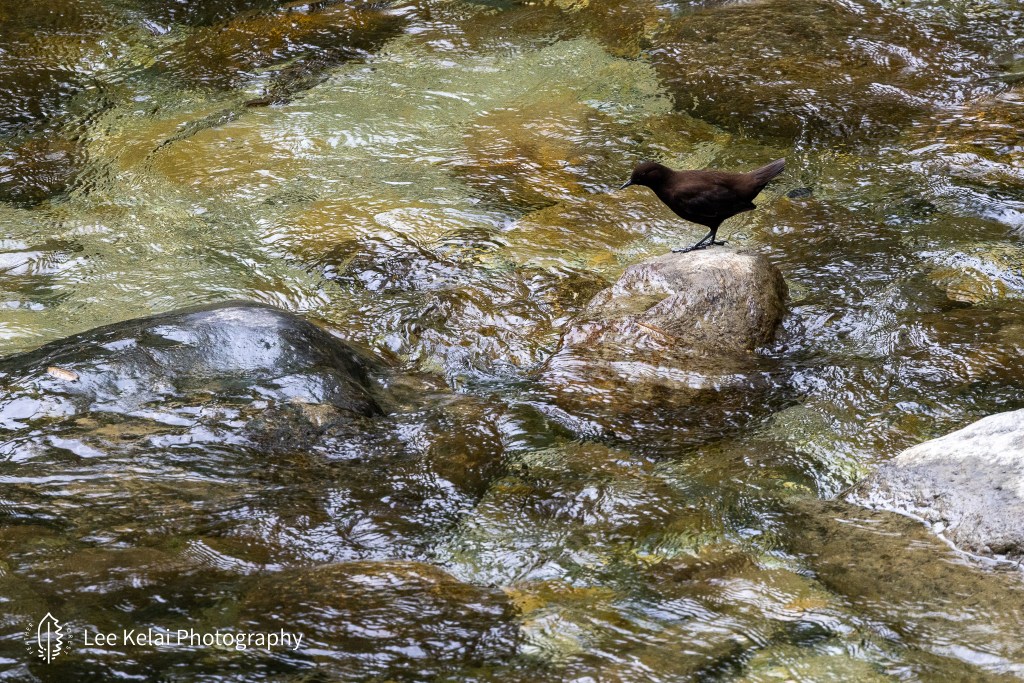
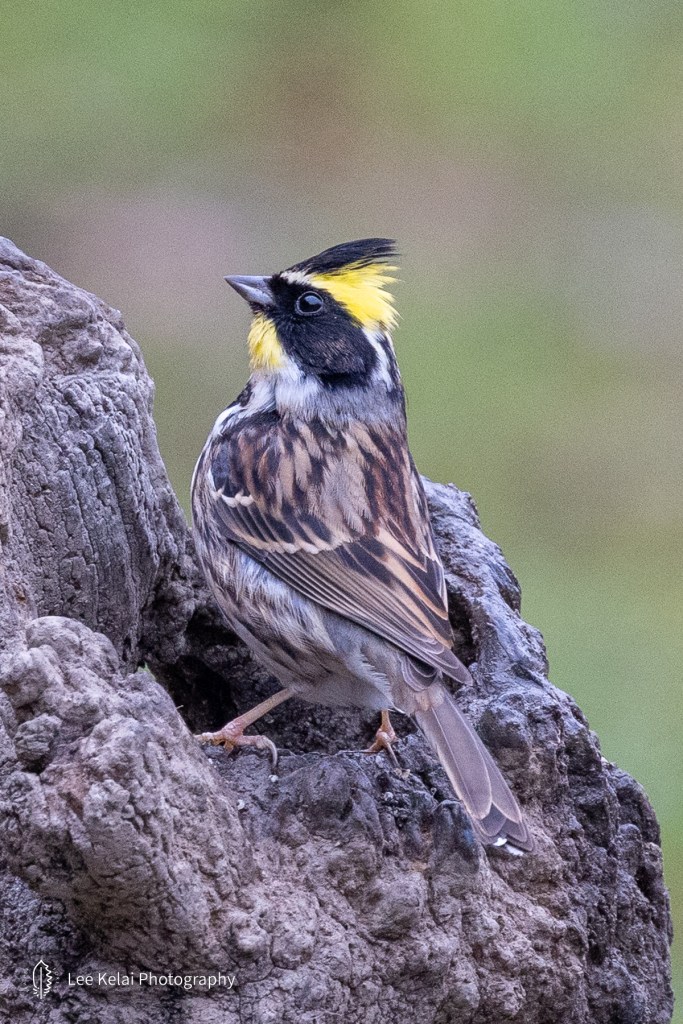
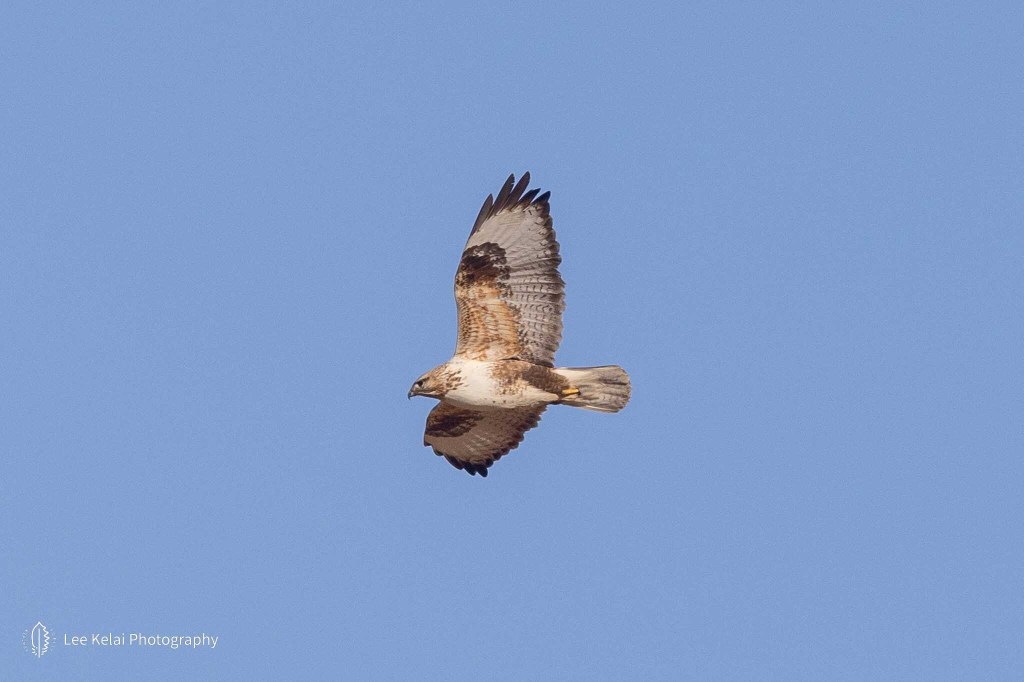
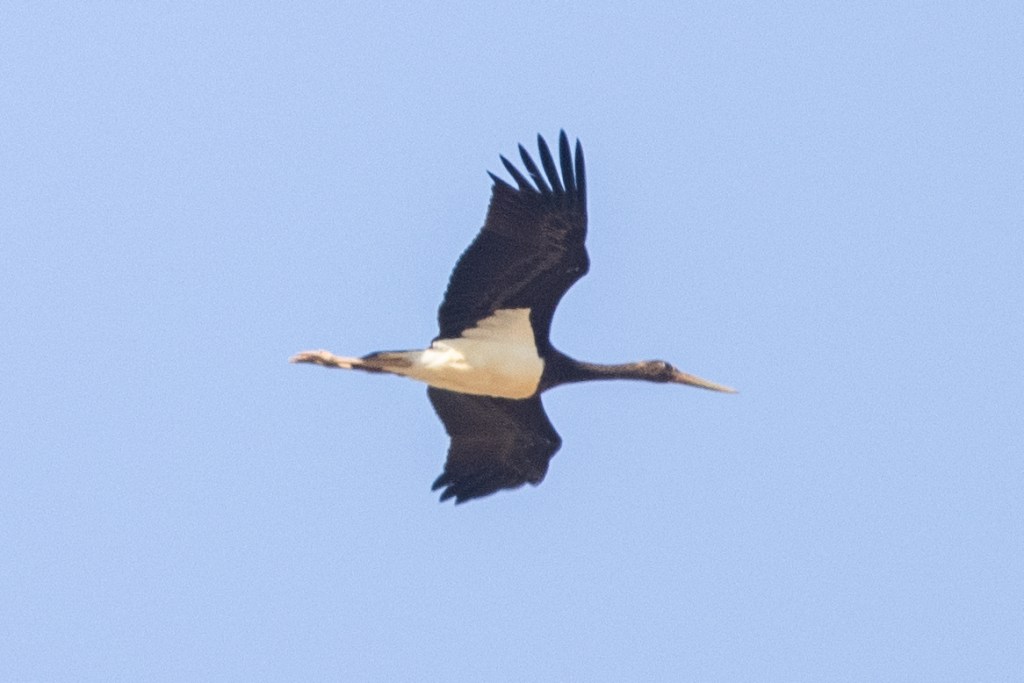
Option 4: Birding the Taihang Gorges of Shidu – Karst & Canyon Endemics (Click for itinerary)
Day Tour (1 hour to city center) | Best Seasons: Nov-March for high-elevation mountain birds wintering in the canyon.
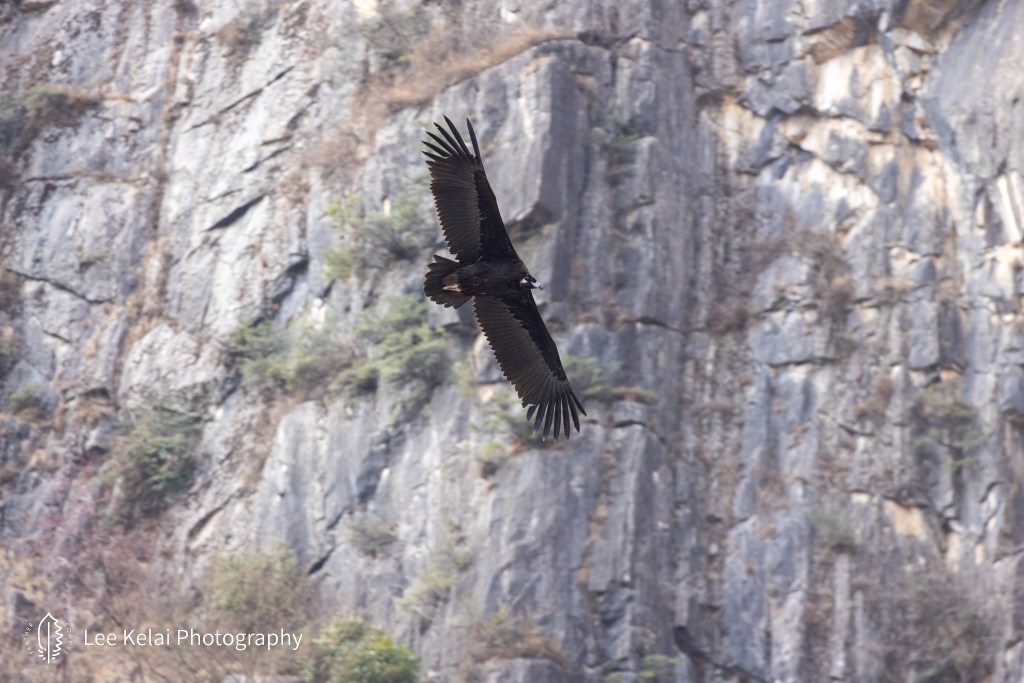
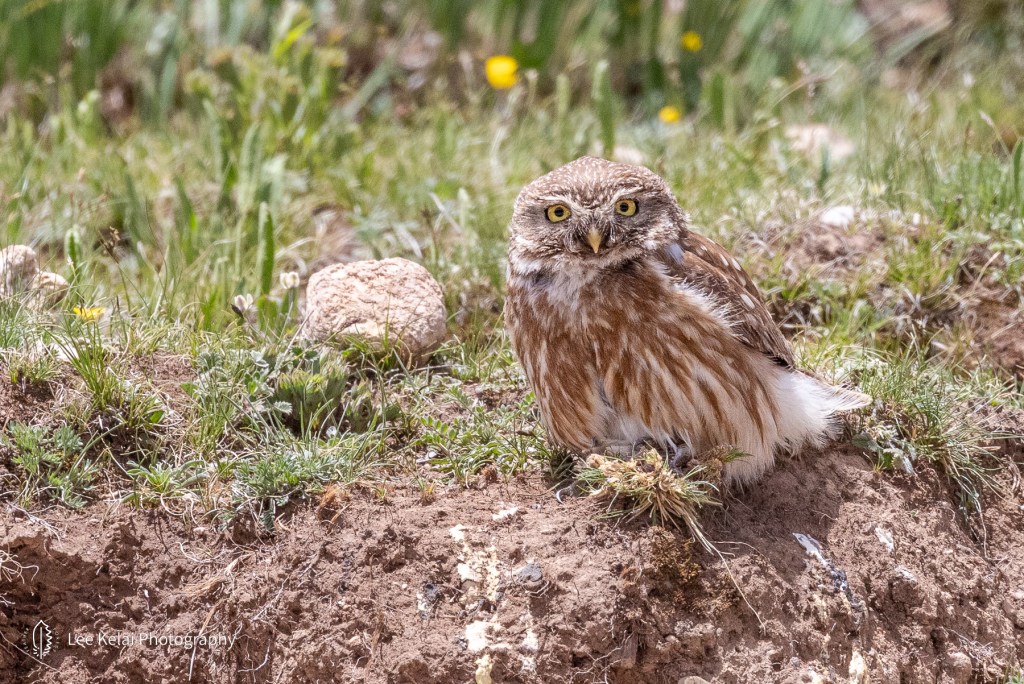
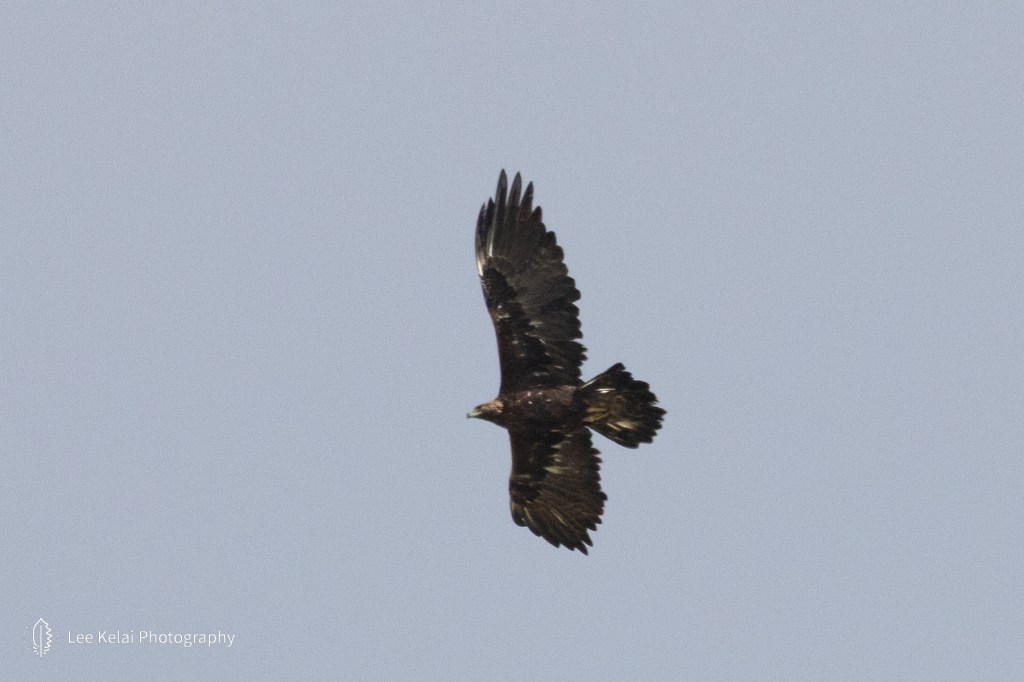
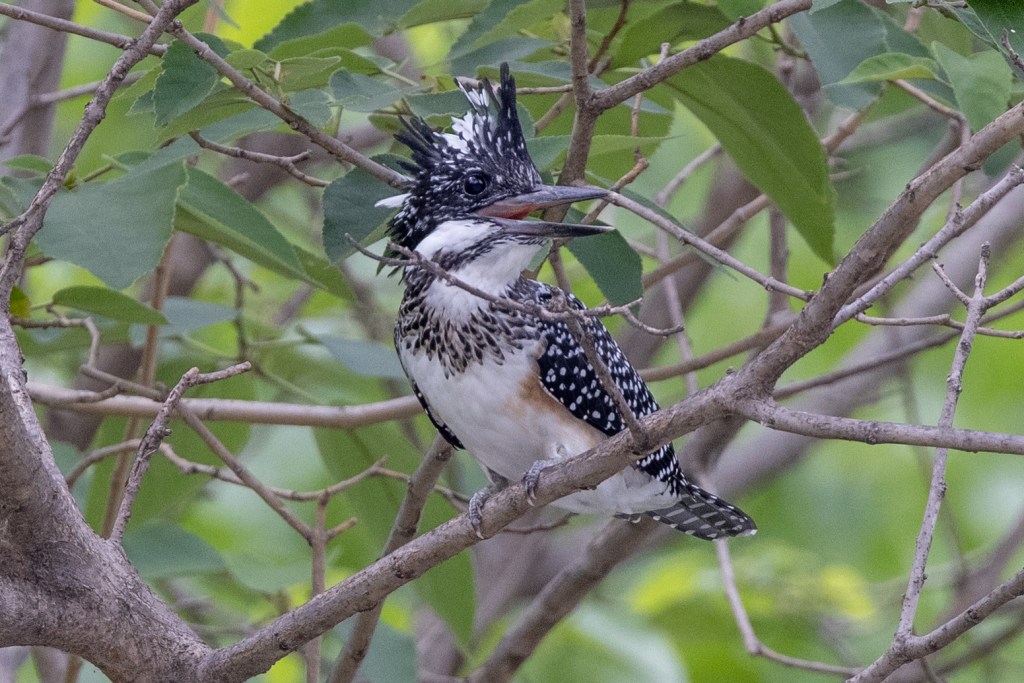
Target Species: Golden Eagle, White-tailed Eagle, Cinereous Vulture, Crested Kingfisher, Brown Dipper, Upland Buzzard, Wallcreeper, Yellow-throated Bunting, Silver-throated Tit, Plumbeous Redstart, White-capped Redstart, Little Owl, Black Stork.
The Taihang Mountains form the largest mountain range west of Beijing. Among their countless mountains and gorges, Shidu Gorge stands out for its unique karst landscape, shaped by the Juma River cutting deep canyons through the rugged mountains. In the morning, we will take a 90-minute drive from central Beijing to Shidu, where we will explore a scenic 20-kilometer route through the gorge. Along the way, we will search for Black Stork, Wallcreeper, Cinereous Vulture, Golden Eagle, White-tailed Eagle, Brown Dipper, White-capped Redstart, Plumbeous Redstart, Mandarin Duck, Long-billed Plover, Crested Kingfisher, Little Owl, Yellow-throated Bunting, Godlewski’s Bunting, and Hill Pigeon. We may also encounter mammals such as Siberian Roe Deer and Long-tailed Goral. After a rewarding day of birding amid the spectacular mountain scenery, we will return to Beijing in the evening.
Suitable Season: Suitable Season: Winter (November–March) is ideal, when many birds descend from higher elevations to the canyon floor.
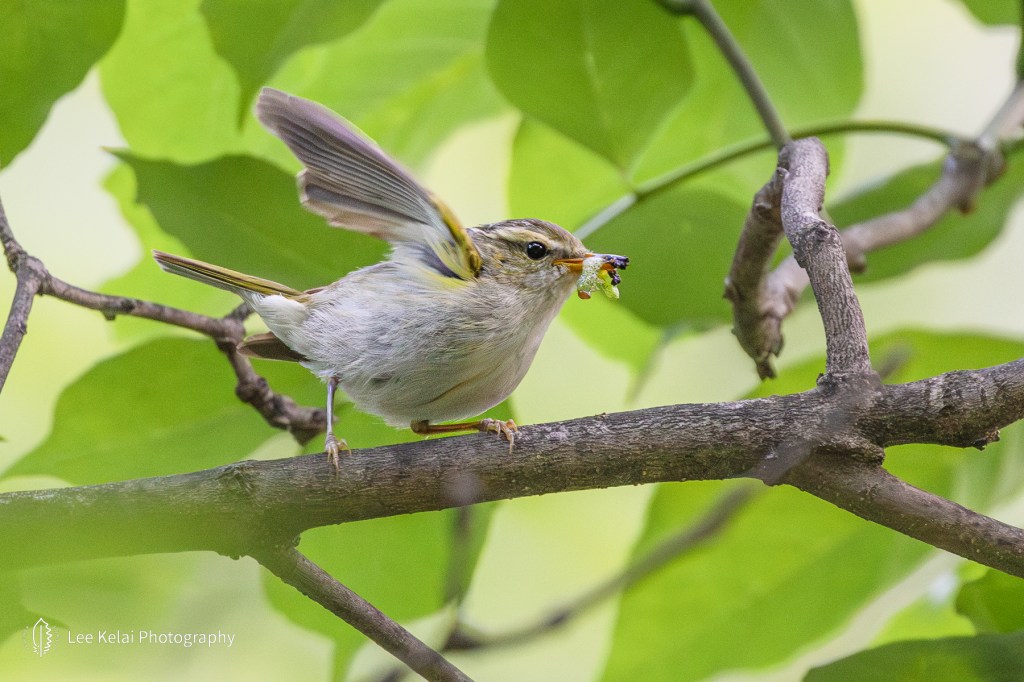
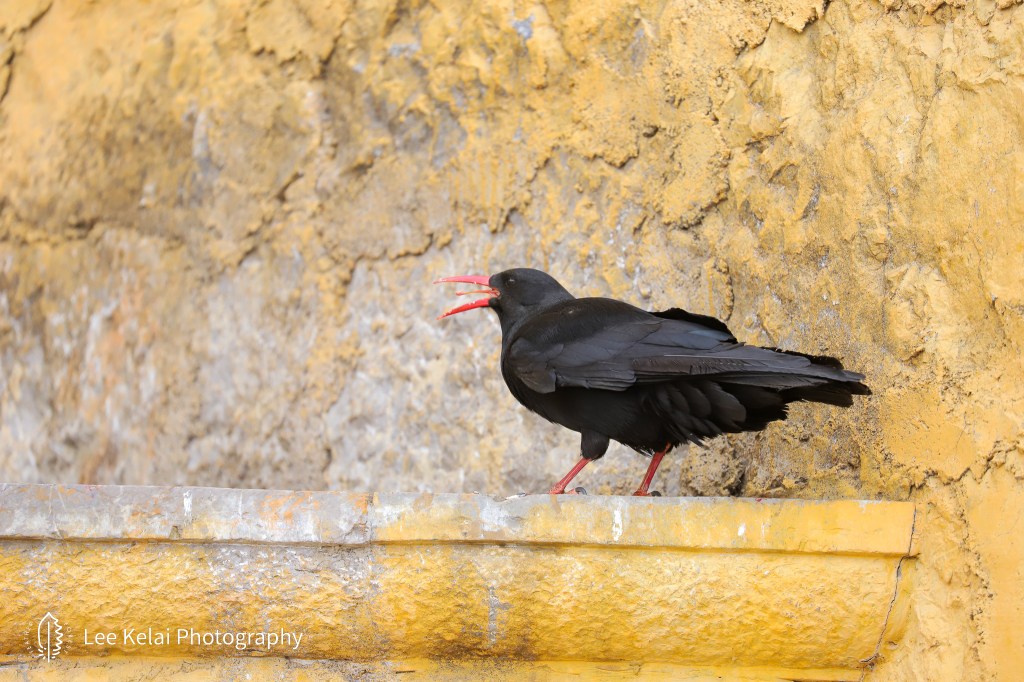
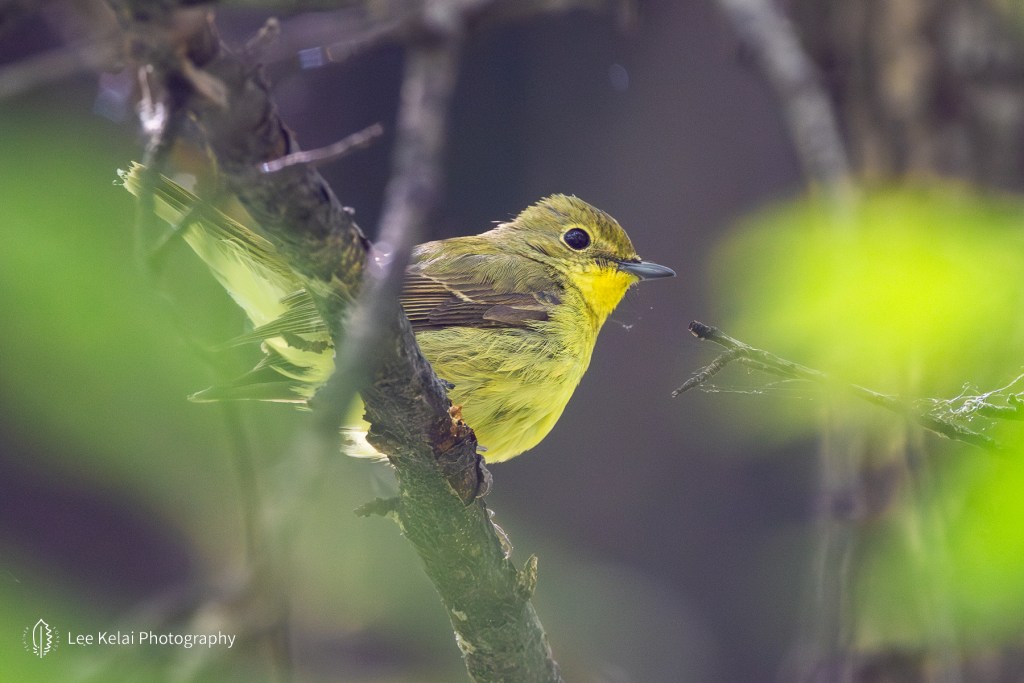
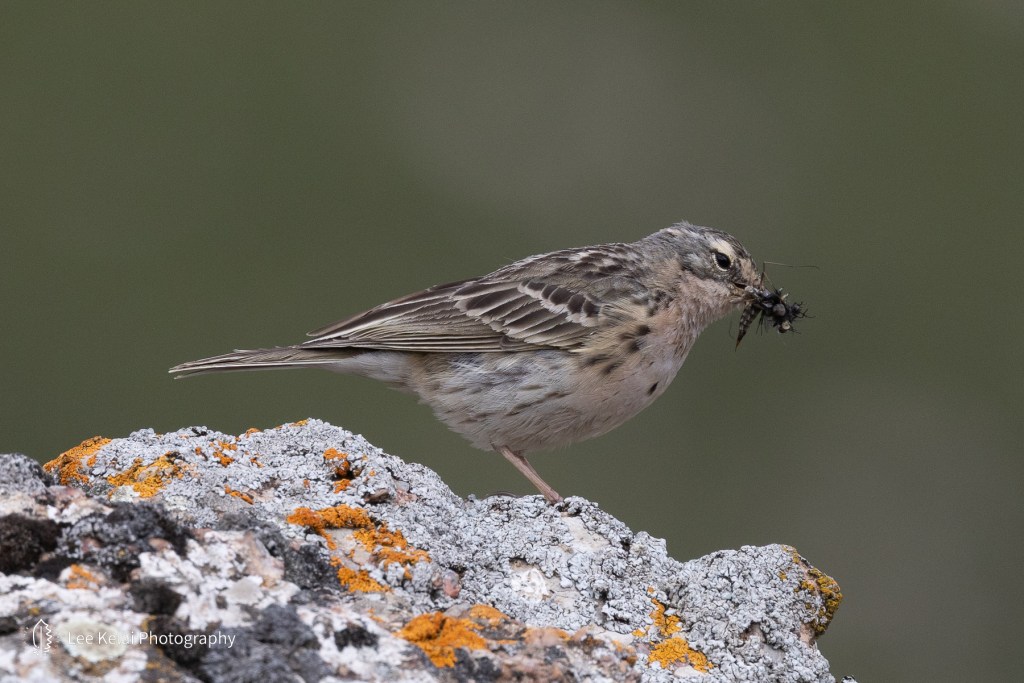
Option 5: Alpine Birds of Lingshan & Xiaolongmen Forests – High-Altitude Haven (Click for itinerary)
Day Tour (1.5 hours to city center, with the possiblity to expand into a 2-day excursion) | Best Seasons: May-Aug (summer breeding birds), Nov-Feb (wintering specialties).
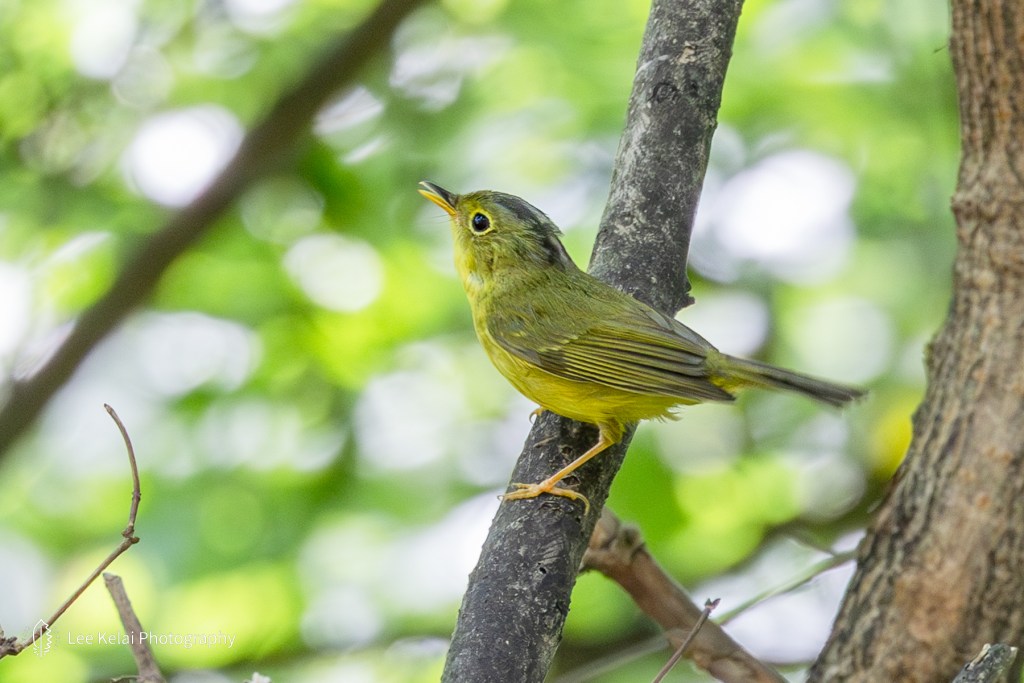
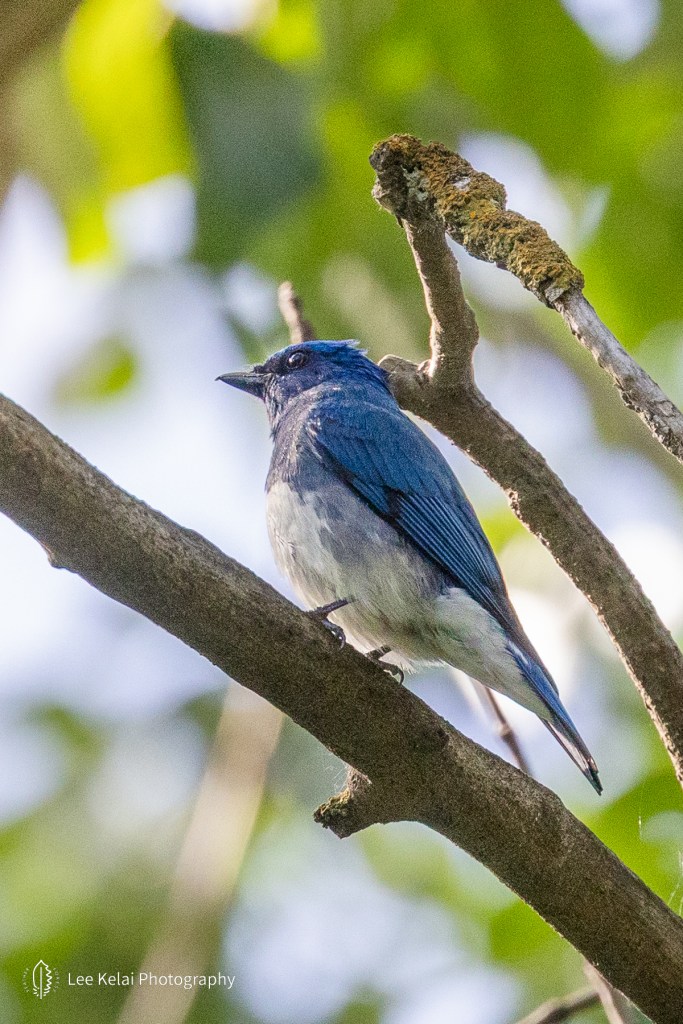
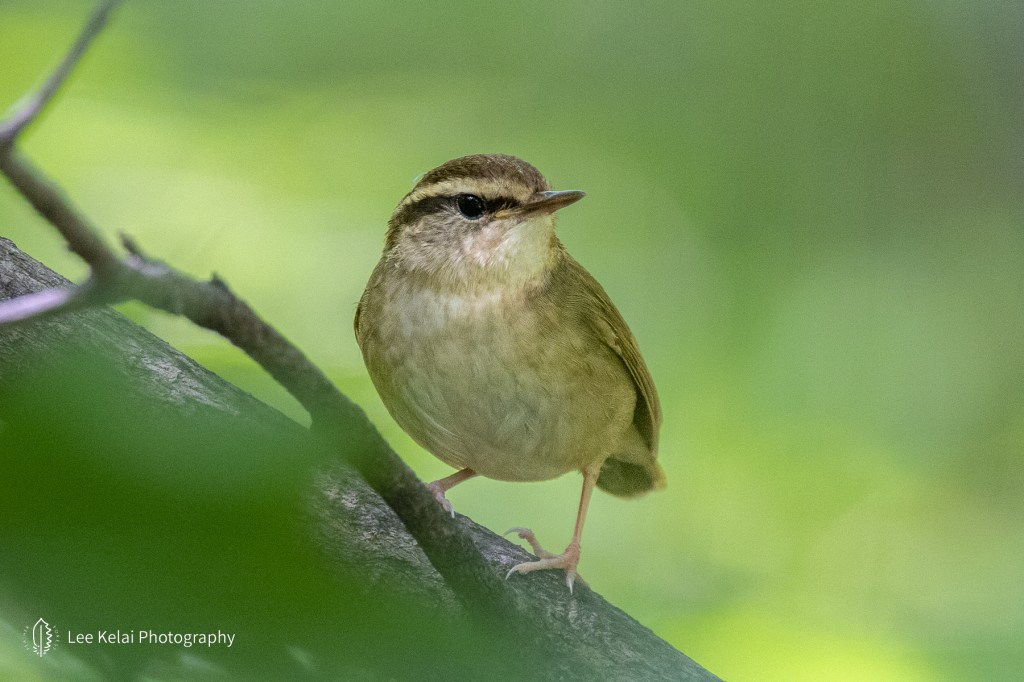
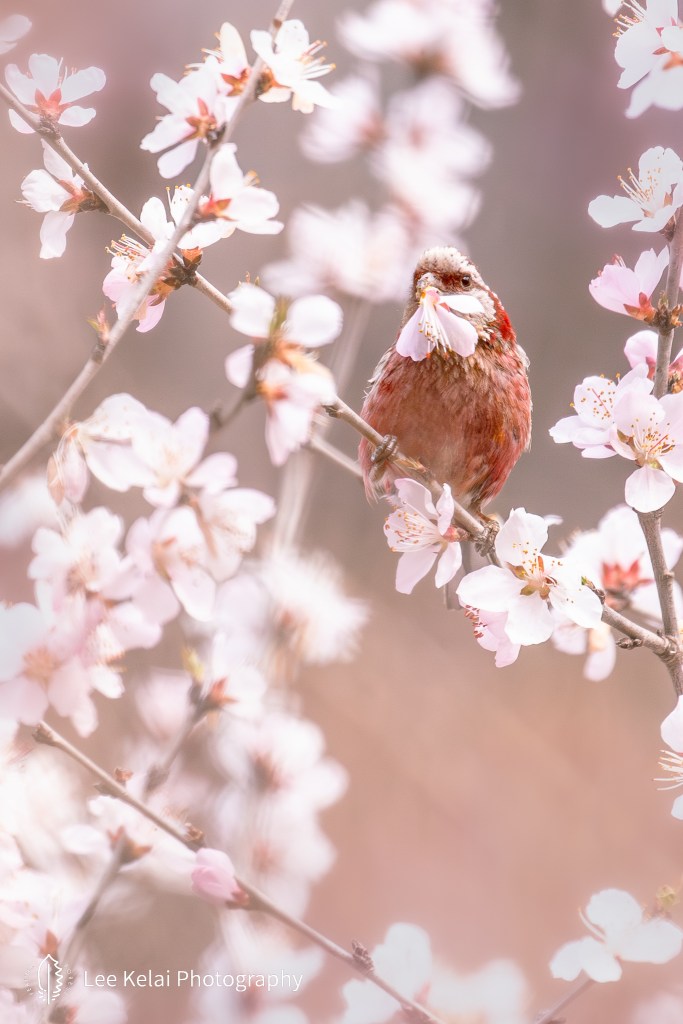
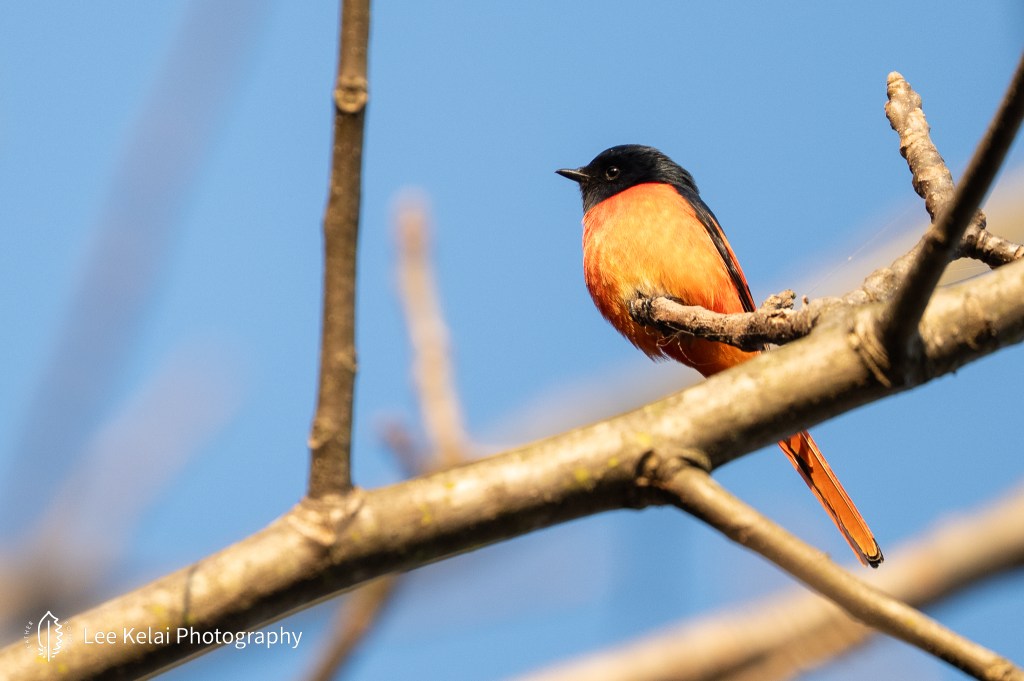
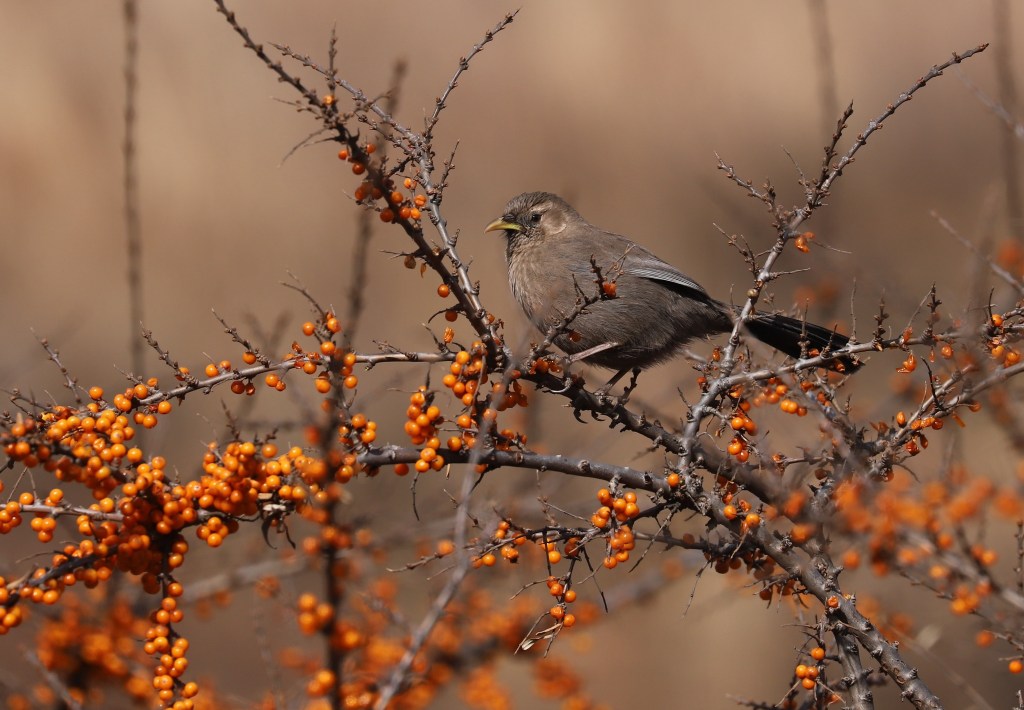
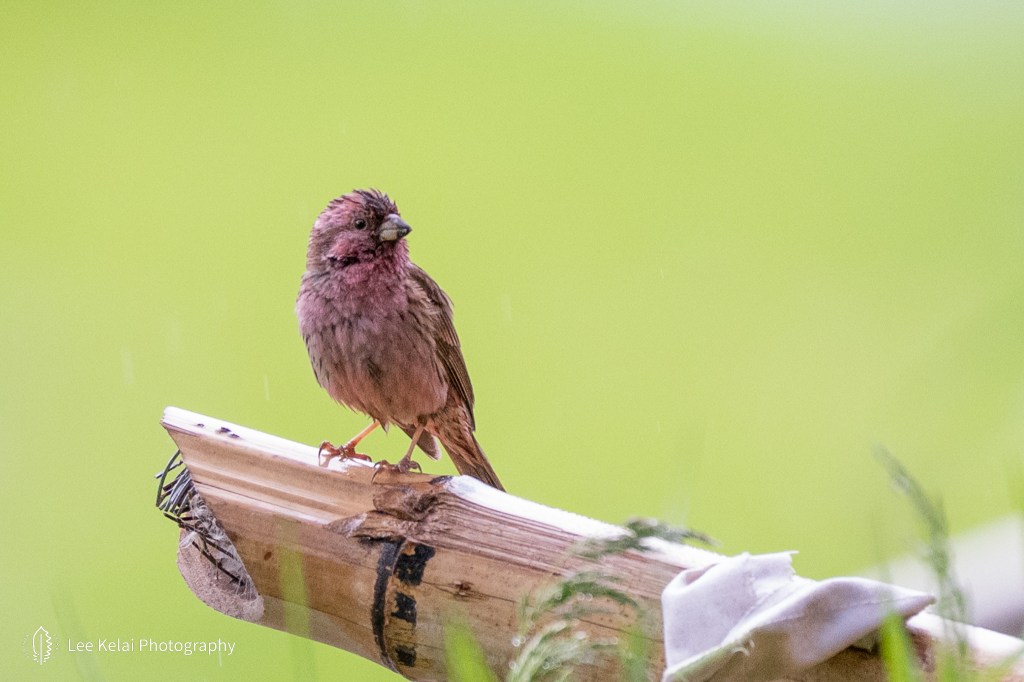
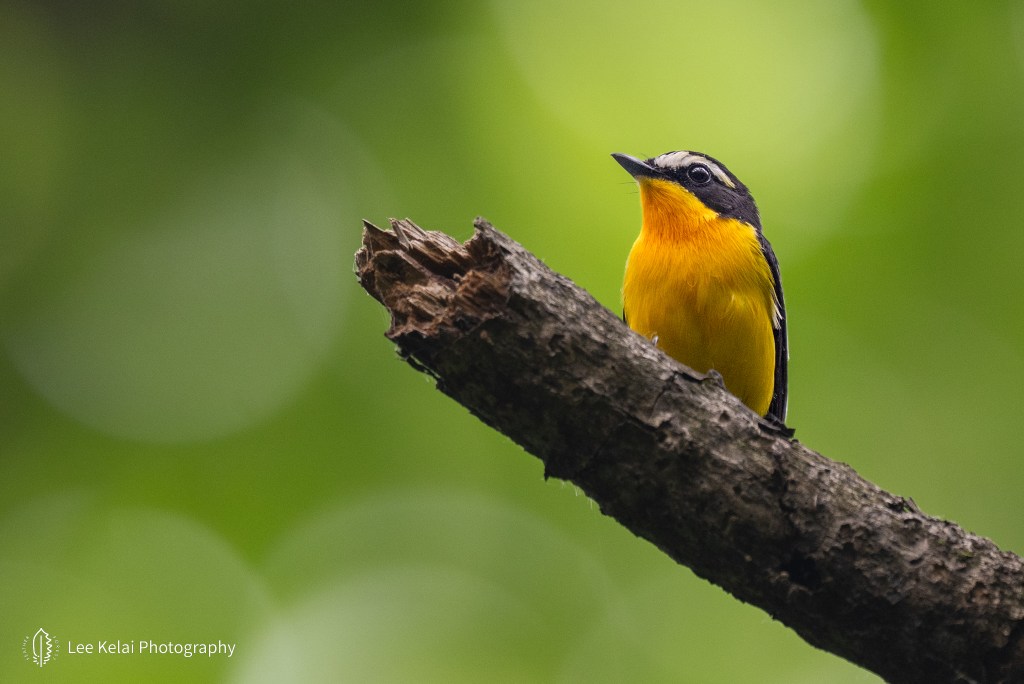
Target species: Chinese Leaf-Warbler, Alstrom’s Warbler, Zappey’s Flycatcher, Asian Stubtail, Chinese Beautiful Rosefinch, Bull-headed Shrike, Yellow-rumped Flycatcher, Long-tailedd Minivet, Plain Laughingthrush, Beijing Babbler, Chinese Thrush, Himalayan Cuckoo, White-throated Rock Thrush, Yellow-streaked Warbler, Green-backed Flycatcher, Chestnut-flanked White-eye, Rosy Pipit, Long-tailed Rosefinch, Asian Rosy-Finch.
The Lingshan Mountains and Xiaolongmen Forest are renowned for their distinctive alpine and montane forest habitats, which support a rich diversity of birdlife special to northern China. We will depart from Beijing early in the morning and begin our exploration in Xiaolongmen Forest. Situated at approximately 800 meters above sea level, its forested valleys offer a cooler climate than the city and provide important breeding habitats for migratory passerines. During the summer, our target species include Asian Stubtail, Zappey’s Flycatcher, Alström’s Warbler, Chinese Thrush, White-throated Rock Thrush, Claudia’s Leaf Warbler, Yellow-rumped Flycatcher, Green-backed Flycatcher, Russet Sparrow, and Asian Brown Flycatcher. At the height of the breeding season, the enchanting dawn chorus of these forest birds fills the valleys, creating a truly unforgettable birding experience. We may also encounter two of the region’s most sought-after forest gamebirds: Brown Eared-Pheasant and Koklass Pheasant.
Later, we will continue to Jiangshuihe Village, situated at approximately 1,440 meters above sea level in the foothills of Lingshan Mountain. The surrounding forests, shrublands, and mountain slopes offer opportunities to search for Chinese Leaf Warbler, Hume’s Leaf Warbler, Bull-headed Shrike, Chinese Beautiful Rosefinch, Yellow-throated Bunting, Long-tailed Minivet, Yellow-streaked Warbler, Rosy Pipit, and Himalayan Cuckoo. After an afternoon of birding in these scenic mountain habitats, we will return to Beijing along the picturesque Yongding River Valley.
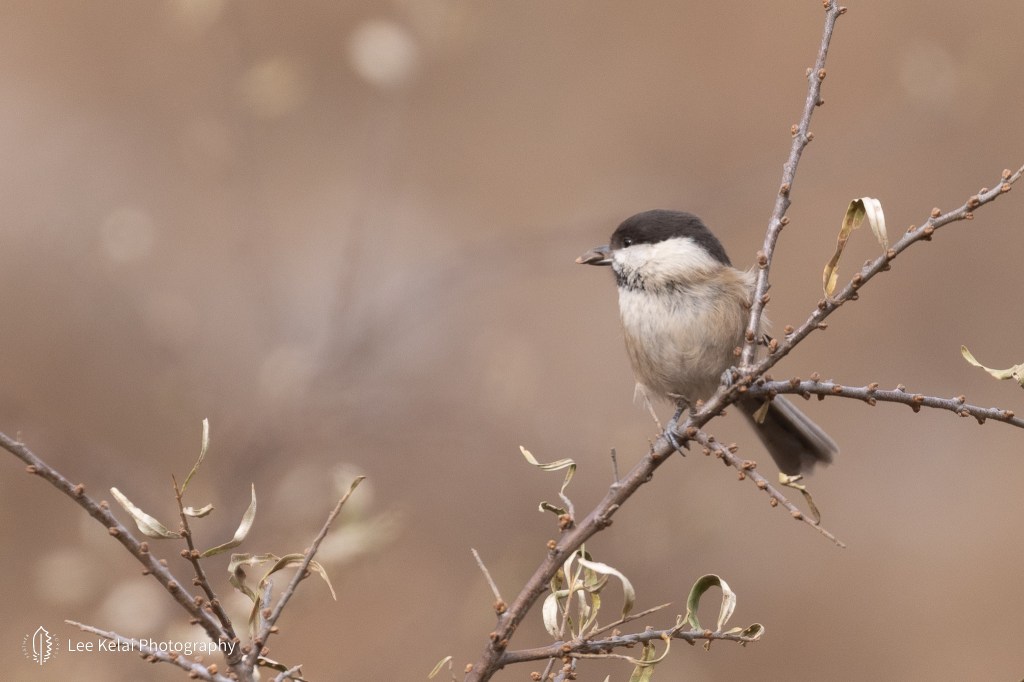
Winter Birding: During winter, Lingshan Mountain also attracts a variety of birds migrating south from the Arctic and Siberia. Notable targets include Pallas’s Rosefinch, Asian Rosy-Finch, Lapland Longspur, Common Redpoll, Black-throated Thrush, Upland Buzzard, and Rough-legged Buzzard. Given the shorter daylight hours, long travel distances, challenging mountain terrain, and cold temperatures, a two-day excursion is recommended instead of a single-day trip. Throughout the year, resident species such as Beijing Babbler, Plain Laughingthrush, Red-billed Chough, Long-tailed Rosefinch, Silver-throated Tit, and Willow Tit can also be encountered in the region.
Suitable Seasons: Summer (May-August) ideal for breeding birds at high altitude; Winter (November to February) also good for wintering birds from north but requires ascending into the high alpines.
Option 6: Wild Birding in Miyun Basin – Mountains to Waters (Click for itinerary)
Day Tour (1.5 hours to city center, with the possiblity to expand into a 2-day excursion) | Best Seasons: Mar-May and Aug to Oct (migrants), Oct-Feb (wintering waterfowl and raptors).
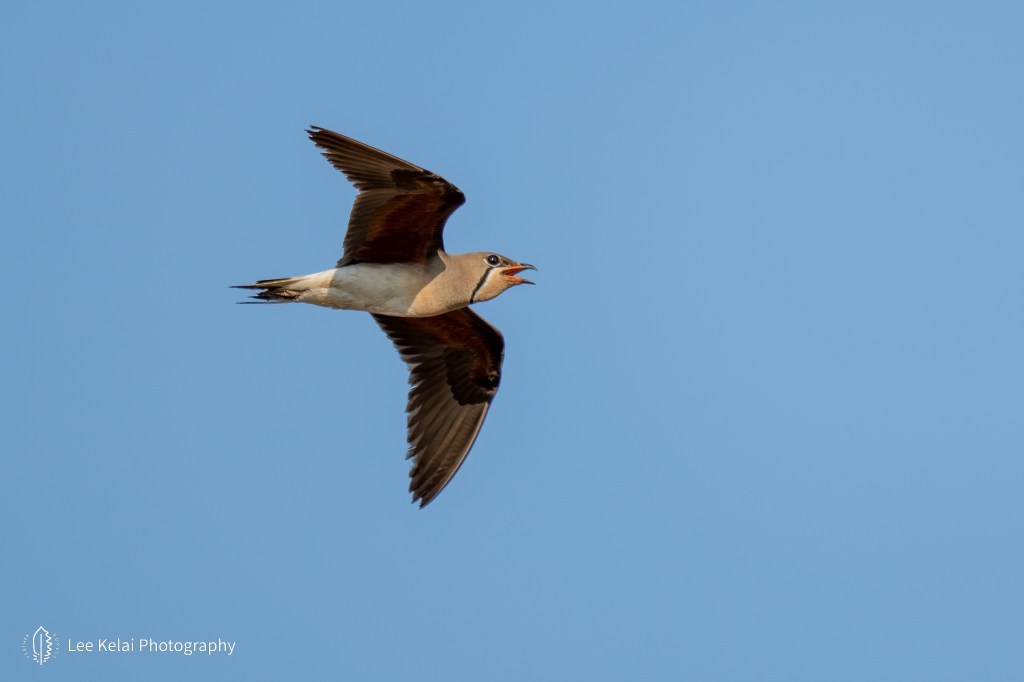
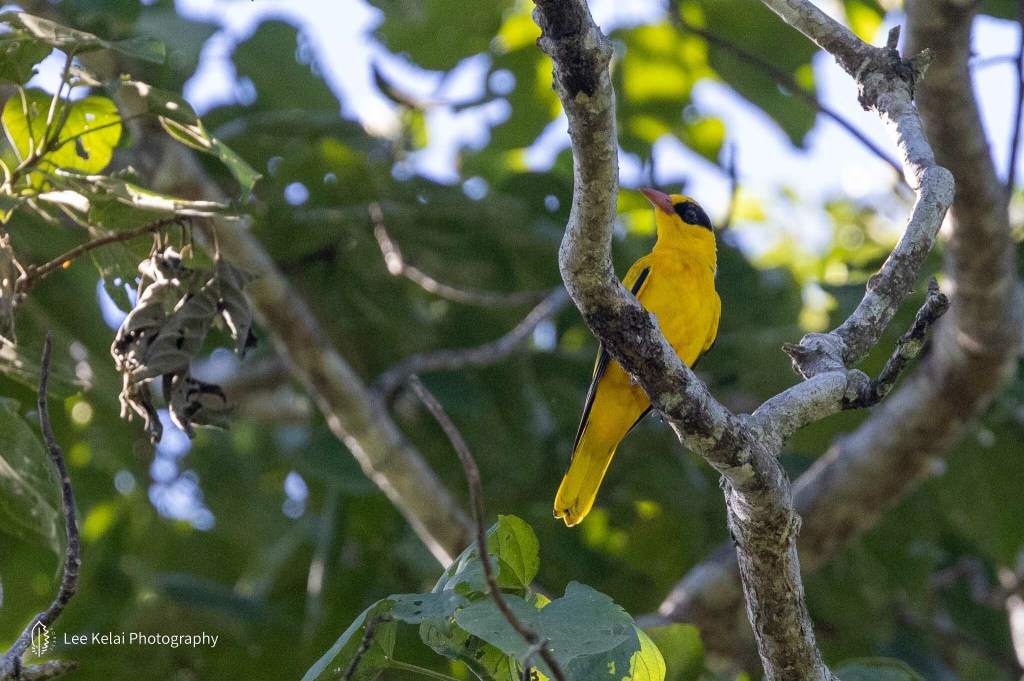
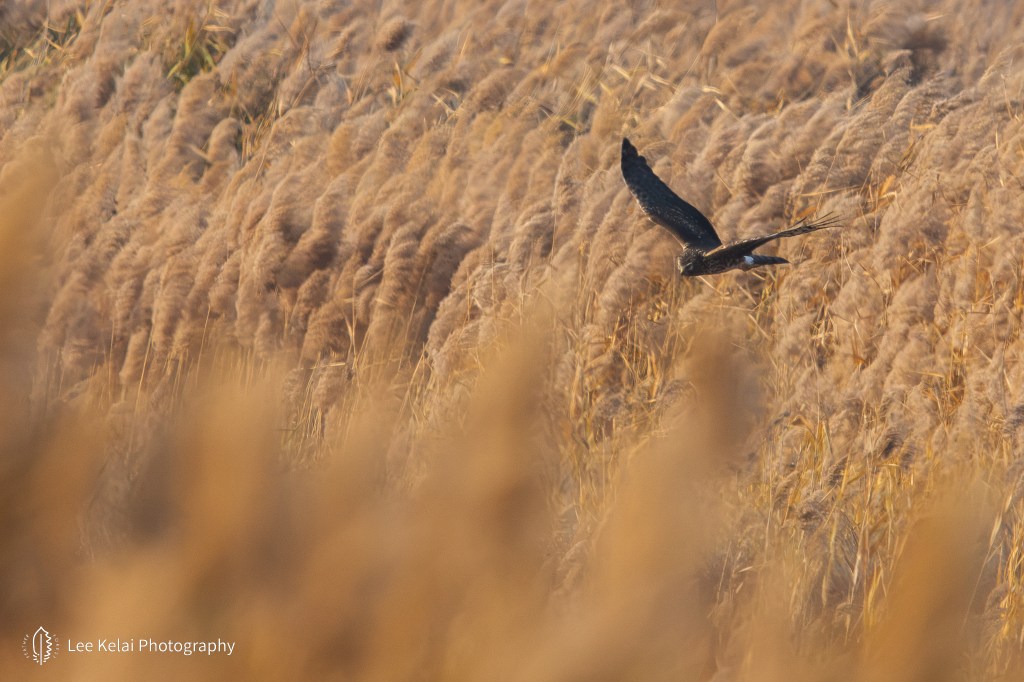
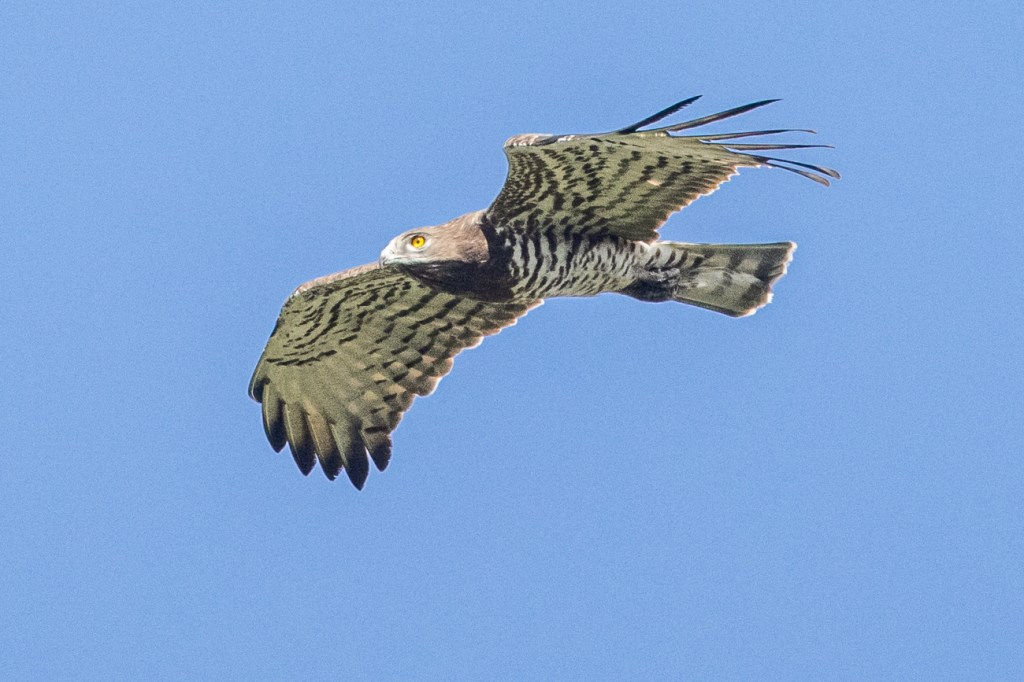
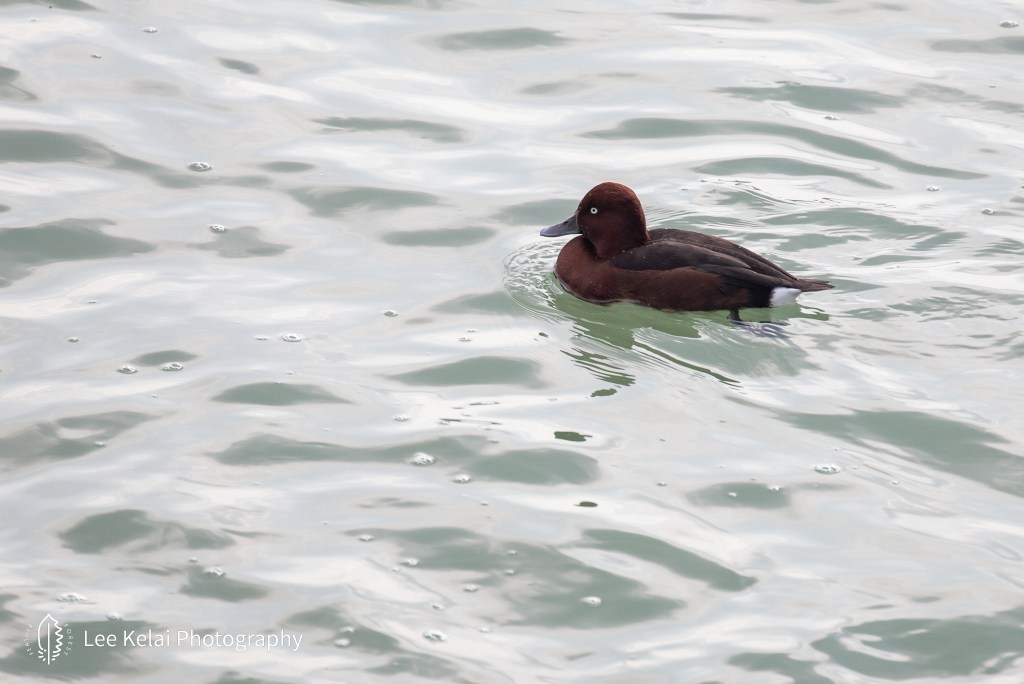
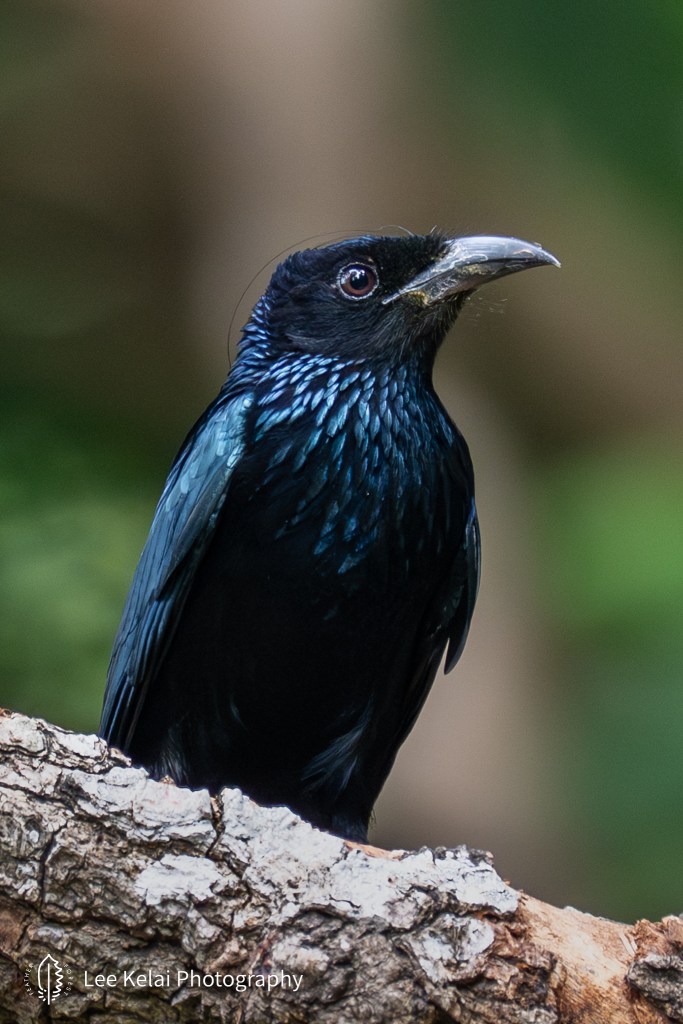
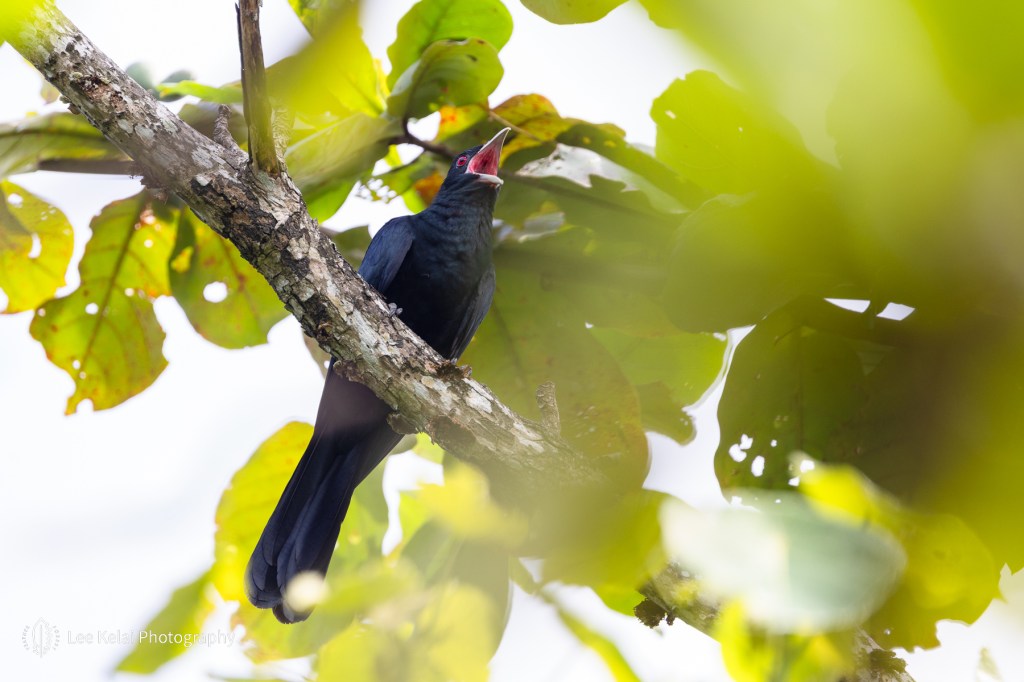
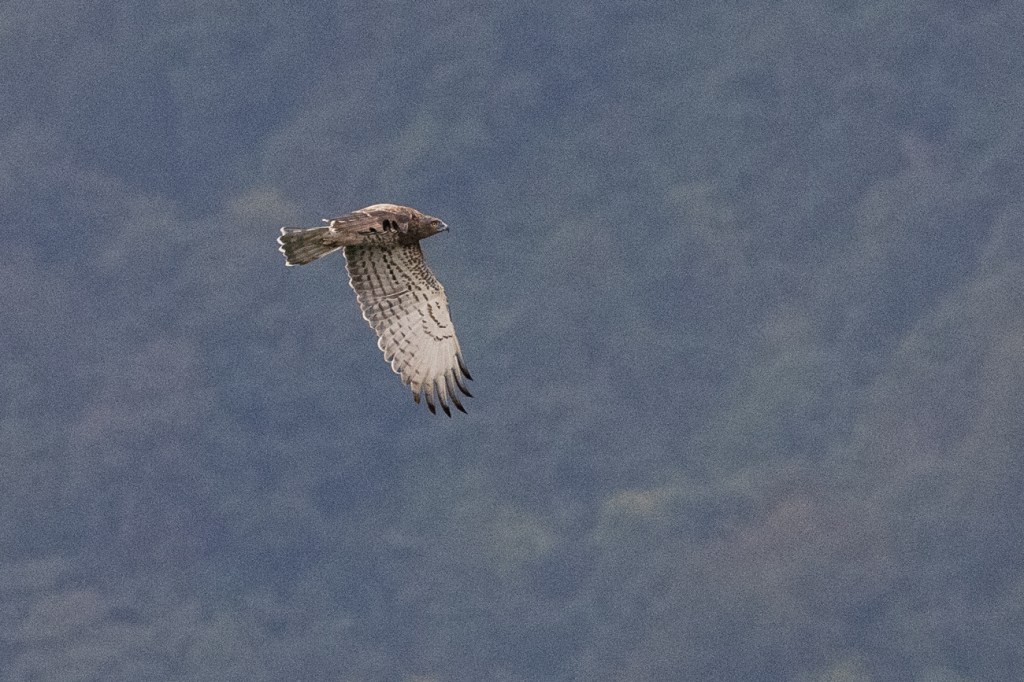
Target species: Forest Wagtail, Short-toed Snake-Eagle, Hair-crested Drongo, Chinese Sparrowhawk, Eurasian Eagle-Owl, Amur Falcon, Long-billed Plover, Asian Koel, Little Owl, Little Heron, Baer’s Pochard, Furruginous Duck, Smew, Tundra Bean-Goose, Baikal Teal, Hen Harrier, Red-creasted Pochard.
The Miyun Basin, located in northeastern Beijing approximately 1.5 hours from the city center, is home to the city’s largest reservoir. During summer, the surrounding wetlands, forests, and river valleys provide rich breeding habitats for a remarkable diversity of birds. We will depart early in the morning, traveling northeast through the mountains to reach Zhujiawan Village. Along the wetlands of the Qingshui River, we will search for Chinese Sparrowhawk, Forest Wagtail, Hair-crested Drongo, Long-billed Plover, Little Heron, Amur Falcon, Black-naped Oriole, and Chinese Pond-Heron. Farther north, near Xiaocao Village, we may have the opportunity to observe Eurasian Eagle-Owls nesting on a remote cliff.
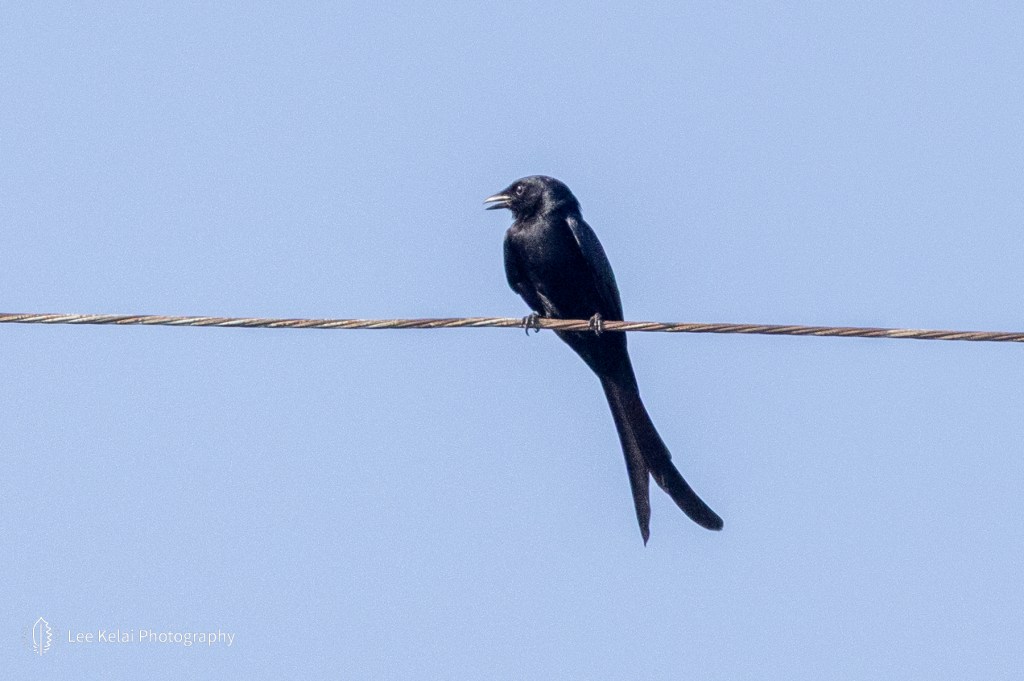
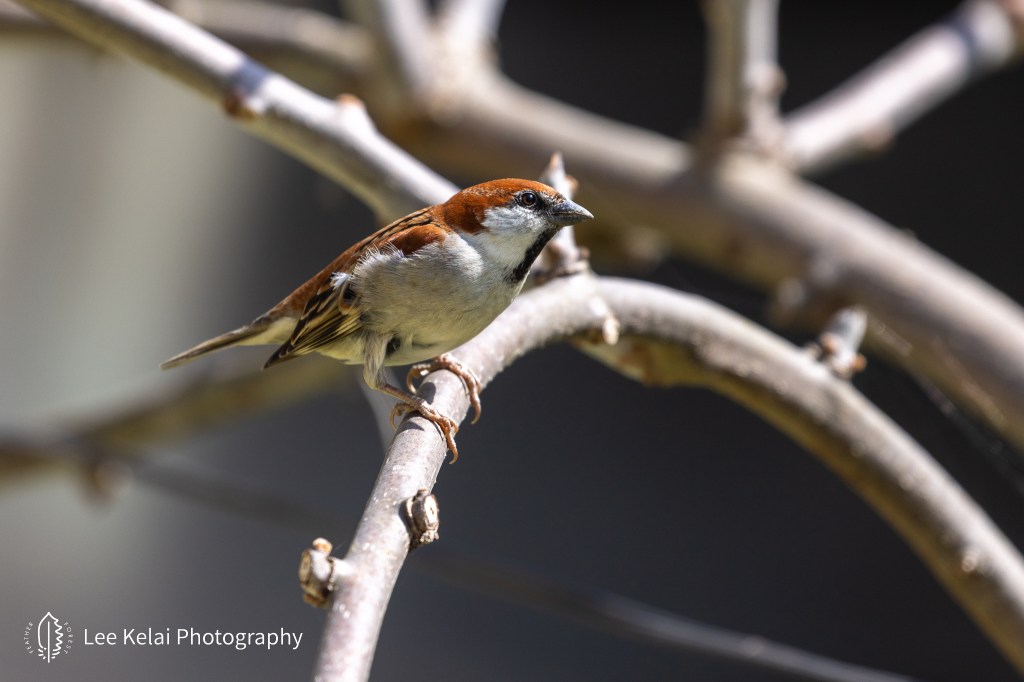
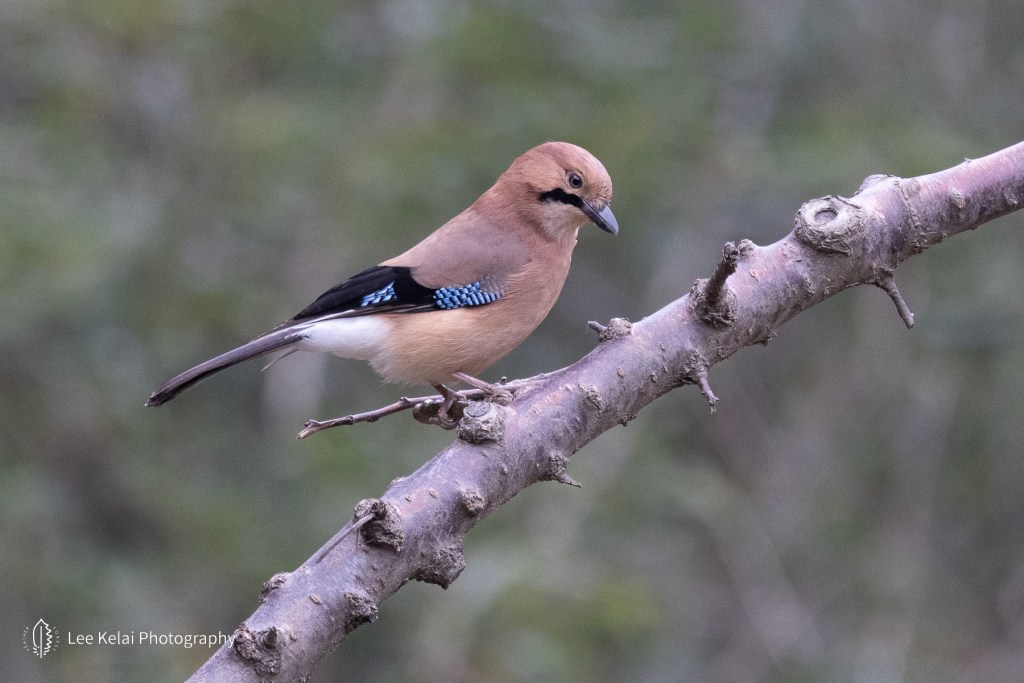
In the afternoon, we will explore the northern Miyun Basin, where our target species include Short-toed Snake-Eagle, Oriental Stork, Little Owl, and Zitting Cisticola. We will conclude our birding excursion with a scenic drive along the western shore of Miyun Reservoir before returning to Beijing. Along the way, we may encounter Eurasian Jay, Black Drongo, Asian Koel, Indian Cuckoo, and Pallas’s Grasshopper Warbler, bringing an exciting day of birding across the basin’s diverse habitats to a close.
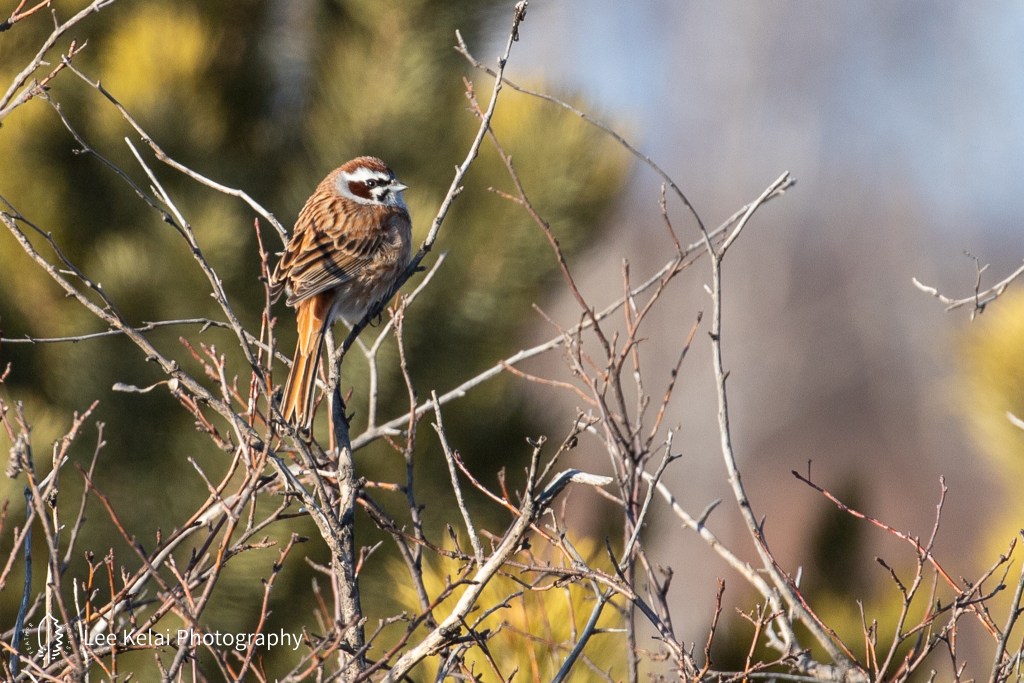
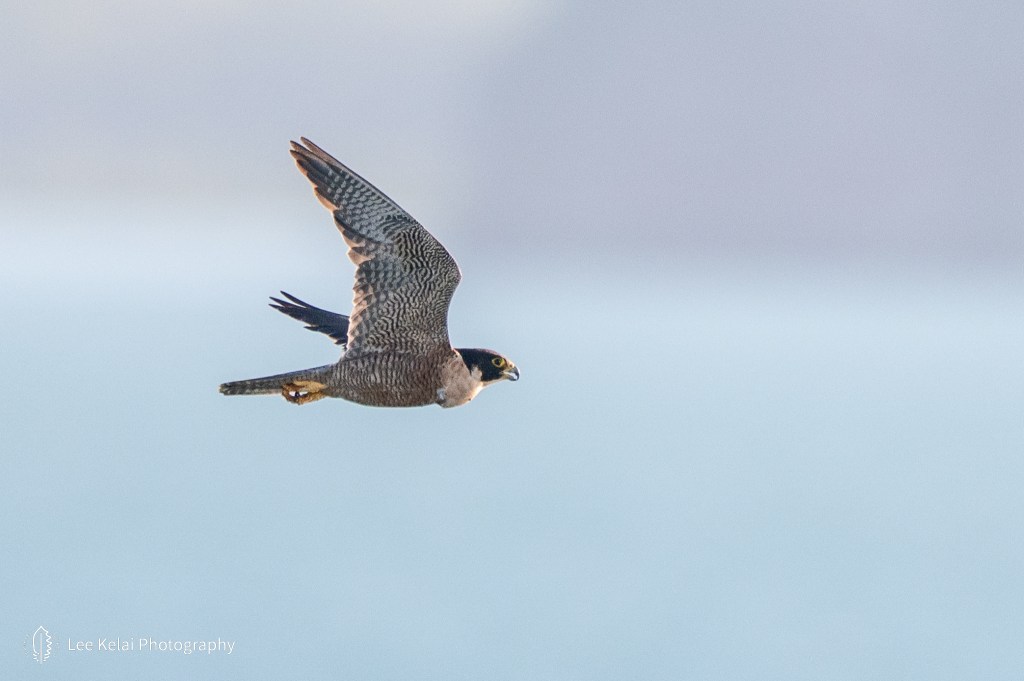
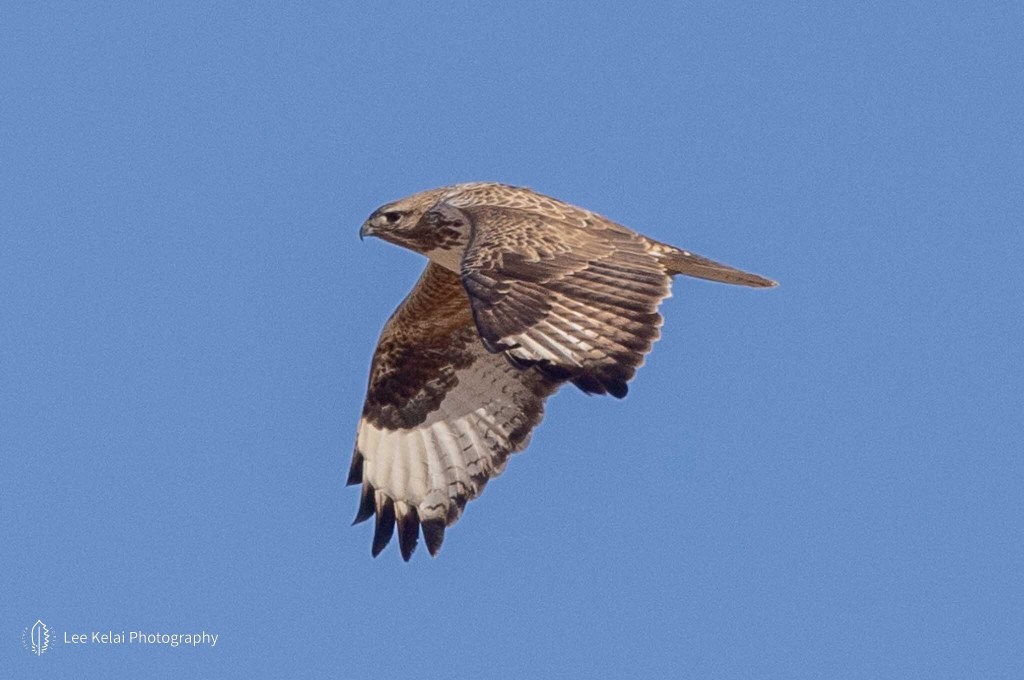
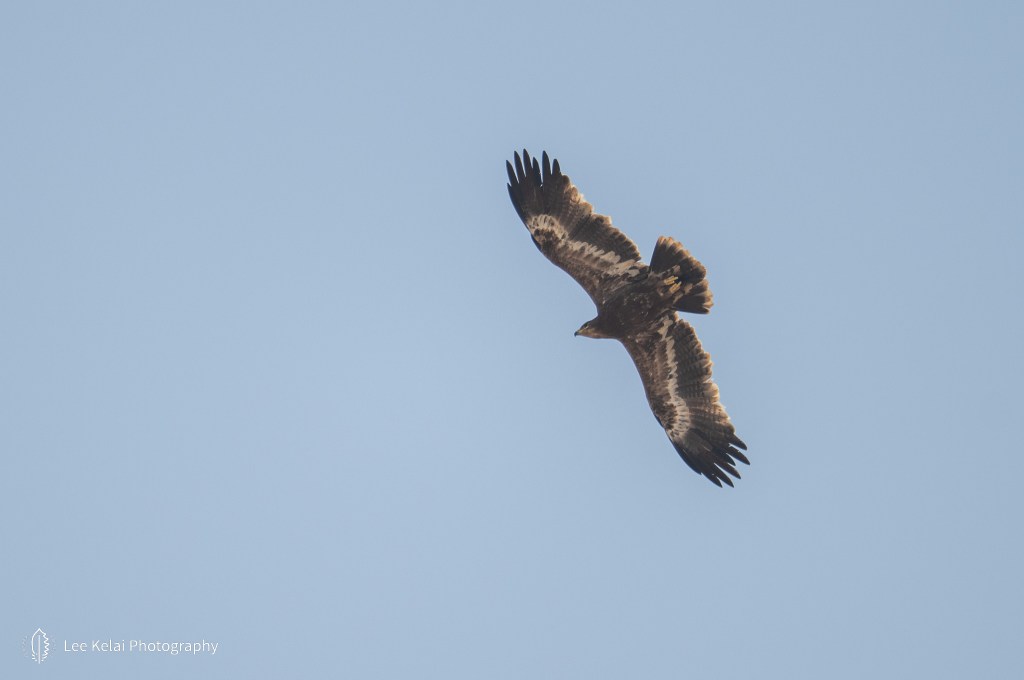
large, mixed flocks of waterfowl gathering on the reservoirs. Notable species include Tundra Swan, Whooper Swan, Ruddy Shelduck, Eurasian Wigeon, Eurasian Green-winged Teal, Red-crested Pochard, Ferruginous Duck, Baikal Teal, Falcated Duck, Common Pochard, Tufted Duck, and Smew. An afternoon excursion to Shisanling Reservoir provides additional opportunities to search for wintering raptors and passerines. Our target species include White-tailed Eagle, Eastern Buzzard, Eurasian Goshawk, Steppe Eagle, Hen Harrier, Peregrine Falcon, Siberian Accentor, Meadow Bunting, Ochre-rumped Bunting, Rustic Bunting, Naumann’s Thrush, Black-throated Thrush, and Red-flanked Bluetail.
Suitable Seasons: Summer (May–August) is ideal for observing breeding birds, while Winter (October to March) offers excellent opportunities to encounter large concentrations of waterfowl, wintering raptors, and a variety of seasonal passerines.
Option 7: Feathers & Dynasties: Birdwatching the Iconic Three Mountains & Five Gardens (Click for itinerary)
Day Tour (0.5 hour to city center) | Best Seasons: Mar-May and Aug to Oct (migrating raptors and songbirds), May-Aug (summer breeding birds)
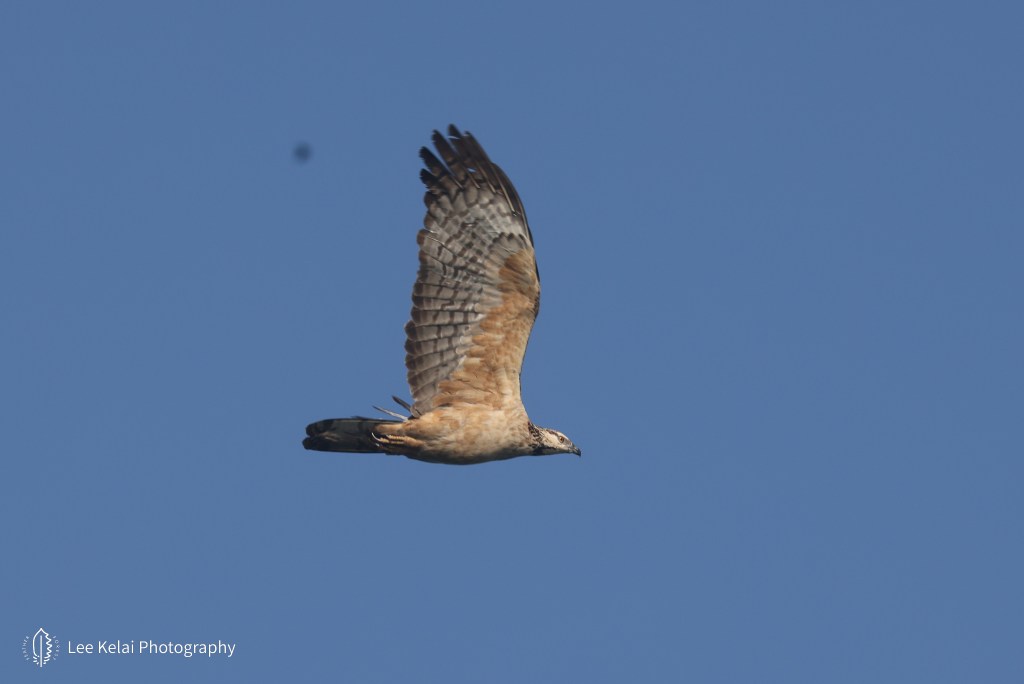
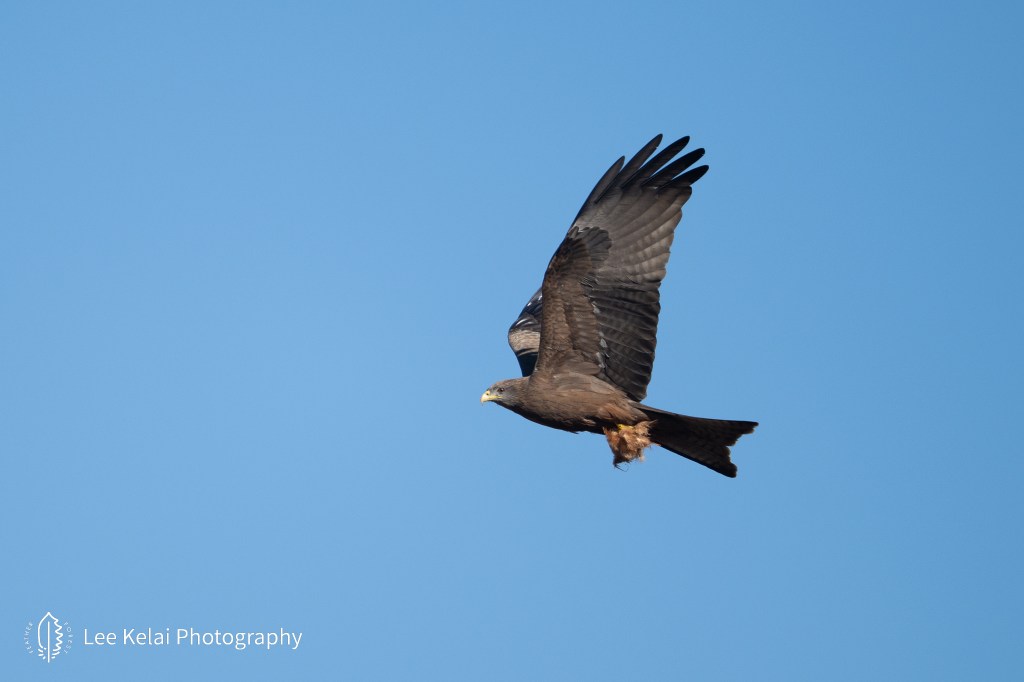
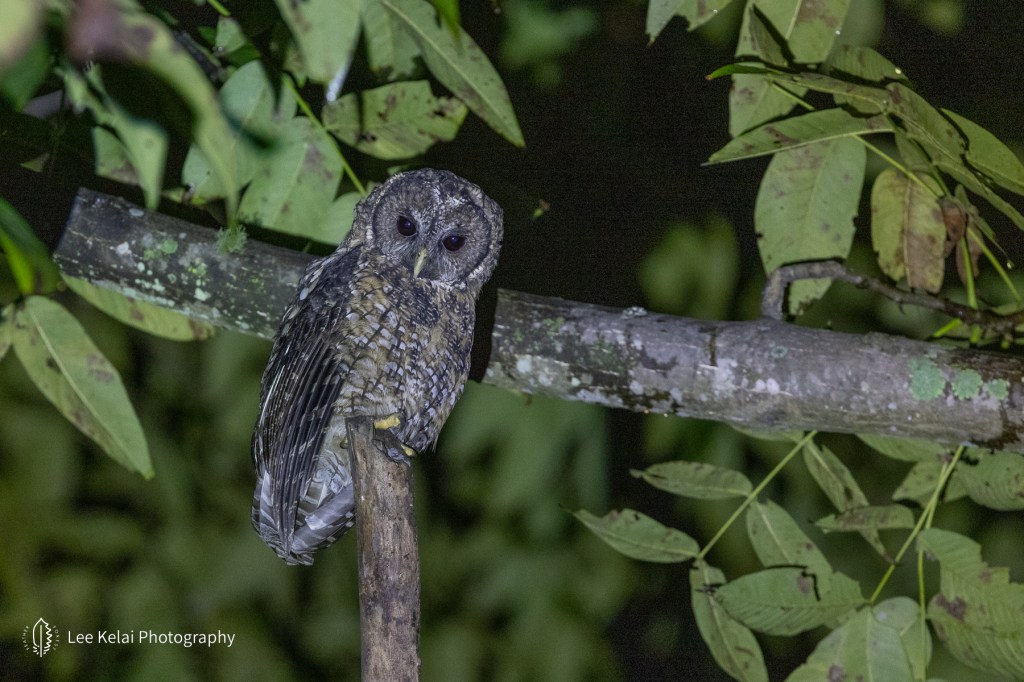
Target species: Oriental Honey-Buzzard, Gray-faced Buzzard, Eastern Buzzard, Japanese Sparrowhawk, Amur Falcon, Eurasian Kestrel, Eastern Marsh Harrier, Pied Harrier, Eurasian Goshawk, Oriental Scops-Owl, Himalayan Owl, Dollarbird, Large Hawk-Cuckoo, Long-tailed Minivet, Common Rosefinch, Gray Wagtail, Yellow-bellied Tit, Asian Tit, Chinese Blackbird.
The foothills of the Taihang Mountains in western Beijing are home to some of the city’s most celebrated imperial gardens and scenic mountain landscapes. Notable landmarks include the Summer Palace, Yuanmingyuan Gardens (Old Summer Palace), and Baiwangshan Mountain. Here, Beijing’s rich historical and cultural heritage blends seamlessly with its natural landscapes and diverse birdlife, offering a unique opportunity to explore the city’s natural beauty and centuries of history together.
During spring and autumn migration, one of the region’s most spectacular birdwatching experiences is witnessing the remarkable passage of migratory raptors over Baiwangshan Mountain. Situated at the transition between the Taihang Mountains and the North China Plain, its summit provides an excellent vantage point for observing raptors soaring on rising columns of warm air, known as thermals, during their seasonal journeys. On peak migration days, more than a thousand raptors may pass overhead, creating a truly unforgettable spectacle. Commonly encountered species include Oriental Honey-Buzzard, Black Kite, Gray-faced Buzzard, Eastern Buzzard, Japanese Sparrowhawk, Amur Falcon, Eurasian Kestrel, Eastern Marsh Harrier, Pied Harrier, and Eurasian Goshawk. With some luck, we may also spot rarer visitors such as Booted Eagle, Lesser Kestrel, Steppe Eagle, and Crested Goshawk.
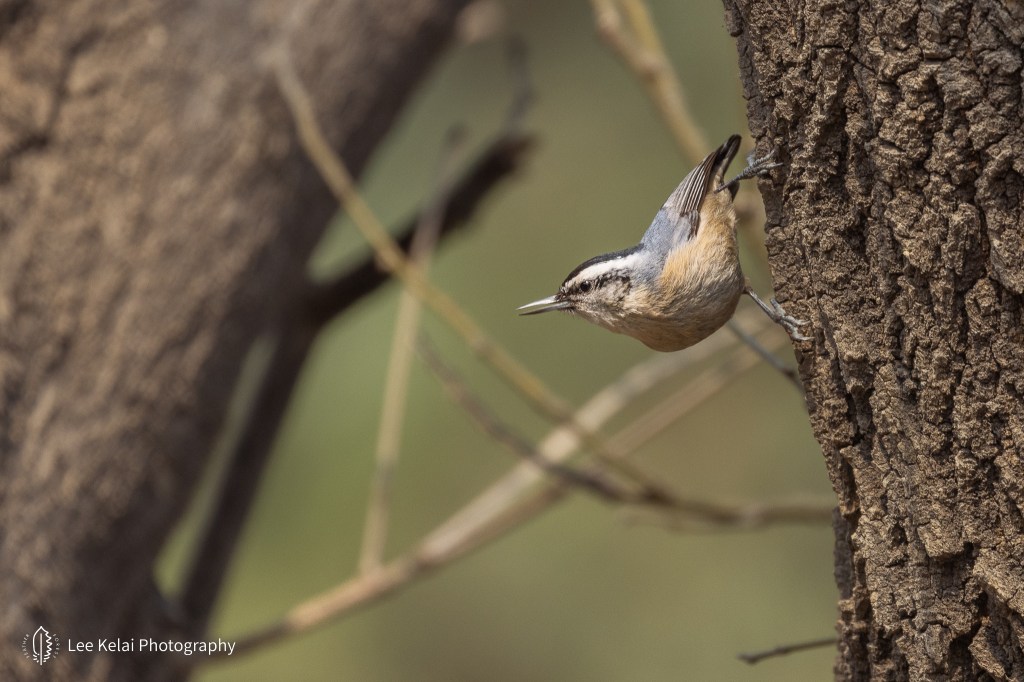
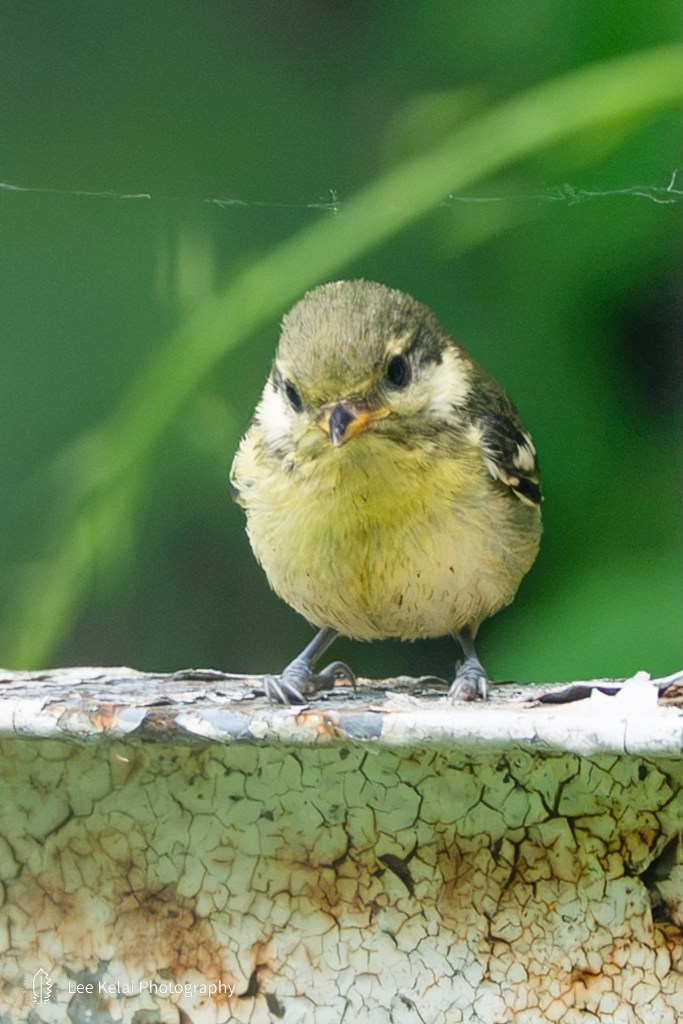
The National Botanical Garden of China, nestled in the western foothills of Beijing, is another excellent birdwatching destination throughout the year. During summer, its lush woodlands, gardens, and streams provide breeding habitats for a variety of birds, including Oriental Scops-Owl, Himalayan Owl, Dollarbird, Mandarin Duck, Large Hawk-Cuckoo, Long-tailed Minivet, Yellow-rumped Flycatcher, Common Rosefinch, and Gray Wagtail. In winter, the gardens offer opportunities to encounter Silver-throated Tit, Yellow-bellied Tit, Asian Tit, Chinese Blackbird, Daurian Redstart, Eurasian Siskin, Snowy-browed Nuthatch, Brambling, and Red Crossbill.
The Summer Palace and Yuanmingyuan Gardens (Old Summer Palace) also offer rewarding birdwatching opportunities, particularly for waterfowl, woodland birds, and wetland-breeding species such as Black-browed Reed Warbler, Oriental Reed Warbler, Vinous-throated Parrotbill, and Reed Parrotbill. Beyond their birdlife, however, these magnificent imperial gardens are best appreciated for their extraordinary cultural heritage, historic architecture, and picturesque landscapes. A visit to these sites can be seamlessly combined with birdwatching excursions to Baiwangshan Mountain and the National Botanical Garden of China, creating a memorable day tour that brings together Beijing’s rich history, scenic beauty, and remarkable avian diversity.
Suitable Seasons: Spring (April-May) and autumn (September to October) are ideal for observing migratory raptors, while summer (May to August) offers excellent opportunities to see breeding songbirds and woodland species.
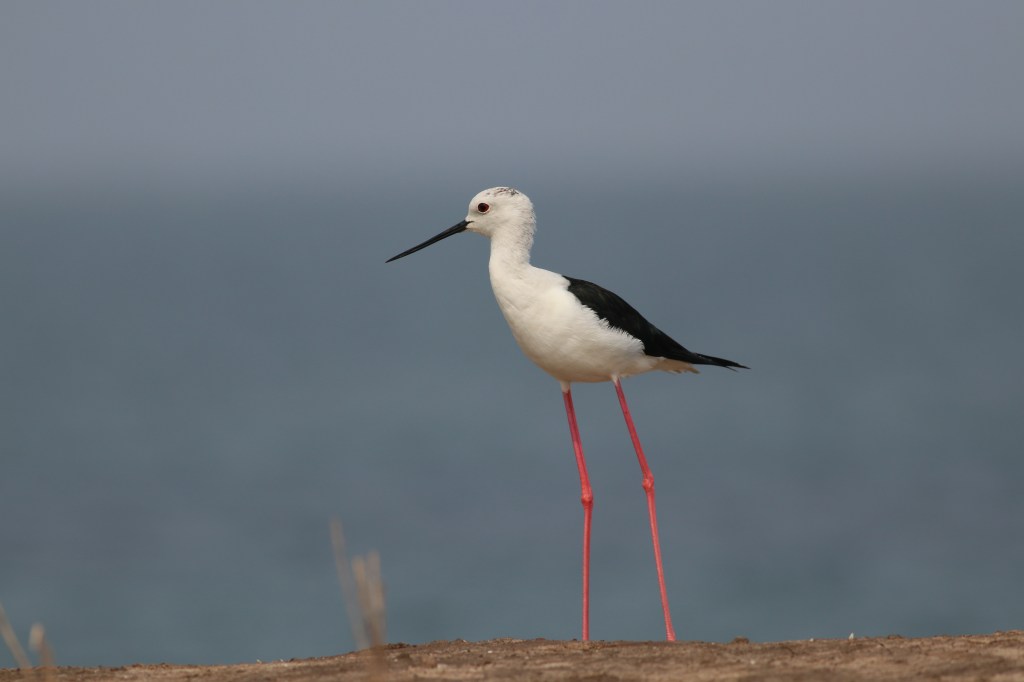
Option 8: Coastal Flyway Spectacle: Chasing Migrants in Tianjin (Click for itinerary)
Day Tour (2 hours to city center, with the possiblity to extend into a 2-3 day excursion) | Best Seasons: Mar-May and Aug to Oct (migrating shorebirds and songbirds), Nov-Dec (winter waterfowl and raptors)
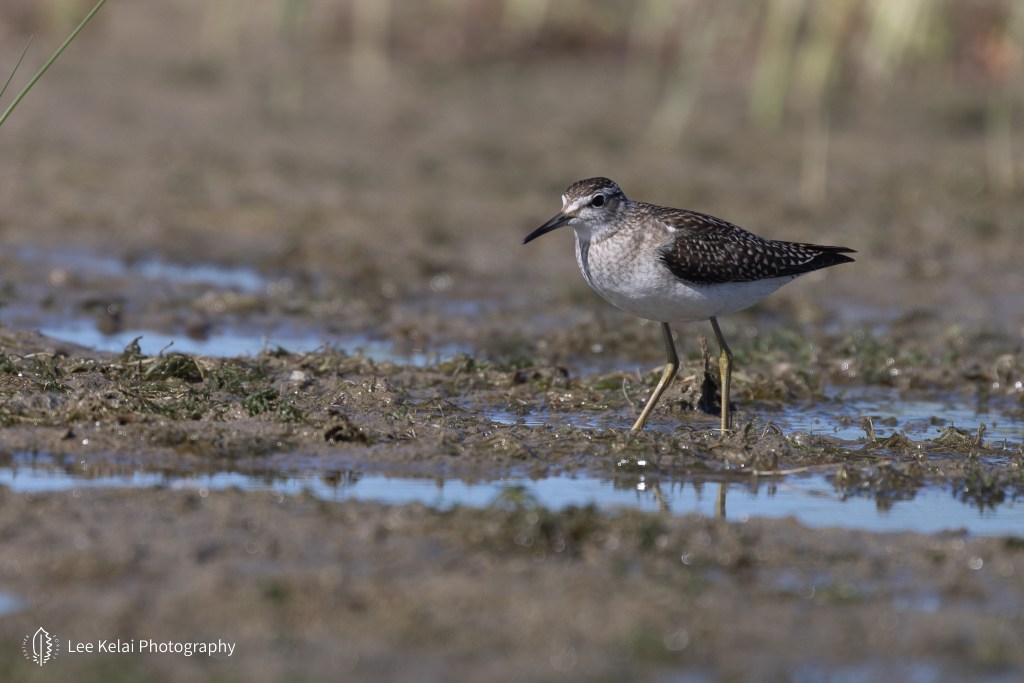
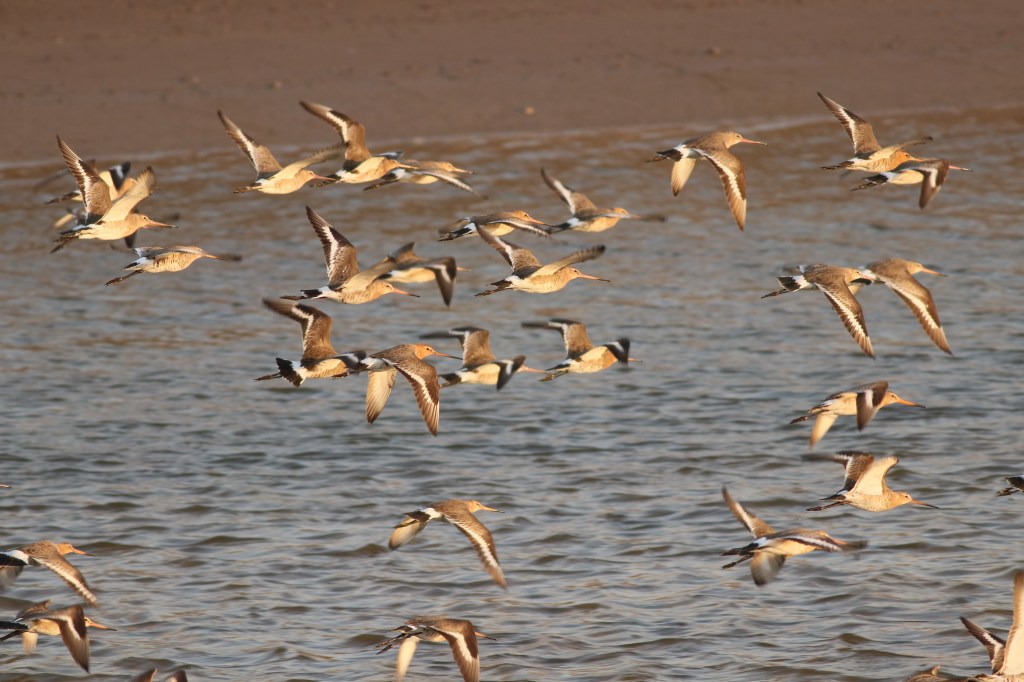
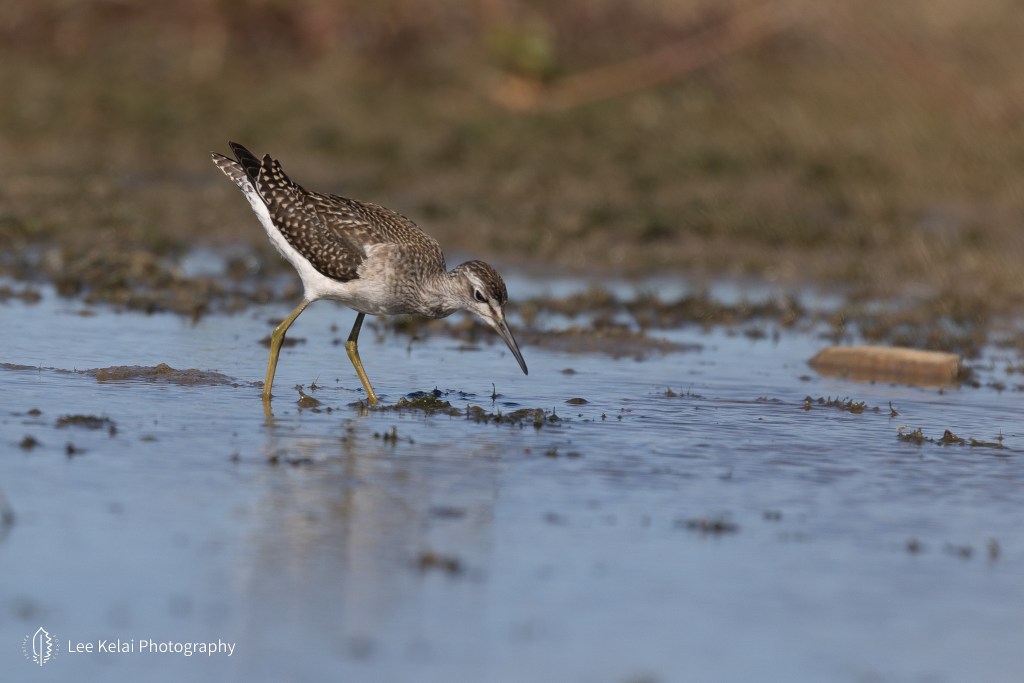
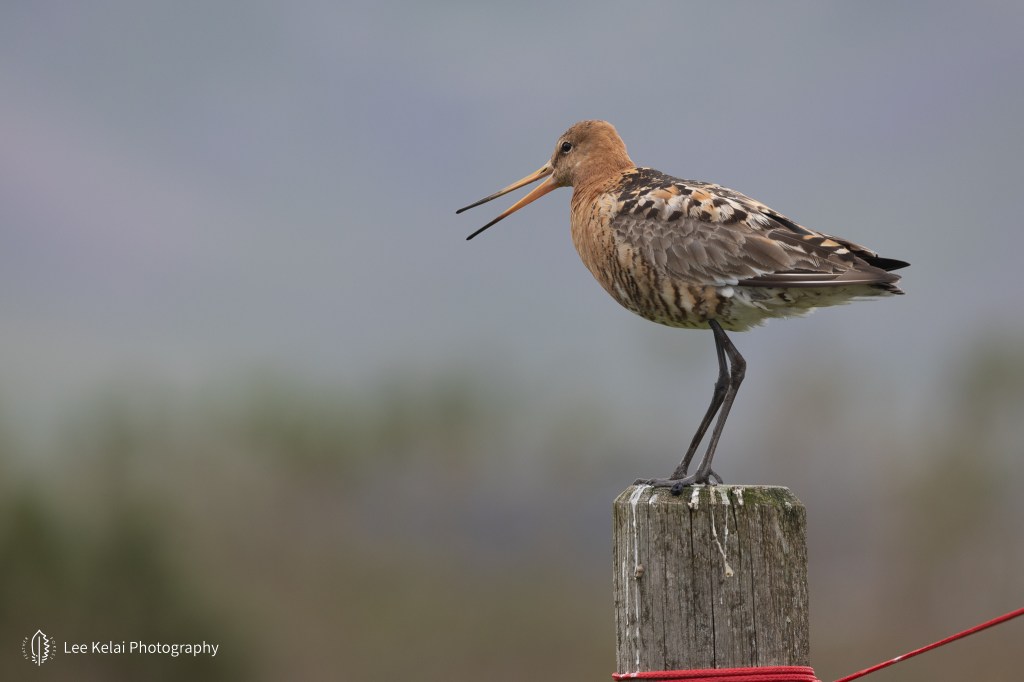
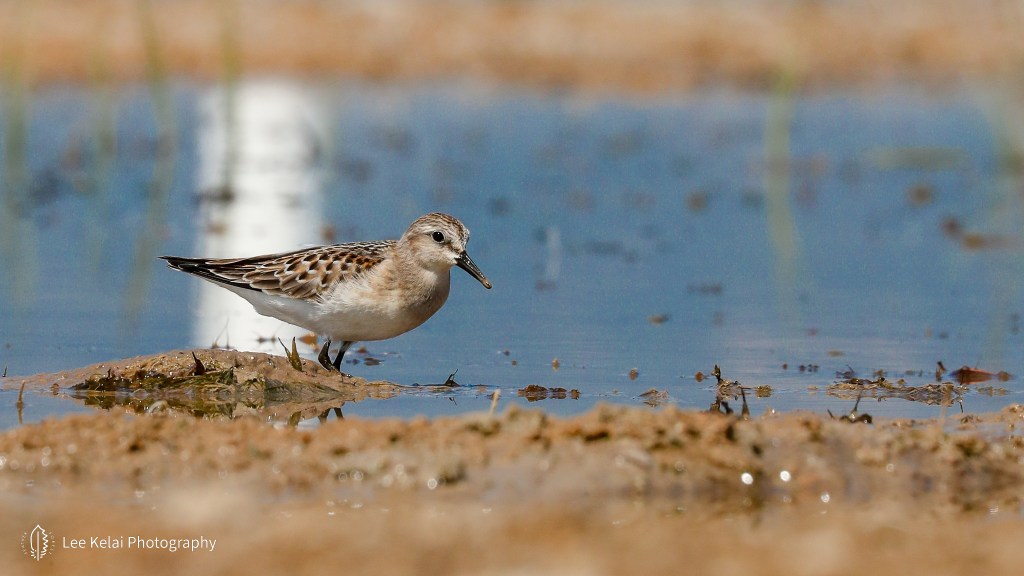
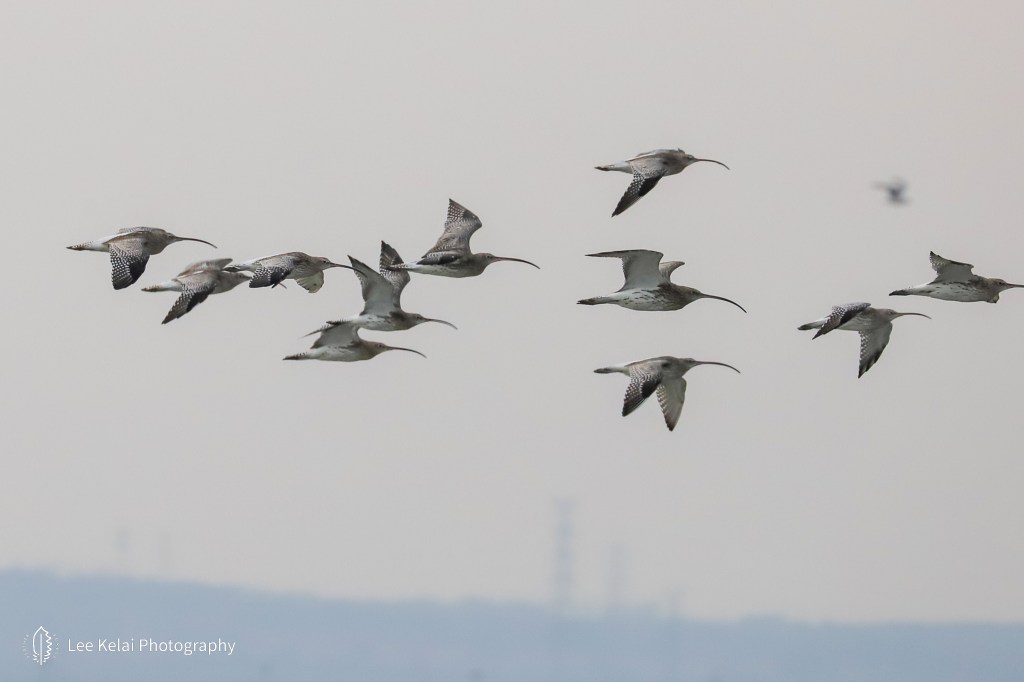
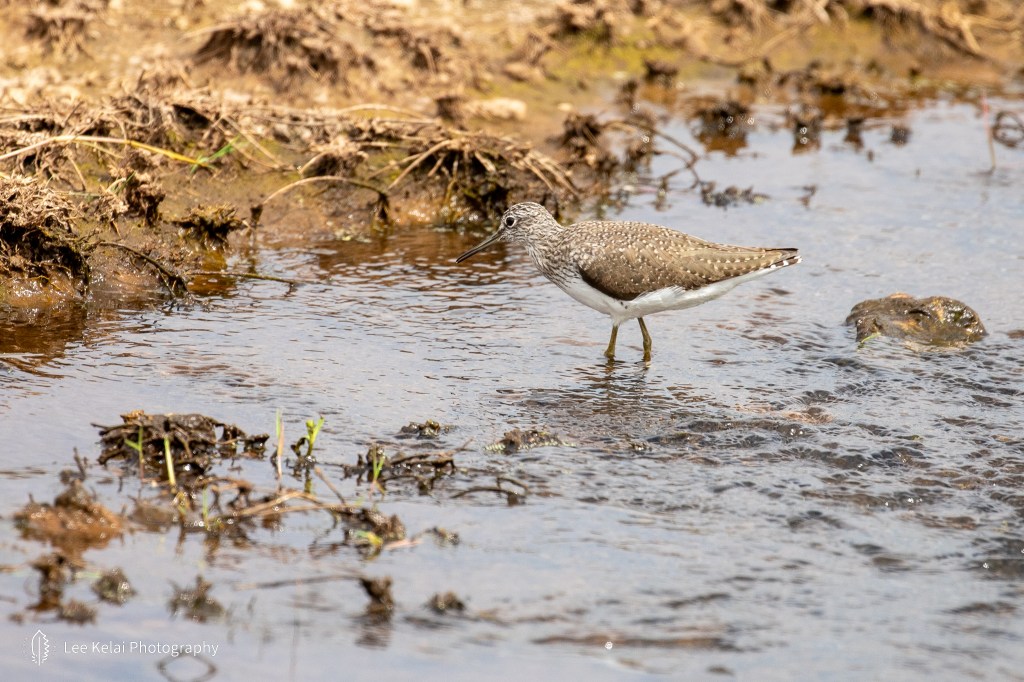
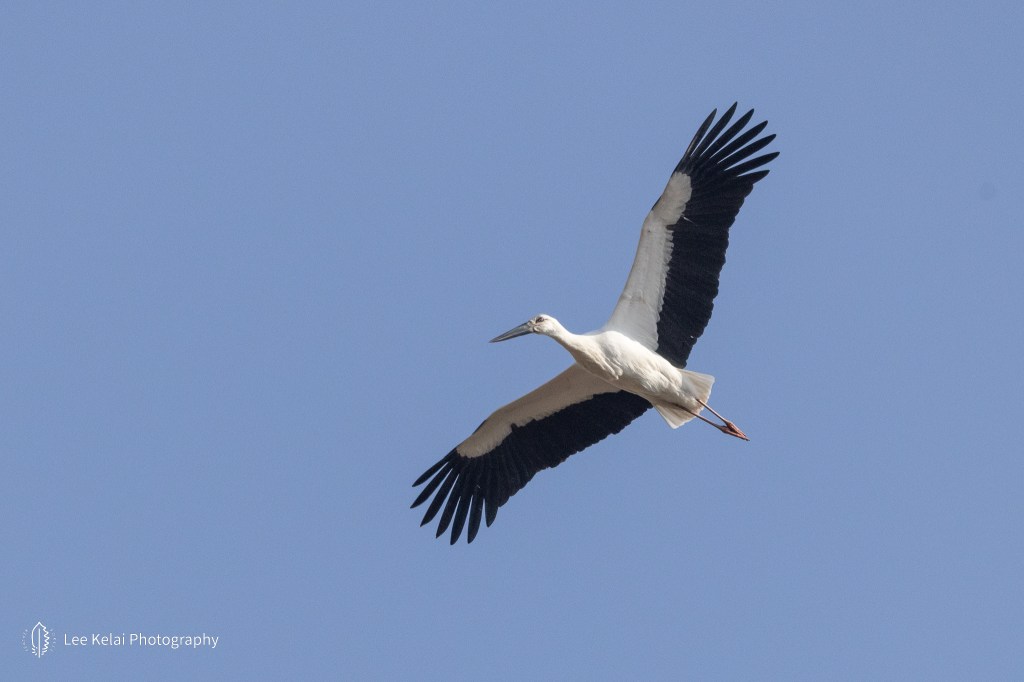
Target species: Siberian Sand-Plover, Far Eastern Curlew, Asian Dowitcher, Broad-billed Sandpiper, Terek Sandpiper, Black-tailed Godwit, Wood Sandpiper, Sharp-tailed Sandpiper, Curlew Sandpiper, Little Stint, Red-necked Stint, Temminck’s Sandpiper, Relict Gull, Saunders’s Gull, Whiskered Tern, Siberian Blue Robin, Radde’s Warbler, Chestnut Bunting, Amur Falcon, Oriental Stork, Smew.
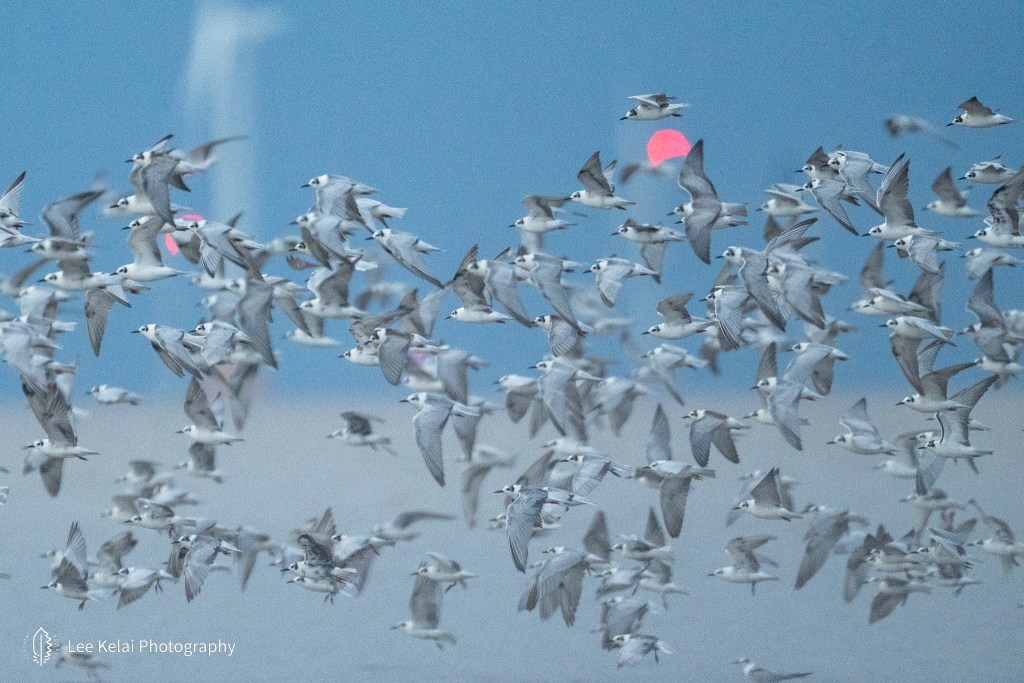
Although Beijing is located inland, the shores of Bohai Bay are only about a two-hour drive from the city. This vast coastal region is one of East Asia’s most important stopover sites for migratory shorebirds along the East Asian–Australasian Flyway. During peak migration seasons, the coastal wetlands of Tianjin attract enormous flocks of plovers, sandpipers, stilts, and godwits, alongside a remarkable diversity of migratory songbirds traveling along the coastline or crossing the Bohai Sea.
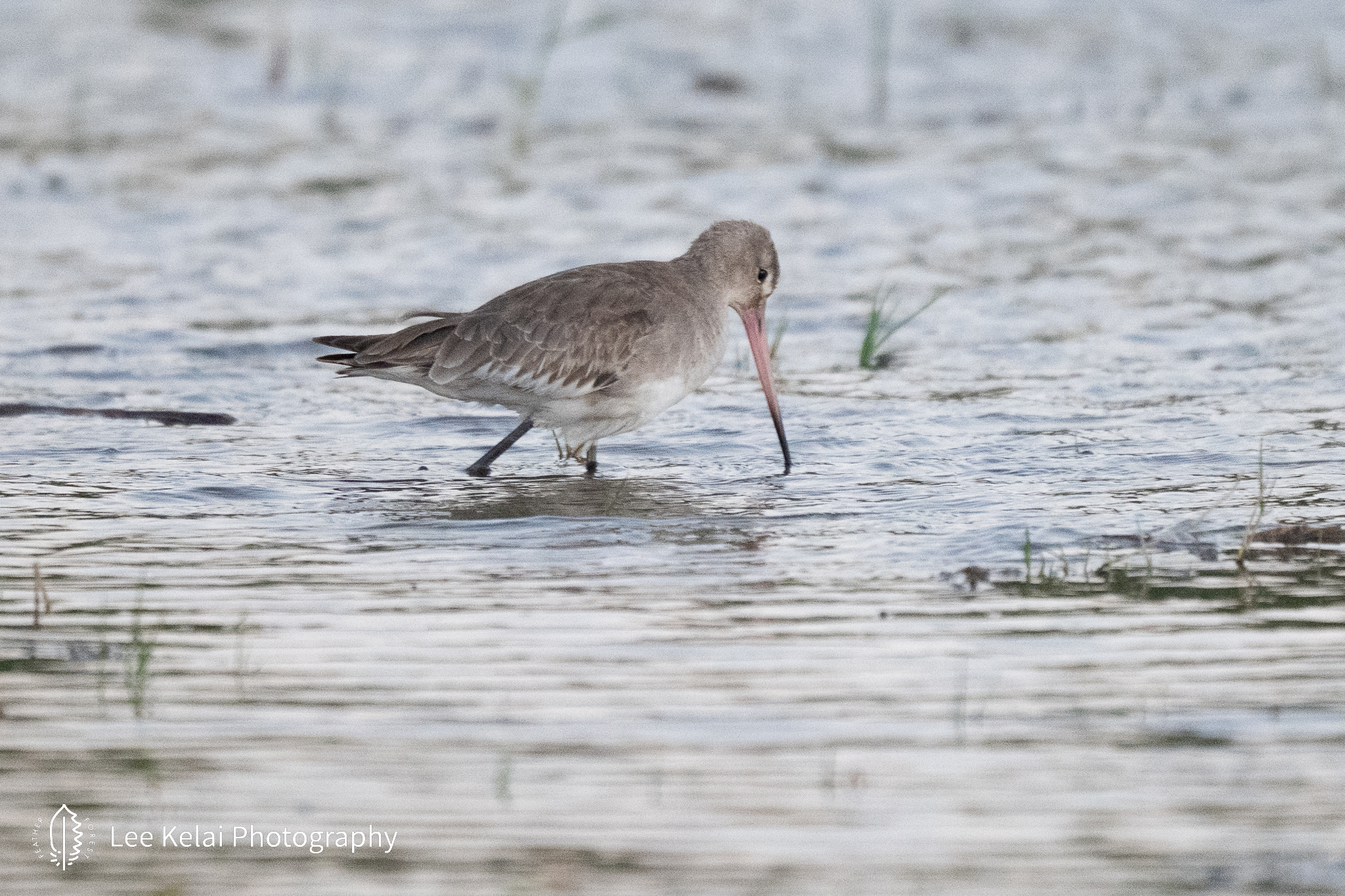
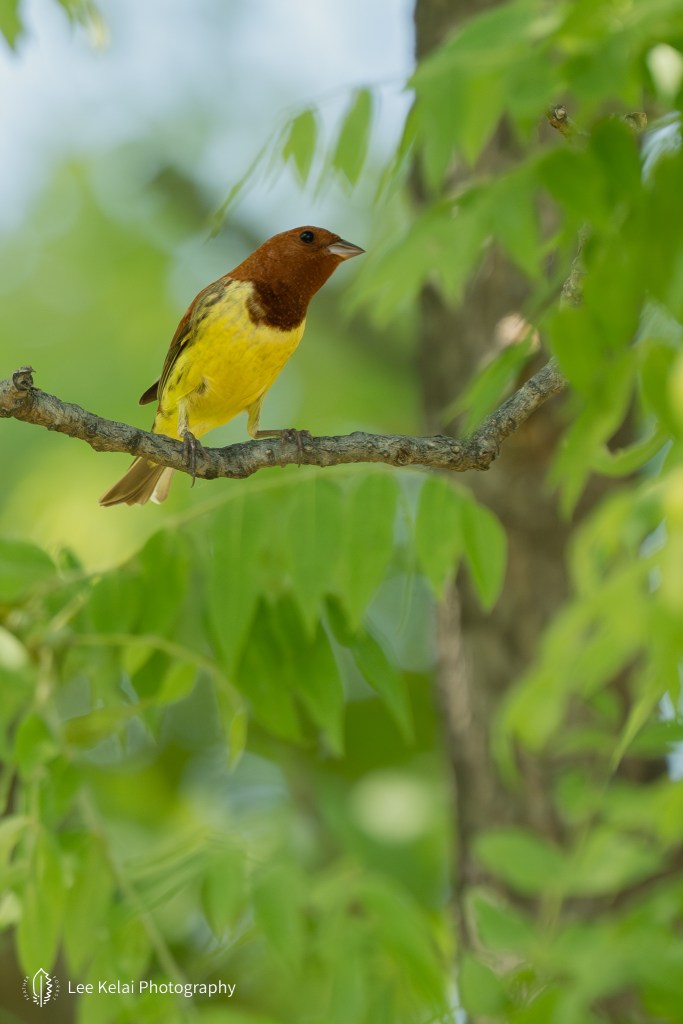
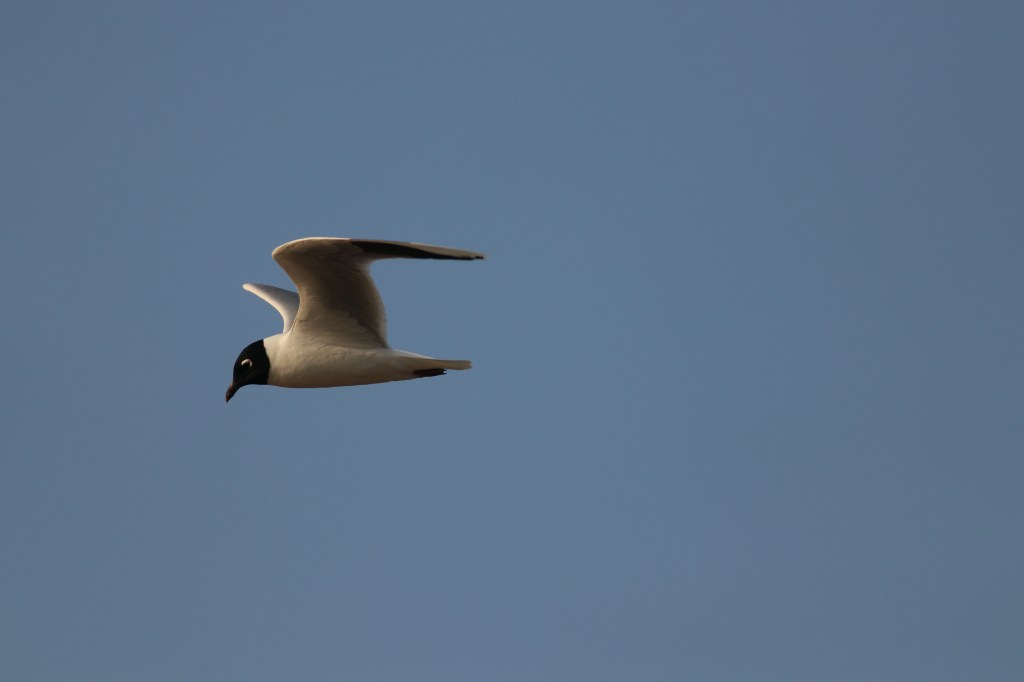
We will depart from Beijing early in the morning and head toward Dashentang Village on the Tianjin coast. Depending on the day’s tidal conditions, we will begin our exploration either on the coastal mudflats and inland ponds, where shorebirds gather to feed, or in the scattered coastal woodlands that provide essential resting and feeding habitats for exhausted migratory songbirds. Our main shorebird targets include Black-winged Stilt, Pied Avocet, Siberian Sand-Plover, Kentish Plover, Far Eastern Curlew, Eurasian Curlew, Asian Dowitcher, Broad-billed Sandpiper, Terek Sandpiper, Black-tailed Godwit, Wood Sandpiper, Sharp-tailed Sandpiper, Curlew Sandpiper, Little Stint, Red-necked Stint, and Temminck’s Sandpiper. The coastal wetlands also offer excellent opportunities to observe a diverse assemblage of gulls and terns, including Relict Gull, Black-tailed Gull, Saunders’s Gull, Little Tern, Caspian Tern, White-winged Tern, Whiskered Tern, and Gull-billed Tern.
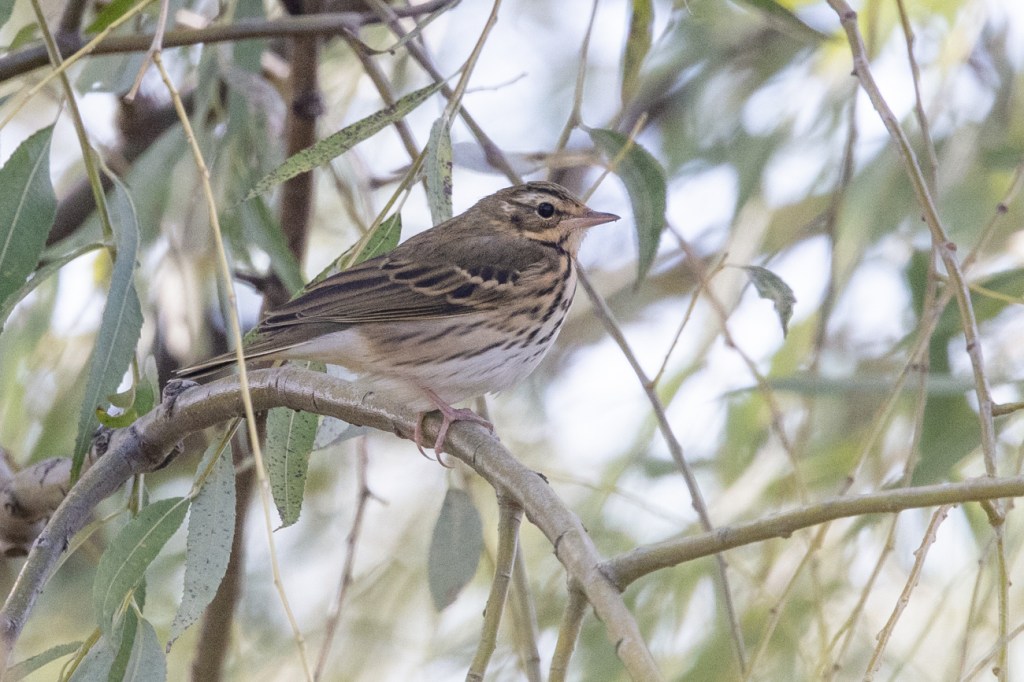
For migratory songbirds, we will visit Sajintuo, an abandoned coastal village renowned among birdwatchers as a stopover site for woodland migrants. Its scattered trees and shrubs provide vital shelter for birds resting during their long migrations. Here, we will search for an impressive variety of species, including Siberian Blue Robin, Green-backed Flycatcher, Arctic Warbler, Chestnut-flanked White-eye, Swinhoe’s White-eye, Pale Thrush, Chinese Thrush, Dusky Warbler, Radde’s Warbler, Brown Shrike, Two-barred Warbler, Asian Brown Flycatcher, Olive-backed Pipit, Ashy Minivet, Gray-streaked Flycatcher, Siberian Rubythroat, Chestnut Bunting, and Tristram’s Bunting. Woodland-associated raptors and owls, such as Japanese Sparrowhawk, Amur Falcon, and Oriental Scops-Owl, may also be encountered.
A rewarding day of birdwatching along the Tianjin coast during peak migration can produce more than 100 bird species, making it one of the most exciting birding excursions from Beijing. For those seeking an even more comprehensive experience, the itinerary can be extended into a two- or three-day tour, incorporating the extensive coastal wetlands of Nanpu in neighboring Tangshan. This additional excursion offers further opportunities to encounter rare shorebirds, migratory songbirds, and other coastal specialties.
In early spring (March) and late autumn (October–November), Beidagang Reservoir in Tianjin is another outstanding destination for migratory waterfowl. Its expansive wetlands and open waters attract large concentrations of ducks, geese, and other waterbirds during seasonal migration. In addition to the widespread migratory waterfowl of northern China, notable species to search for include Oriental Stork, Mute Swan, Dalmatian Pelican, Garganey, Ferruginous Duck, and Smew. The surrounding reedbeds and marshlands also provide excellent opportunities to observe a variety of migrating raptors.
Suitable Seasons: Spring (March–May) and autumn (August–November) are ideal for observing migratory shorebirds and songbirds, while early spring and late autumn are particularly rewarding for waterfowl migration.


