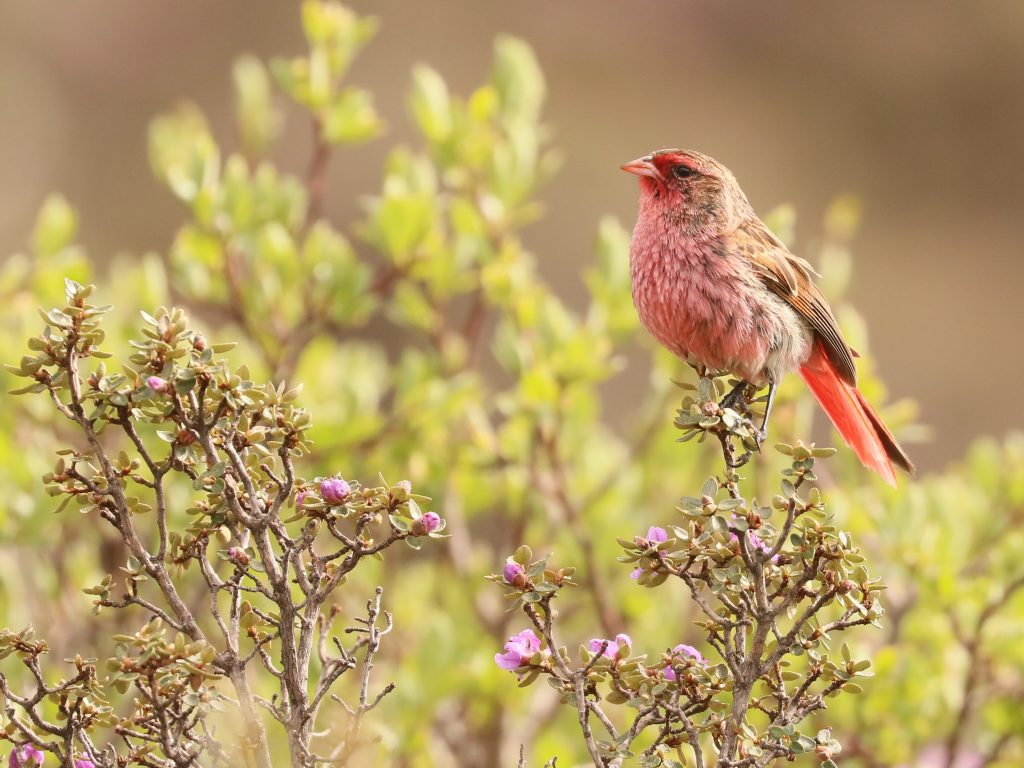
Qinghai: Endemic Birds
from Xining to Yushu
Qinghai Plateau: Endemic Birds from Xining to Yushu
9 Day Tour | Kelai Lee
Recommended Season: May – Oct
2027 Tour Price: $3,890 (1-3 participants)
$3,190 (4+ participants)
2027 Single Room Supplement: $850
2028 Tour Price: TBD
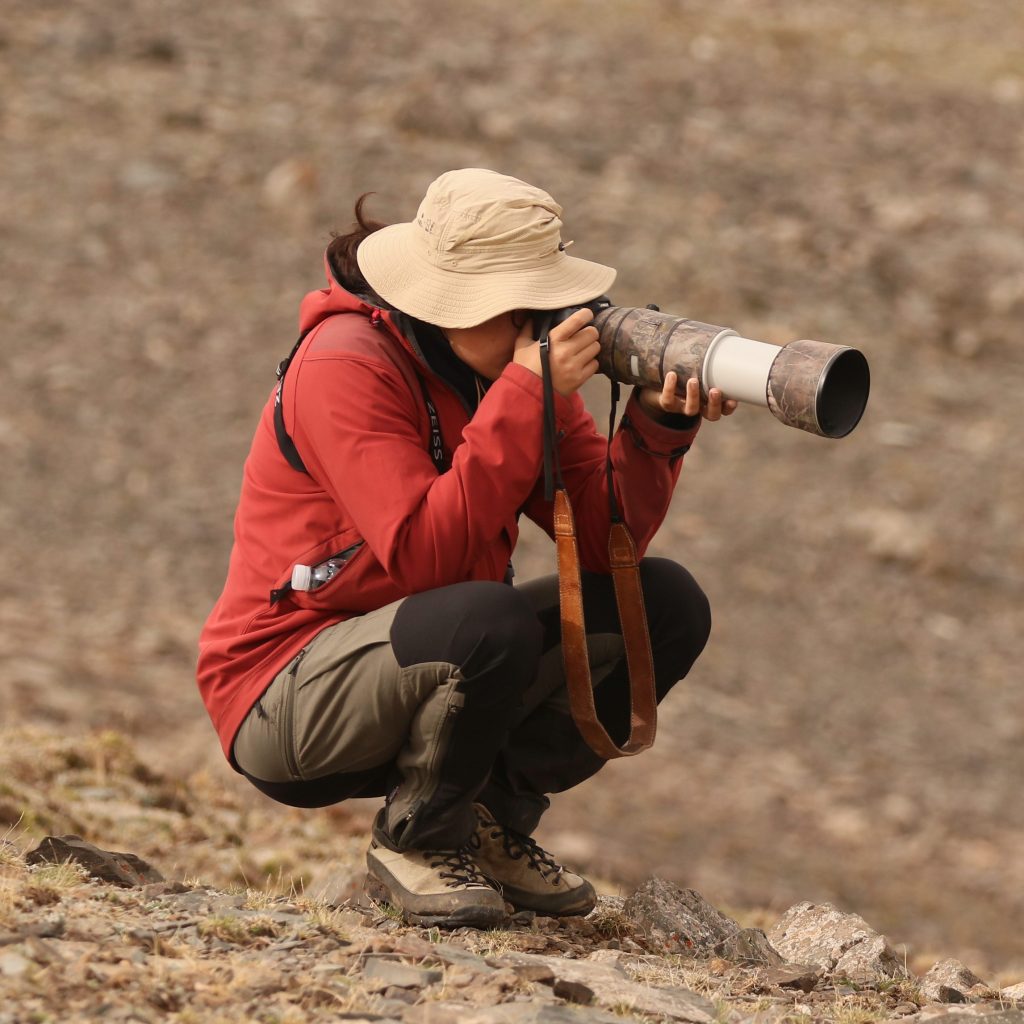
Leader:
Kelai Lee
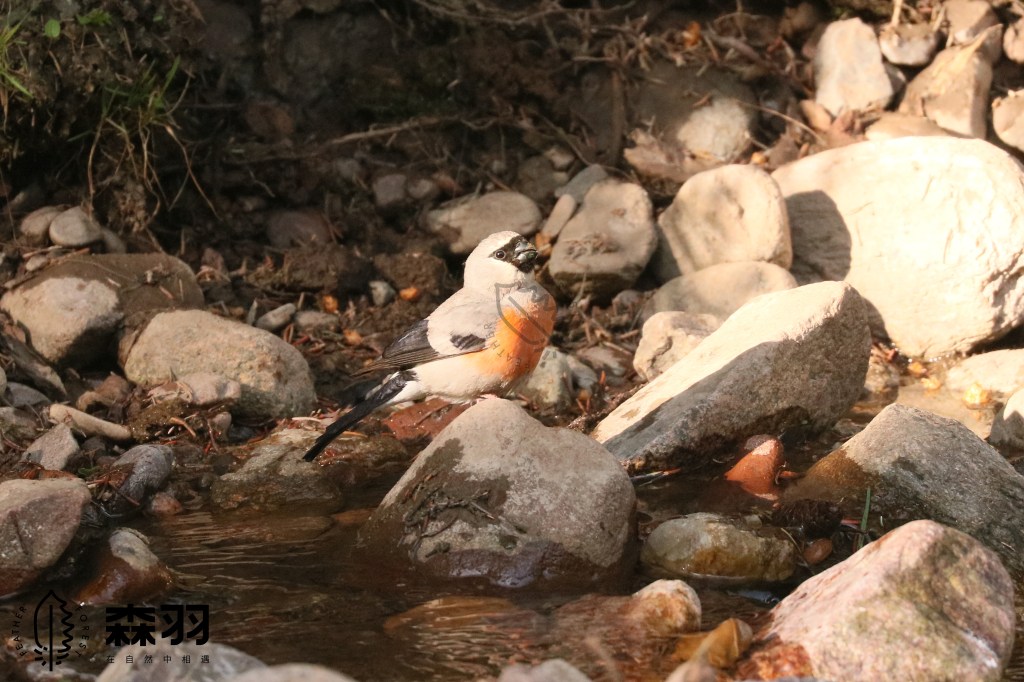
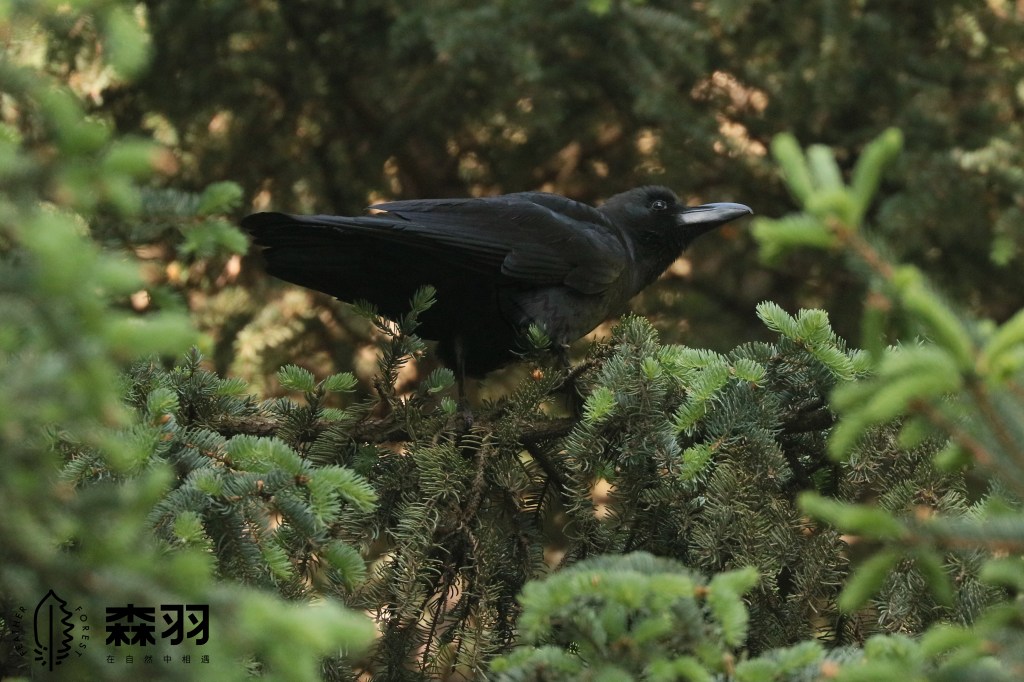
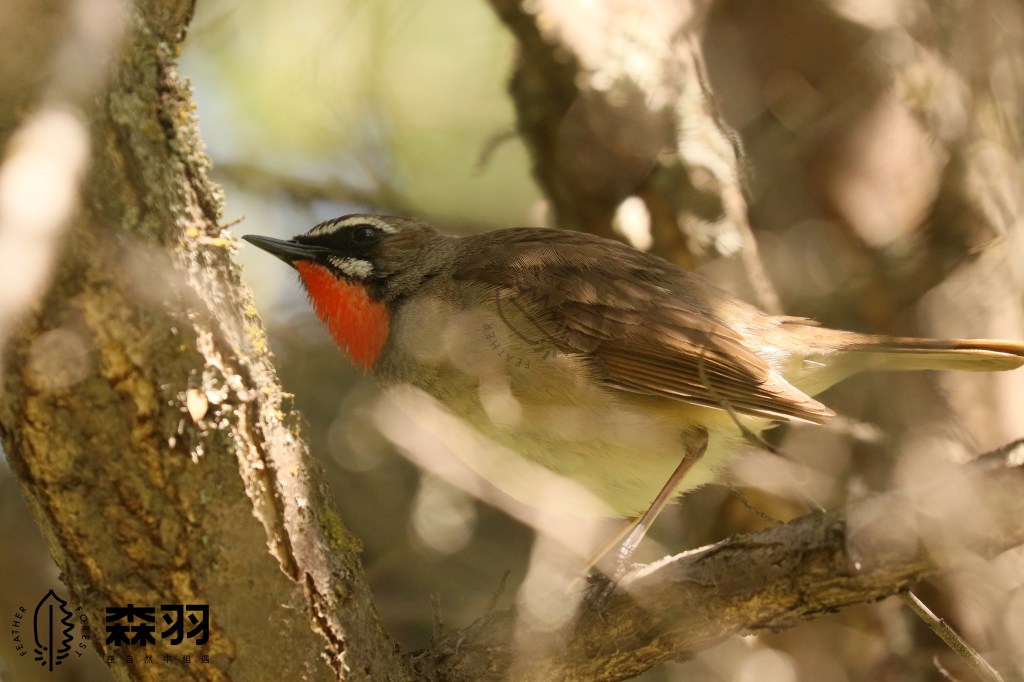
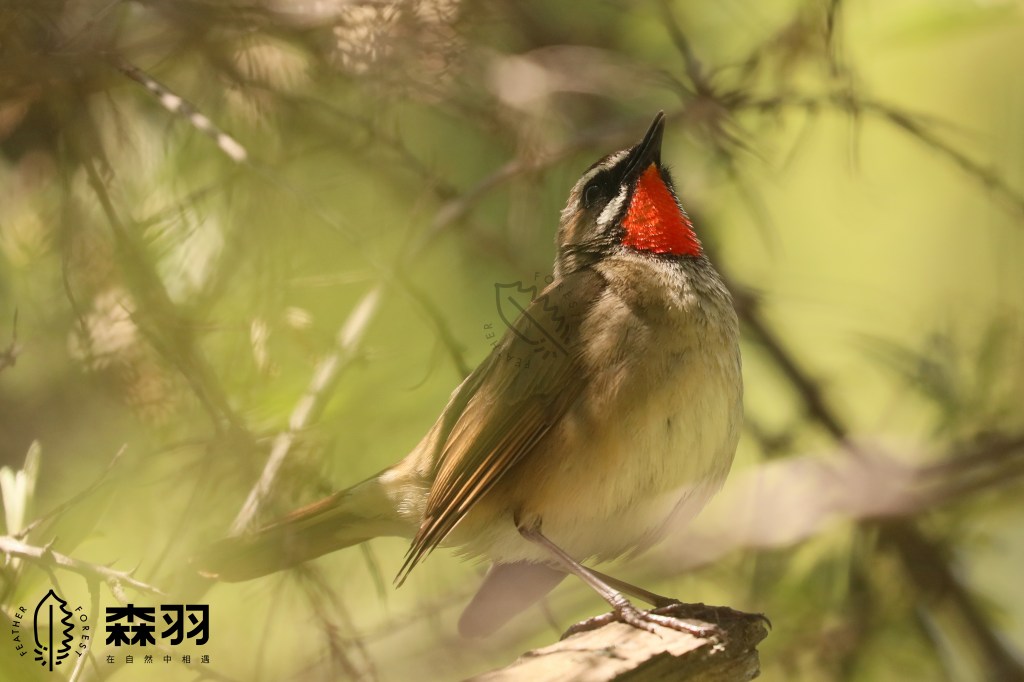
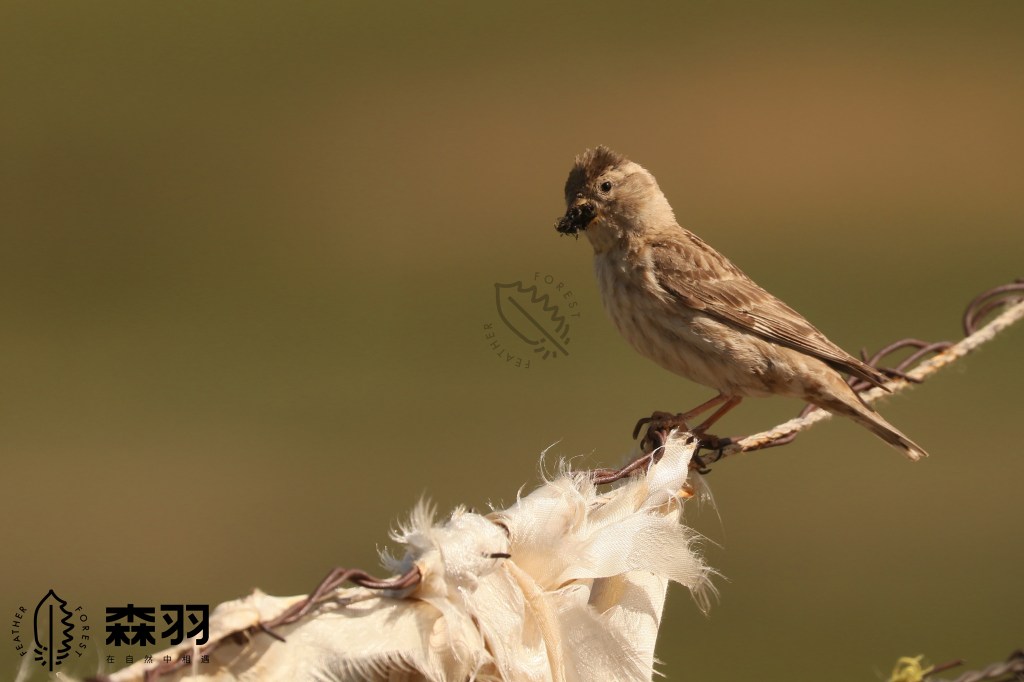
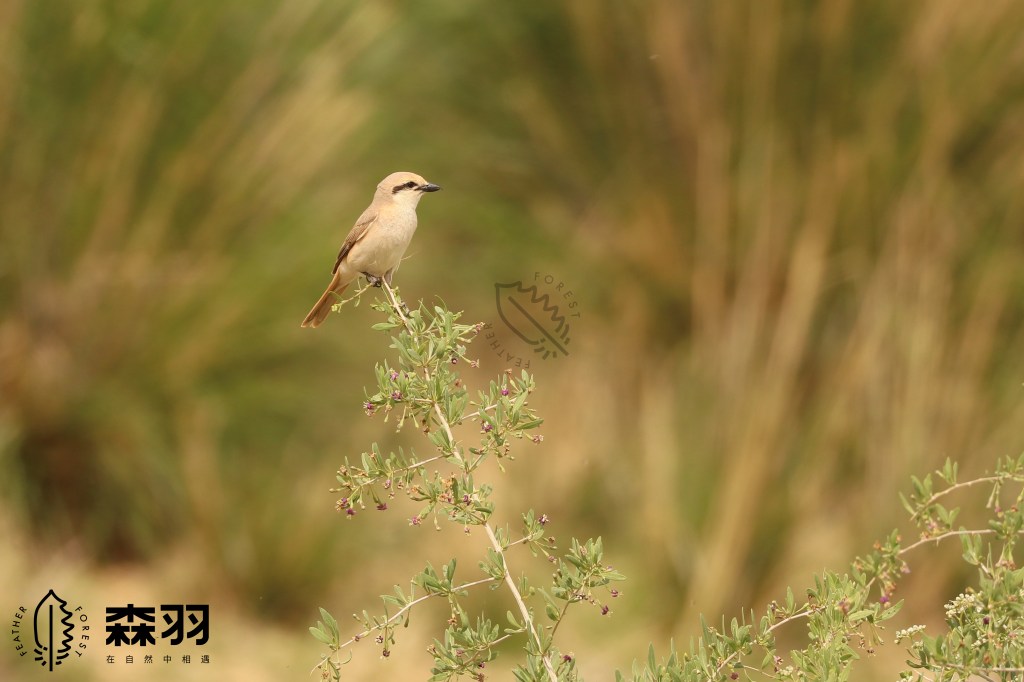
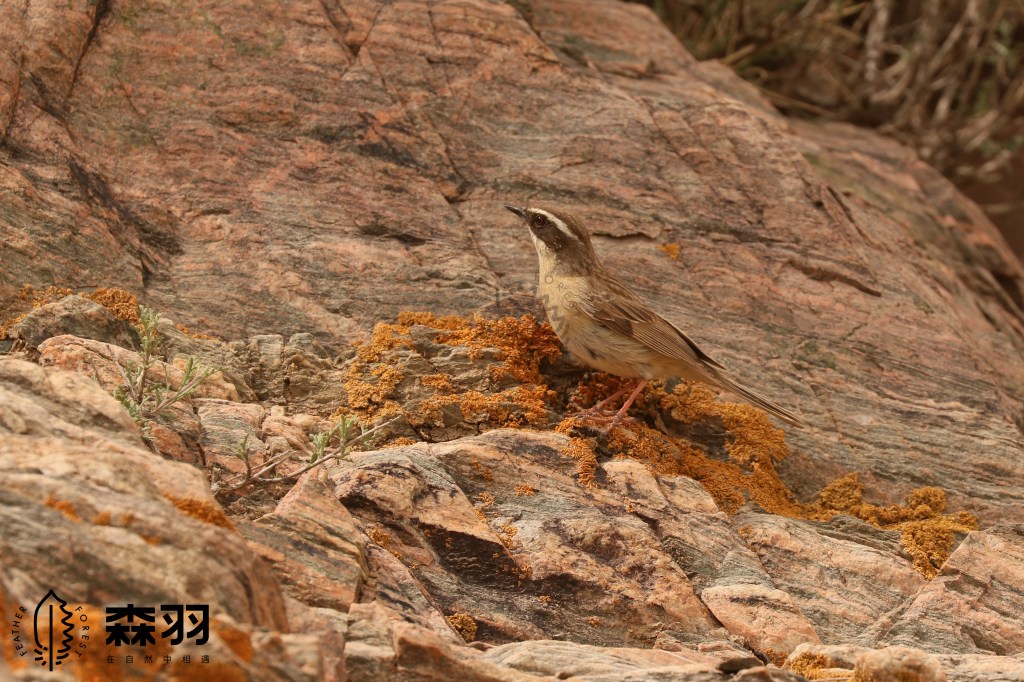
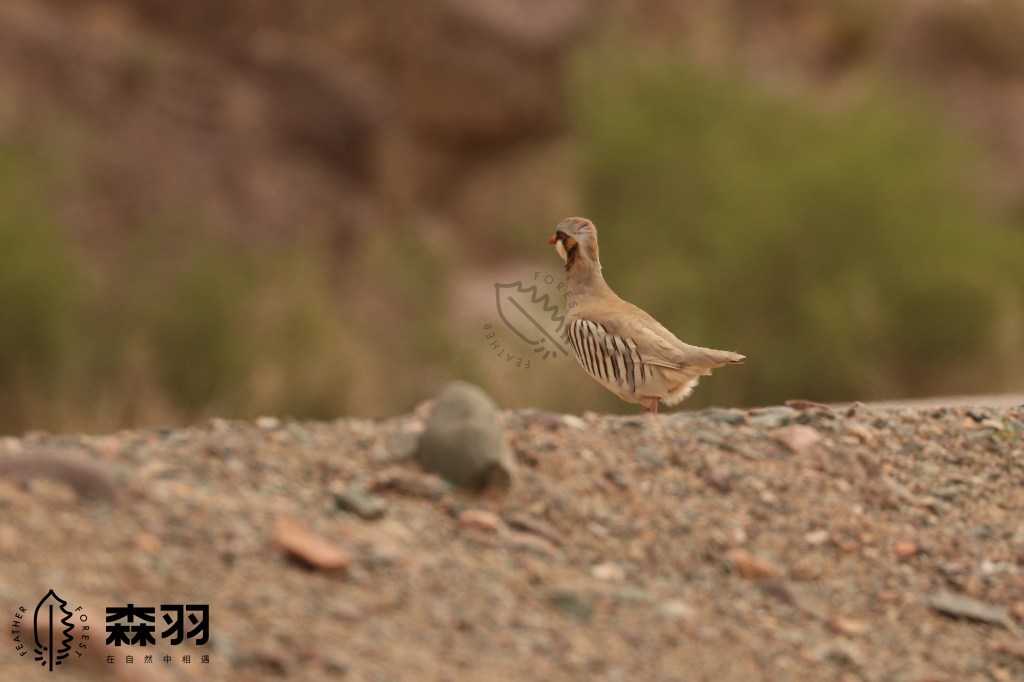
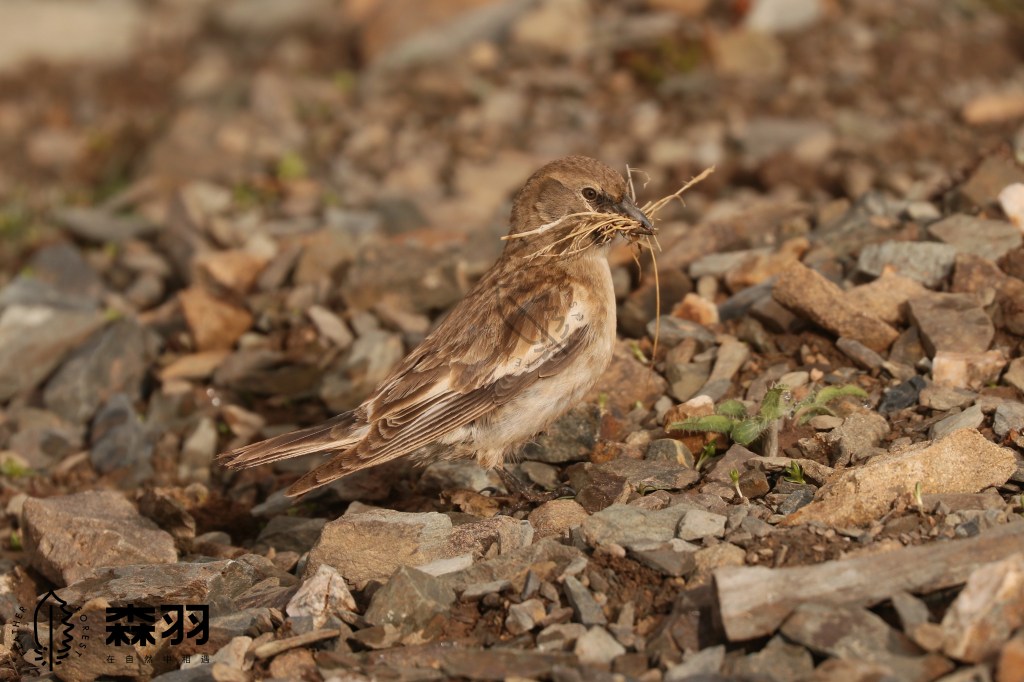
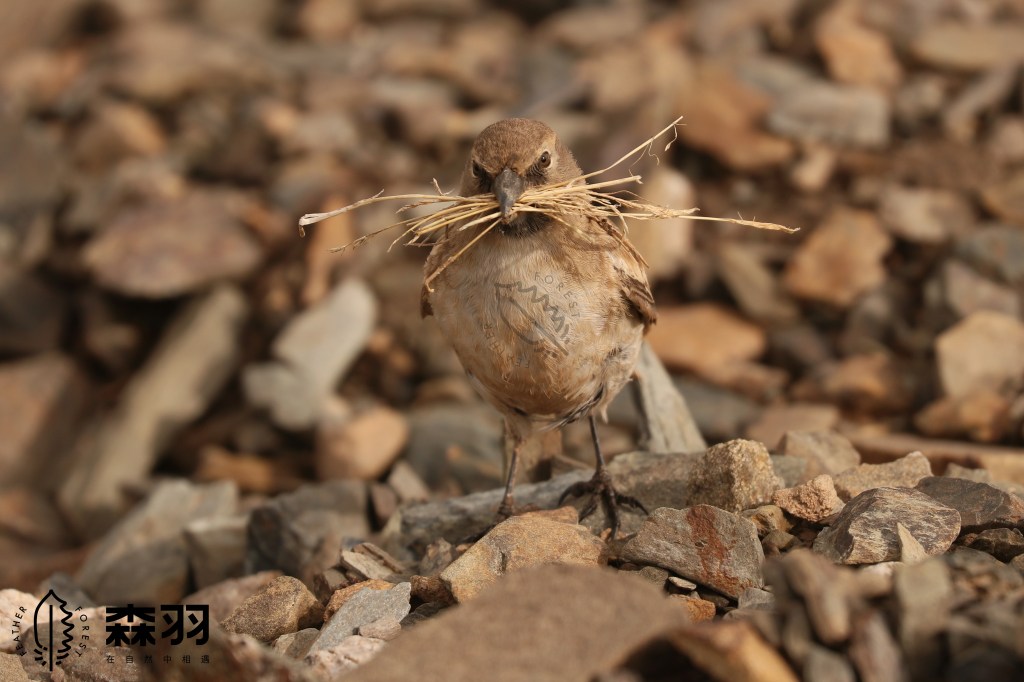
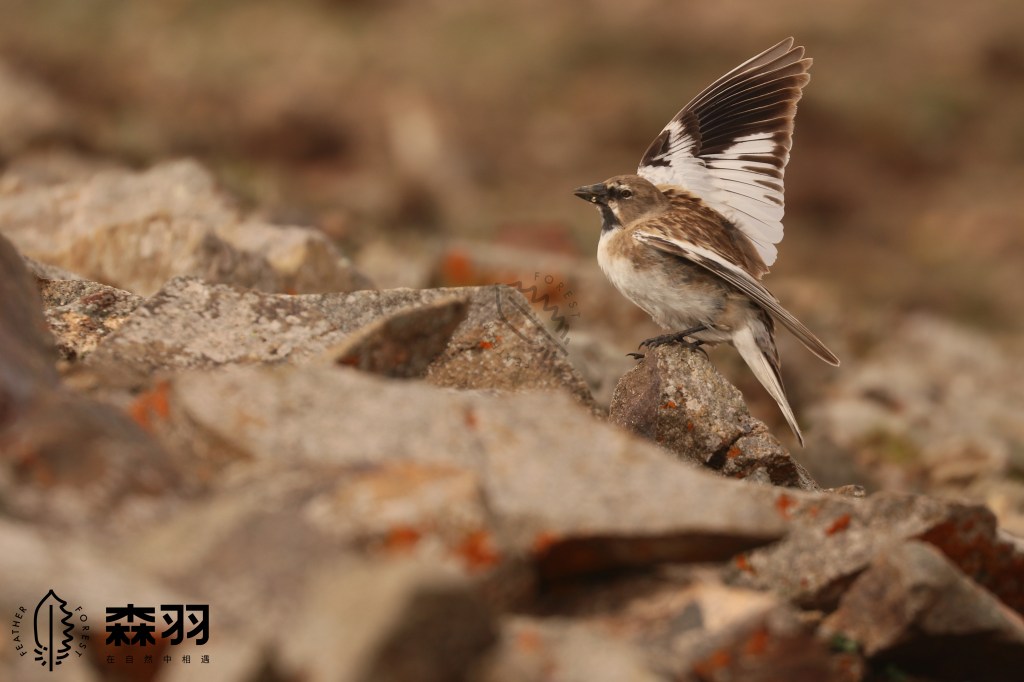
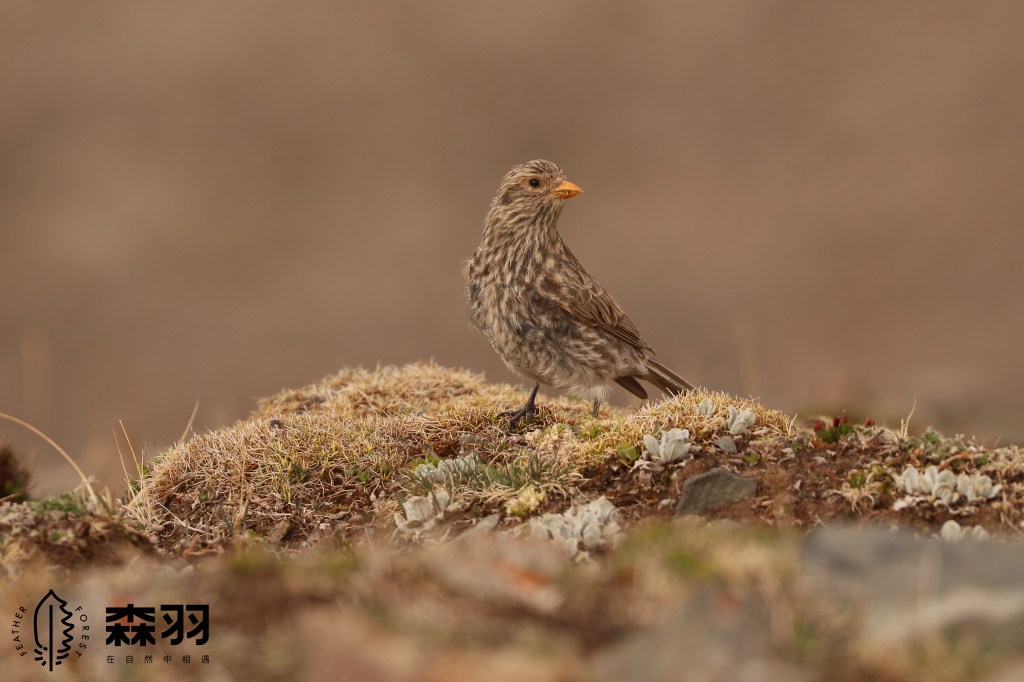
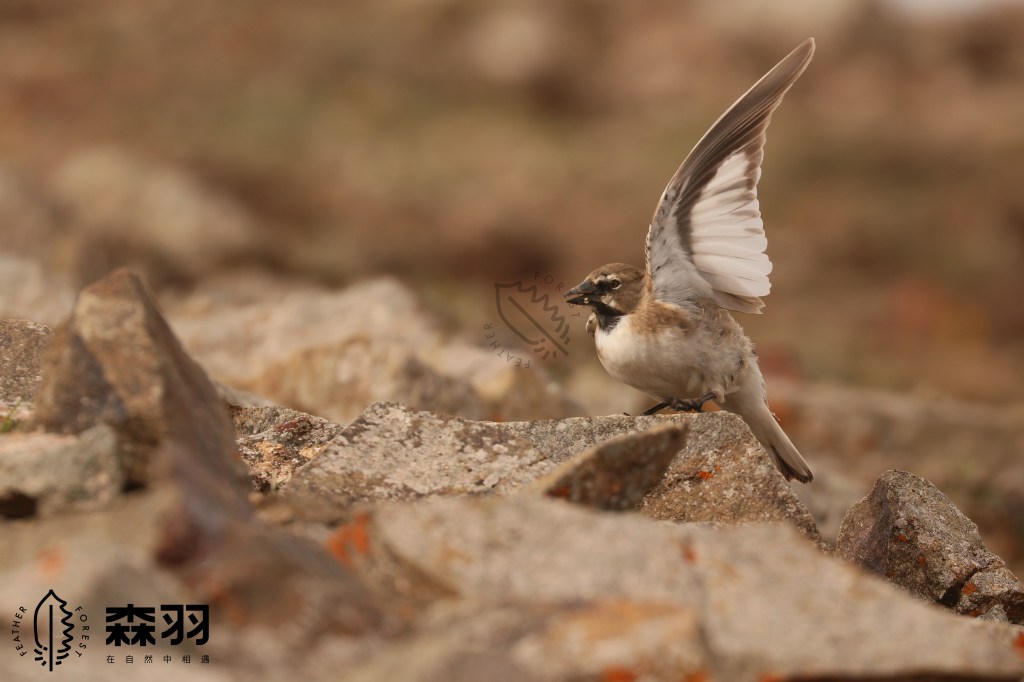
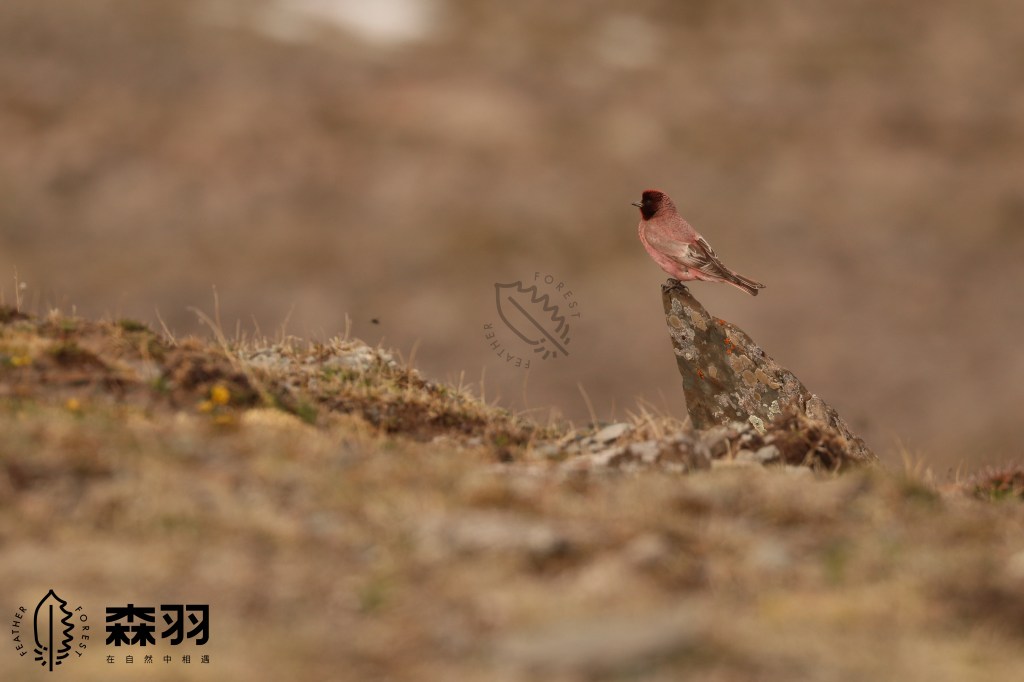
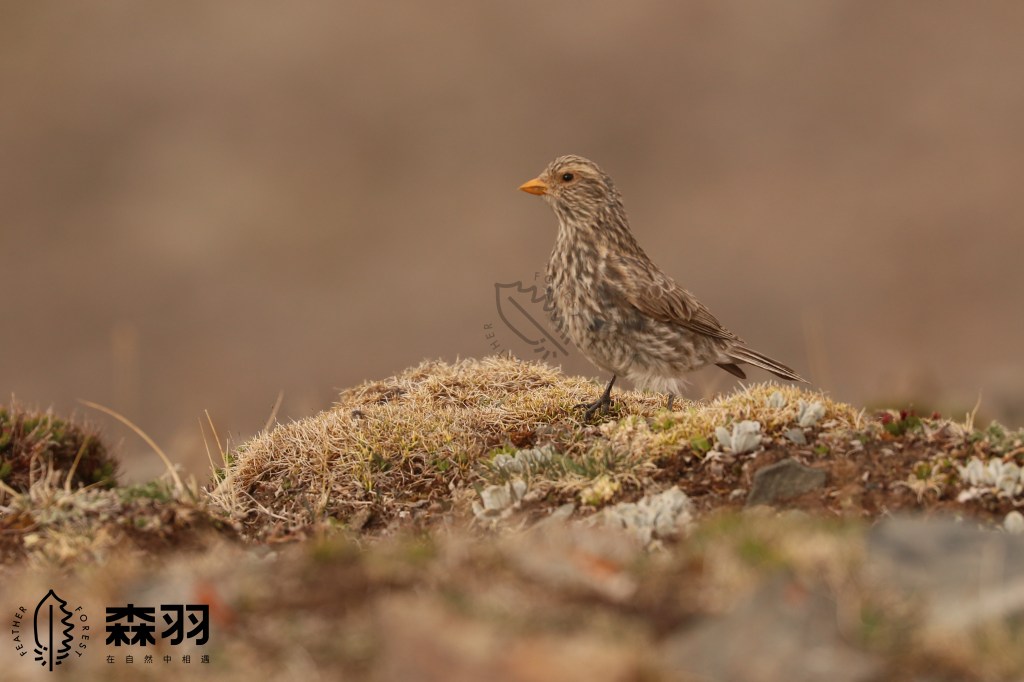
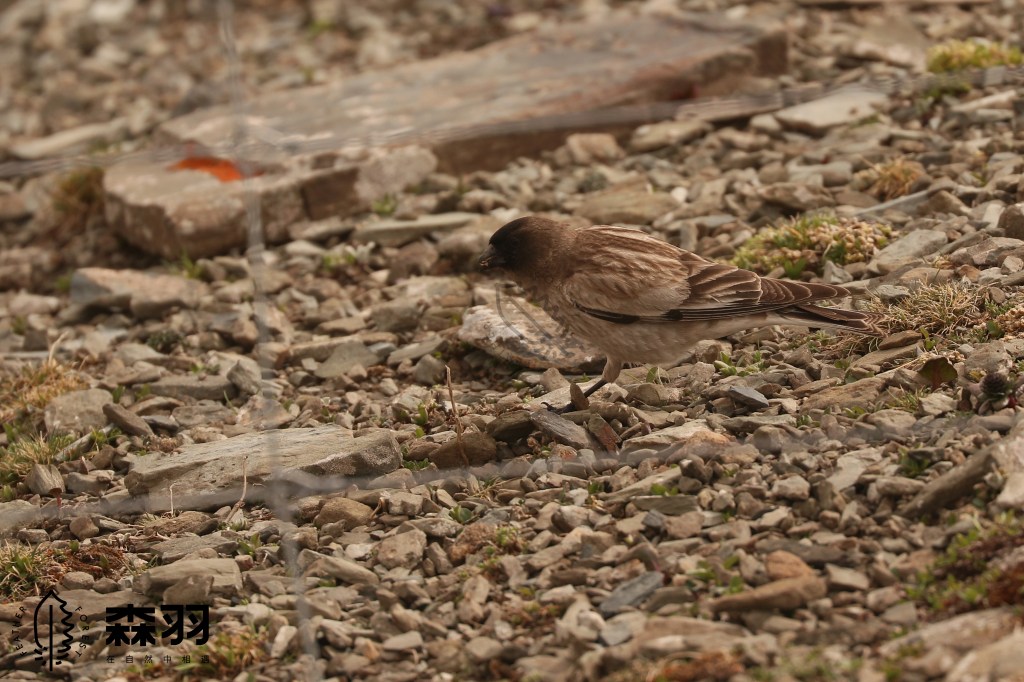
Among the 72 endemic bird species found in mainland China, 37 of them are possible to be found in our Qinghai birding tour.
Located on the center of the Qinghai-Xizang Plateau, the Province of Qinghai boasts an incredibly rich and diverse landscape. Plateaus, high alpines, and basins interlace and unfold across the land, where barren deserts and Gobi wastelands sit side by side with lush wetlands and lakes. This is a place that holds both a world of ice and snow above 4,000 meters, and a paradise for migratory birds.
In the summer, its high altitude seals its cool climate. While cities on the plains are swept by scorching heatwaves, summer in Qinghai lingers at a pleasant ten to twenty degrees Celsius. With crisp, dry air, crystal-clear skies, carpets of vibrant green grasslands, and wild blossoms in full bloom, it serves not only as a natural summer resort but also as a golden corridor for birdwatching and wildlife tracking.
Tour Itinerary
Day 1: Arrival in Xining
Today, we will arrive in Xining, the capital of Qinghai Province, where our group will gather at Xining Caojiapu International Airport. If you require assistance arranging connecting flights to major international airports in China and to Xining, please contact the tour leader in advance. Depending on our arrival times, we may spend the afternoon exploring the city’s parks and surrounding areas in search of local specialties, including Snowy-browed Nuthatch, Plain Laughingthrush, Black Redstart, and Black-rumped Magpie. This will provide a wonderful introduction to the birdlife of the Qinghai region before our adventure into the plateau begins. We will spend the night in Xining.
Day 2: Xining to Datong
In the morning, we will head to Yaozigou Nature Preserve to search for bird species endemic to the Qilian Mountains. This area offers excellent opportunities to observe endemics such as Chinese Thrush, Qilian Bluetail, Przevalski’s Nuthatch, Gansu Leaf Warbler, and Crested Tit-warbler. Other notable species include Chinese White-browed Rosefinch, Gray-headed Bullfinch, Hodgson’s Treecreeper, Chestnut Thrush, and Rufous-breasted Accentor. After lunch, we will explore the eastern slopes of Yaozigou, targeting Yellow-billed Chough, White-throated Dipper, White-throated Redstart, Rosy Pipit, and Tickell’s Leaf Warbler. We will also keep an eye out for the spectacular endemic Blue Eared Pheasant, which we may encounter before dusk. We will spend the night in Huzhu County.
Day 3: Datong to Chaka Salt Lake
After a short morning birding session near Huzhu, we will head west toward Chaka Salt Lake, leaving the Qilian Mountains behind as we approach the shores of Qinghai Lake, China’s largest lake. This scenic journey takes us through breathtaking landscapes of expansive grasslands, rugged mountains, and the shimmering blue waters of the lake. Along the way, we will search for a variety of Qinghai Plateau specialties, including Pallas’s Fish Eagle, Upland Buzzard, Tibetan Lark, Rock Sparrow, Bar-headed Goose, and Tibetan Sand-Plover. We will also explore suitable habitats for other sought-after species, such as Smoky Warbler, Saker Falcon, White-rumped Snowfinch, Black-winged Snowfinch, and Rufous-necked Snowfinch. After a rewarding day of birding and enjoying the spectacular scenery of the Qinghai Plateau, we will continue to Chaka, where we will spend the night.
Day 4: Chaka Salt Lake to Gonghe
In the morning, we will explore a salt lake near Chaka in search of two rare and highly localized species: Tarim Babbler and Przevalski’s Chukar. The surrounding shrublands and grasslands also offer excellent opportunities to encounter Mongolian Ground-Jay, Rufous-tailed Rock-Thrush, Desert Wheatear, and Isabelline Shrike. We will also have a good chance of spotting Goitered Gazelle, a distinctive ungulate adapted to the arid landscapes of Central Asia. In the afternoon, we will travel toward Gonghe along the southern shore of Qinghai Lake, searching for regional specialties such as Brown-headed Gull, Père David’s Snowfinch, Mongolian Lark, Black-necked Crane, and the magnificent Bearded Vulture. Along the way, we may also witness the spectacular seasonal migration of the endemic Qinghai Scaleless Carp, a remarkable natural phenomenon unique to the Qinghai Lake basin. We will spend the night in Gonghe.
Day 5: Gonghe to Xinghai
In the morning, we will explore the area surrounding Longyangxia Reservoir, a vast body of water along the Yellow River, China’s second-longest river. The surrounding arid, Gobi-like landscapes provide excellent habitat for a variety of regional specialties, including Pale Rosefinch, Daurian Partridge, Mongolian Finch, Red-billed Chough, Godlewski’s Bunting, Pied Wheatear, Gray-backed Shrike, Lesser Whitethroat, and Oriental Greenfinch. We will spend the morning searching for these species while enjoying the striking contrast between the reservoir’s blue waters and the rugged, barren hills. In the afternoon, we will continue toward Xinghai County, where we will spend the night and prepare for an exciting search for rare species the following morning.
Day 6: Xinghai to Yushu
In the morning, we will arrive at Ela Pass, home to the exceptionally rare and range-restricted Tibetan Rosefinch. We will carefully search the high-altitude alpine slopes surrounding the pass for this beautiful and elusive species. The area also offers opportunities to encounter several Qinghai Plateau specialties, including Tibetan Snowfinch, Tibetan Snowcock, Black-headed Mountain Finch, and Robin Accentor. After exploring these spectacular alpine habitats, we will continue south toward Yushu City, a journey of approximately five hours through the breathtaking landscapes of the Qinghai Plateau. Along the way, we will have excellent chances of encountering large herds of Kiang (Tibetan Wild Ass) roaming freely across the vast grasslands. We will spend the night in Yushu City.
Day 7: Yushu to Nangqian
In the morning, we will visit an important birding site near Yushu City, the Wencheng Princess Temple. Our targets here are the only endemic species to its own family of China, the Przevalski’s Pinktail. These beautiful pink birds only stay and breed in the Golden Hardhack shrubs of high altitudes. Besides, we will also have the chance to view Tibetan Partridge, Pink-rumped Rosefinch, Little Owl, Salim Ali’s Swift, White-browed Tit, White-backed Thrush, and Red-fronted Rosefinch. In the river near this temple, we may also see the Eurasian River Otter. In the afternoon, we will head towards Nangqen County, for other endemic species on the Kanda Mountain. Our main target species here is the highly restricted Tibetan Bunting. The rare species was restricted only to the mountains around Nangqen and was once considered extincted before rediscovered in the 1990s. We may also have chances to find White Eared-Pheasant, Chinese Rubythroat, and Elliot’s Laughingthrush. After dinner, we will stay in Nangqen for the night.
Day 8: Nangqen
In the morning, we will visit Baizha Forest Farm and Gar Monastery, two excellent birding locations in the Nangqen region. Here, we will have a high chance of encountering the Tibetan Babax, a highly localized species endemic to the region. Thanks to the monks’ deep respect for wildlife, birds and mammals around the monastery are often remarkably approachable, offering exceptional opportunities for observation and photography. We will search for other sought-after Chinese endemics, including Buff-throated Monal-Partridge, Three-banded Rosefinch, Sichuan Tit, and Giant Laughingthrush. Additional species we may encounter include Blood Pheasant, Daurian Jackdaw, Gray-crested Tit, White-browed Tit-warbler, Eurasian Three-toed Woodpecker (the Dark-bodied subspecies endemic to China), Buff-barred Warbler, Slaty-backed Flycatcher, Hodgson’s Redstart, and Streaked Rosefinch. The area surrounding the monastery also provides excellent opportunities to observe large troops of Tibetan Macaques and herds of Bharal (Blue Sheep) against the dramatic mountain scenery. On our return journey, we will continue searching for local specialties, including Giant Gray Shrike. In the evening, we will return to Nangqen for another overnight stay.
Day 9: Nangqen to Yushu
Today marks the conclusion of our Qinghai birding adventure as we make our way back to Yushu Batang Airport. Along the return journey, we will enjoy our final birding opportunities, searching for species such as Himalayan Griffon, Ibisbill, Wallcreeper, Green Sandpiper, Citrine Wagtail, and Snow Pigeon. We plan to arrive at the airport shortly after lunch, allowing time for onward flights. For those joining the optional extension to search for the exceptionally rare Sillem’s Rosefinch near Golmud, we will spend an additional night in Yushu City before departing the following morning for the next stage of our adventure.
Possible extension:
For those hoping to encounter one of the world’s rarest and least-observed birds, the elusive Sillem’s Rosefinch, we offer an optional four-day extension following the conclusion of our main Qinghai tour in Yushu City. We will begin with a 10-hour drive to Golmud City before transferring to a 4WD vehicle to venture into the remote Gobi wilderness of Yeniugou. We will dedicate two full days to searching for and photographing this extraordinary species in its rugged, high-altitude habitat. This extension offers a truly exceptional opportunity to observe one of China’s rarest endemic birds. For further details about this unforgettable birding adventure, please contact the tour leader.
Tour Information
Entering China:
Start City:
End City:
Pace of the Tour
Climate:
Health:
Accomodation:
Food:
Transportation:
Pricing:
What’s Included:
Not Included:
Map
In the morning, we will visit Baizha Forest Farm and Gar Monastery, two excellent birding locations in the Nangqen region. Here, we will have a high chance of encountering the Tibetan Babax, a highly localized species endemic to the region. Thanks to the monks’ deep respect for wildlife, birds and mammals around the monastery are often remarkably approachable, offering exceptional opportunities for observation and photography. We will search for other sought-after Chinese endemics, including Buff-throated Monal-Partridge, Three-banded Rosefinch, Sichuan Tit, and Giant Laughingthrush. Additional species we may encounter include Blood Pheasant, Daurian Jackdaw, Gray-crested Tit, White-browed Tit-warbler, Eurasian Three-toed Woodpecker (the Dark-bodied subspecies endemic to China), Buff-barred Warbler, Slaty-backed Flycatcher, Hodgson’s Redstart, and Streaked Rosefinch. The area surrounding the monastery also provides excellent opportunities to observe large troops of Tibetan Macaques and herds of Bharal (Blue Sheep) against the dramatic mountain scenery. On our return journey, we will continue searching for local specialties, including Giant Gray Shrike. In the evening, we will return to Nangqen for another overnight stay.
Bird List
In the morning, we will visit Baizha Forest Farm and Gar Monastery, two excellent birding locations in the Nangqen region. Here, we will have a high chance of encountering the Tibetan Babax, a highly localized species endemic to the region. Thanks to the monks’ deep respect for wildlife, birds and mammals around the monastery are often remarkably approachable, offering exceptional opportunities for observation and photography. We will search for other sought-after Chinese endemics, including Buff-throated Monal-Partridge, Three-banded Rosefinch, Sichuan Tit, and Giant Laughingthrush. Additional species we may encounter include Blood Pheasant, Daurian Jackdaw, Gray-crested Tit, White-browed Tit-warbler, Eurasian Three-toed Woodpecker (the Dark-bodied subspecies endemic to China), Buff-barred Warbler, Slaty-backed Flycatcher, Hodgson’s Redstart, and Streaked Rosefinch. The area surrounding the monastery also provides excellent opportunities to observe large troops of Tibetan Macaques and herds of Bharal (Blue Sheep) against the dramatic mountain scenery. On our return journey, we will continue searching for local specialties, including Giant Gray Shrike. In the evening, we will return to Nangqen for another overnight stay.

